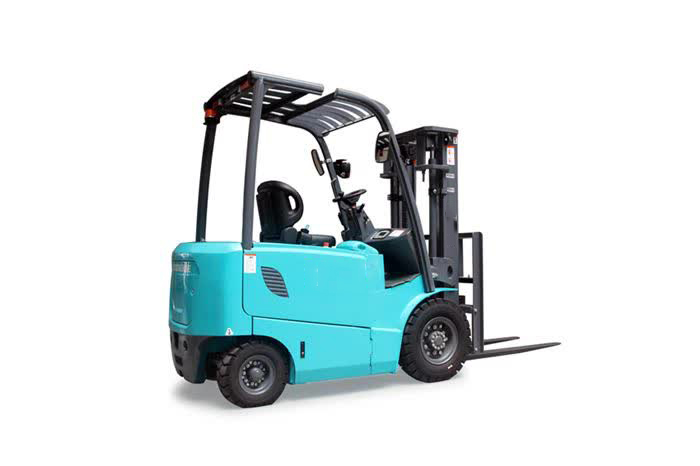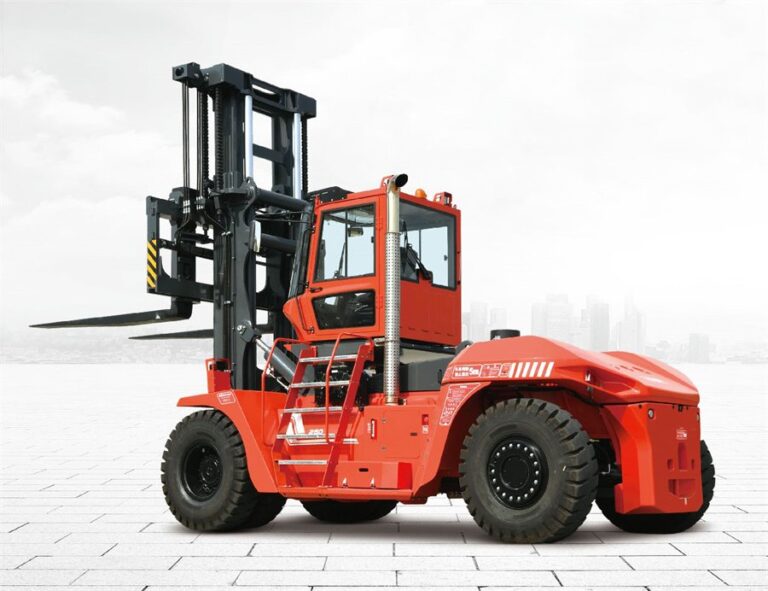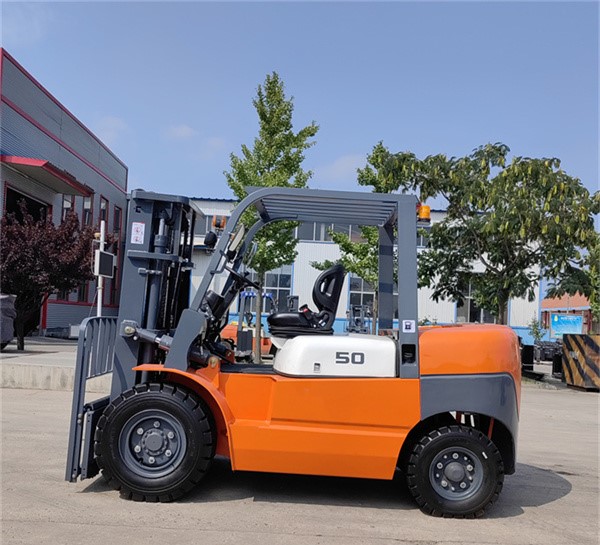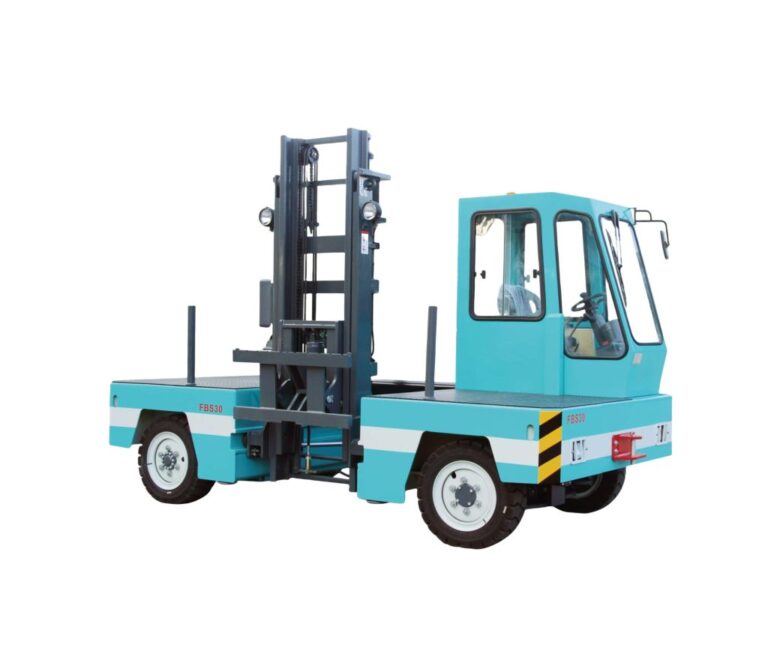
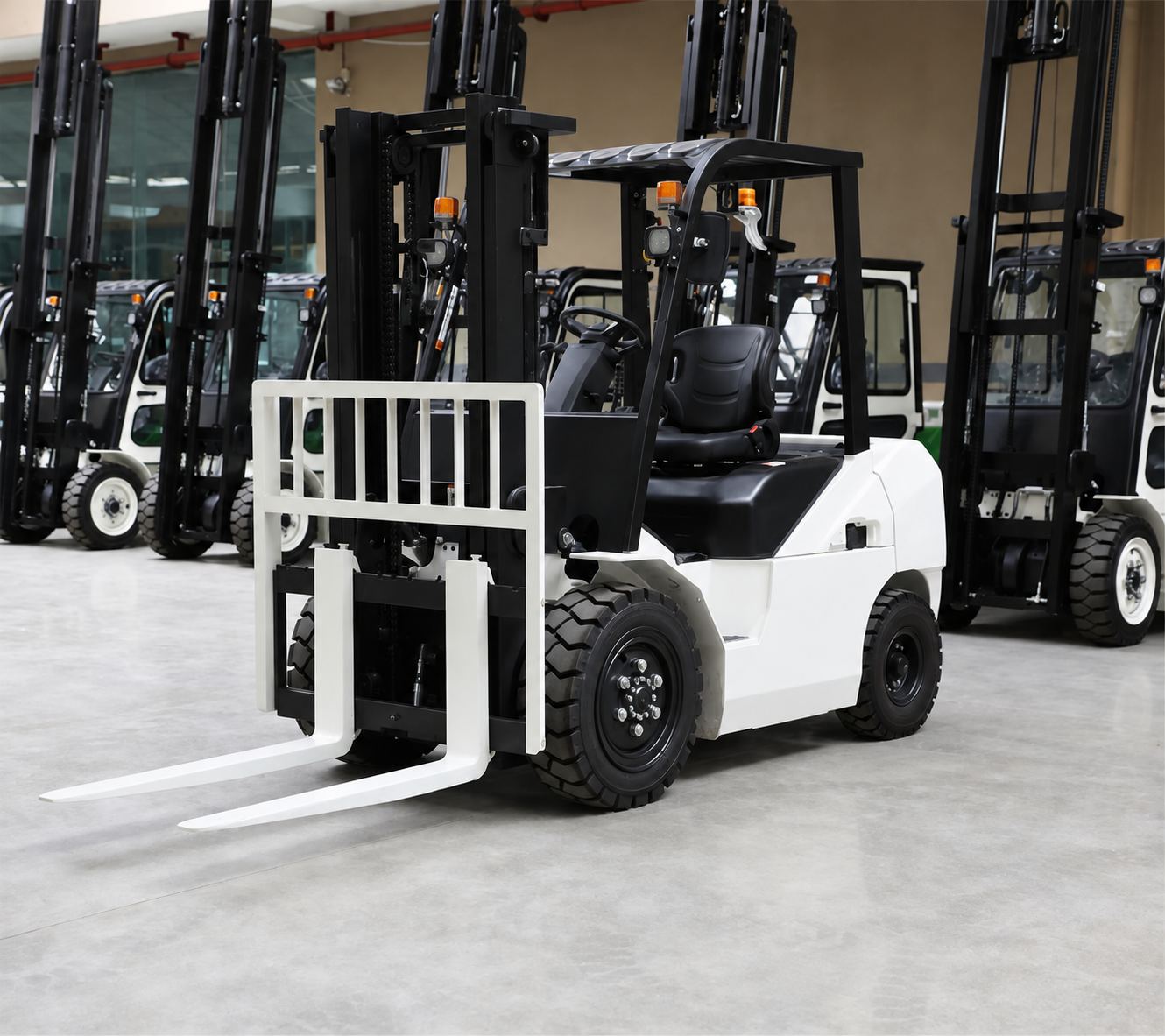
Choosing Forklift tires for forklifts begins with the surface on which it is to operate, the load, the distance travelled, the speed of travel, and the presence of hazards. Cushion tires work best on smooth indoor floors and in narrow passageways. Pneumatic tires provide a smoother ride and greater traction for outdoor use. The heavier solid pneumatic tire provides resistance to punctures but adds weight, heat, and vibration.
Why Forklift Tires Affect More Than Traction
The tires of forklifts support the weight of the truck itself, load, mast, and counterbalance. They are also responsible for cushioning shock, affecting the brake system, setting up the ground clearance, and transmitting vibrations to the chassis and driver’s seat. Poor tire selection will wear out the tires sooner and make driving a forklift exhausting even for eight hours.
A truck crossing smooth epoxy flooring has little in common with one travelling over gravel, steel scrap, wet timber yards, or broken concrete. The tire specification must follow the route.
Main Forklift Tire Types
| Tire type | Best fit | Main advantage | Main limitation |
| Cushion | Smooth indoor floors | Small turning radius and stable low profile | Poor on rough ground and obstacles |
| Air pneumatic | Outdoor yards and uneven surfaces | Shock absorption and traction | Puncture and pressure-maintenance risk |
| Solid pneumatic | Debris, heavy loads, mixed yards | High puncture resistance | More vibration, heat, weight, and cost |
| Polyurethane | Light warehouse equipment | Low rolling resistance | Limited comfort and rough-floor tolerance |
Cushion Tires for Smooth Indoor Floors
Solid cushion tires consist of solid rubber that is fitted around a metal hoop. The smaller diameter of these tires will make it easier for the truck to turn, and thus they are suitable for maneuvering in narrow warehouses.
Small floor defects matter. Expansion joints, dock plates, drain channels, and broken concrete create repeated impacts. A cushion-tire truck crossing those points hundreds of times per shift may transmit sharp shocks to the mast, load, and operator.
Choose cushion tires when the route is level, clean, and mostly indoors. Do not choose them simply because the truck fits the aisle on paper; ground clearance and floor condition still need inspection.
Air Pneumatic Tires for Outdoor Grip
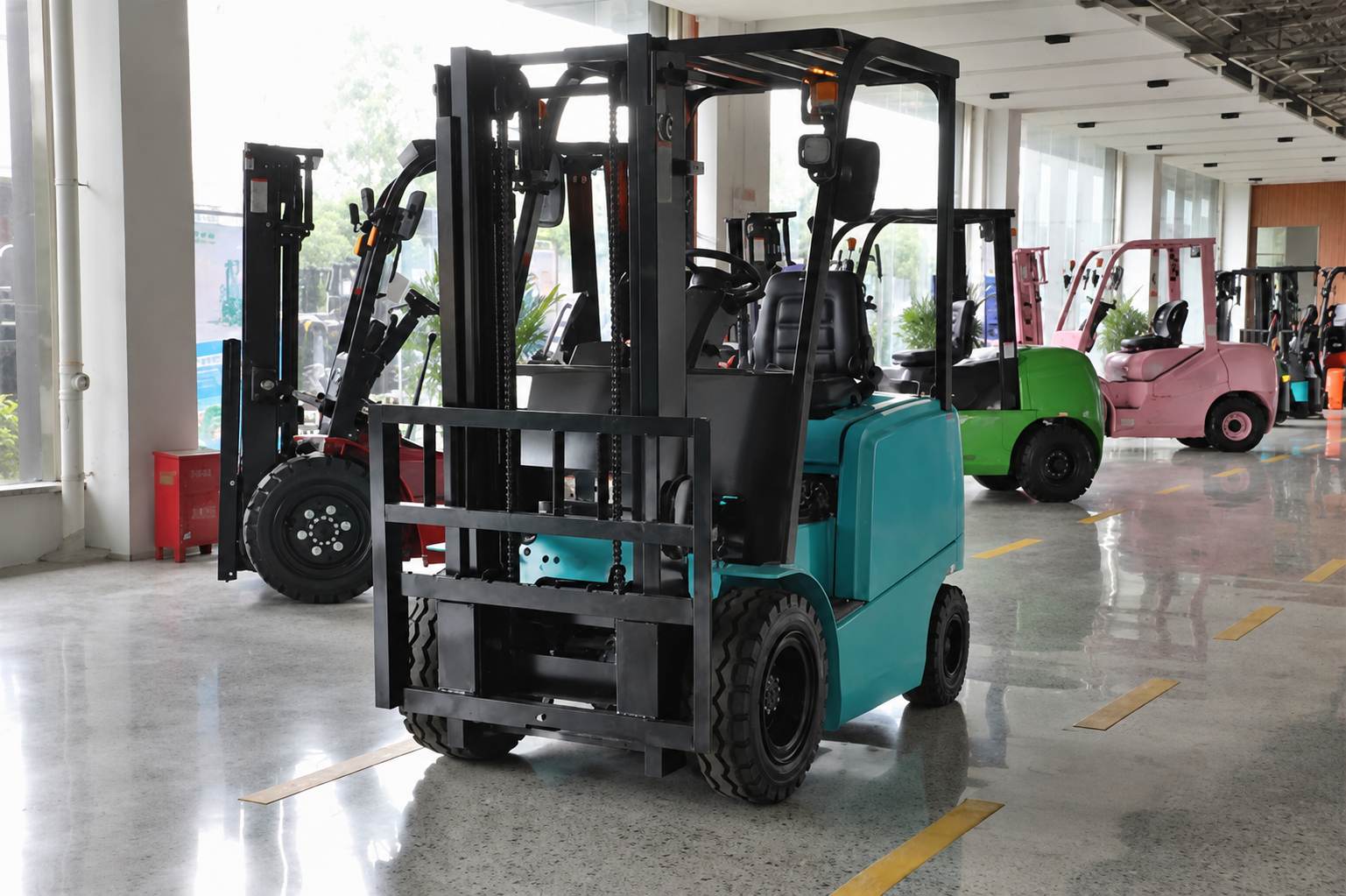
Air-filled pneumatic tires flex around stones and surface changes. They can provide a smoother ride on gravel, compacted soil, yard asphalt, and uneven loading areas. Their tread also supports traction in outdoor work.
Pressure is part of the specification. Underinflation builds heat and makes steering less precise. Overinflation reduces the contact patch and shock absorption. Daily checks should look for pressure loss, cuts, exposed cords, embedded objects, and sidewall damage.
An air tire can puncture. Sites with nails, sharp metal, broken pallets, or demolition debris should weigh comfort against downtime risk.
ال rough terrain forklift category is relevant where surface condition, ground clearance, and traction go beyond the limits of a standard warehouse truck.
Solid Pneumatic Tires for Debris and Heavy Work
Solid pneumatic tires have the shape and tread of outdoor tires without an air chamber. They cannot suffer a conventional puncture. That makes them useful in recycling yards, metal plants, timber sites, ports, and construction-material operations.
They are not maintenance-free. Solid tires wear, chunk, flat-spot, and build heat. A heavy truck running long distances at speed can generate enough heat to shorten tire life. The firmer ride also sends more vibration into the truck and load.
Polyurethane Tires for Warehouse Equipment
Polyurethane wheels appear on pallet trucks, stackers, and other warehouse equipment. They roll efficiently on smooth floors and resist some types of wear. Hardness and wheel material affect noise, grip, rolling resistance, and floor marking.
They will prove to be inadequate for concrete damage or outdoor waste. With a smaller wheel, there is a deeper penetration into joints and holes that create impact forces that would otherwise be absorbed by larger pneumatic tires.
Those seeking indoor options can consider their warehousing solutions after analyzing floor joints, ramp changes, distance traveled, and payload weight.
How to Choose Forklift Tires by Worksite
Different surfaces create different demands on forklift tires. The following examples show how floor conditions and daily operating patterns influence the best tire selection.
Smooth Warehouse Concrete
Cushion or suitable solid tires usually fit clean, level floors. Check aisle width, floor-marking requirements, noise, and dock transitions. A non-marking compound may be requested in food, pharmaceutical, or retail facilities, but it still needs the right load and heat rating.
Gravel and Compacted Yards
Pneumatic-style tires provide superior ride and grip. Make sure to confirm that the ground clearance will be sufficient and do not make the mistake of thinking that air-filled tires will turn your forklift into a rough terrain vehicle.
Steel Mills and Recycling Sites
The risk of punctures tends to make the choice favor solid pneumatic tires. Issues of heat, sharp objects, weight, and distance traveled need to be addressed with the tire and truck manufacturers. The issue of housekeeping remains relevant; solid tires offer protection from punctures, not from impacts with scrap.
Cold Stores and Wet Areas
Check compound performance at the operating temperature and the need for wet traction. Condensation at doorways can create slippery transition zones. Tires must be paired with controlled speed and floor maintenance.
Load, Speed, and Heat Must Be Checked Together
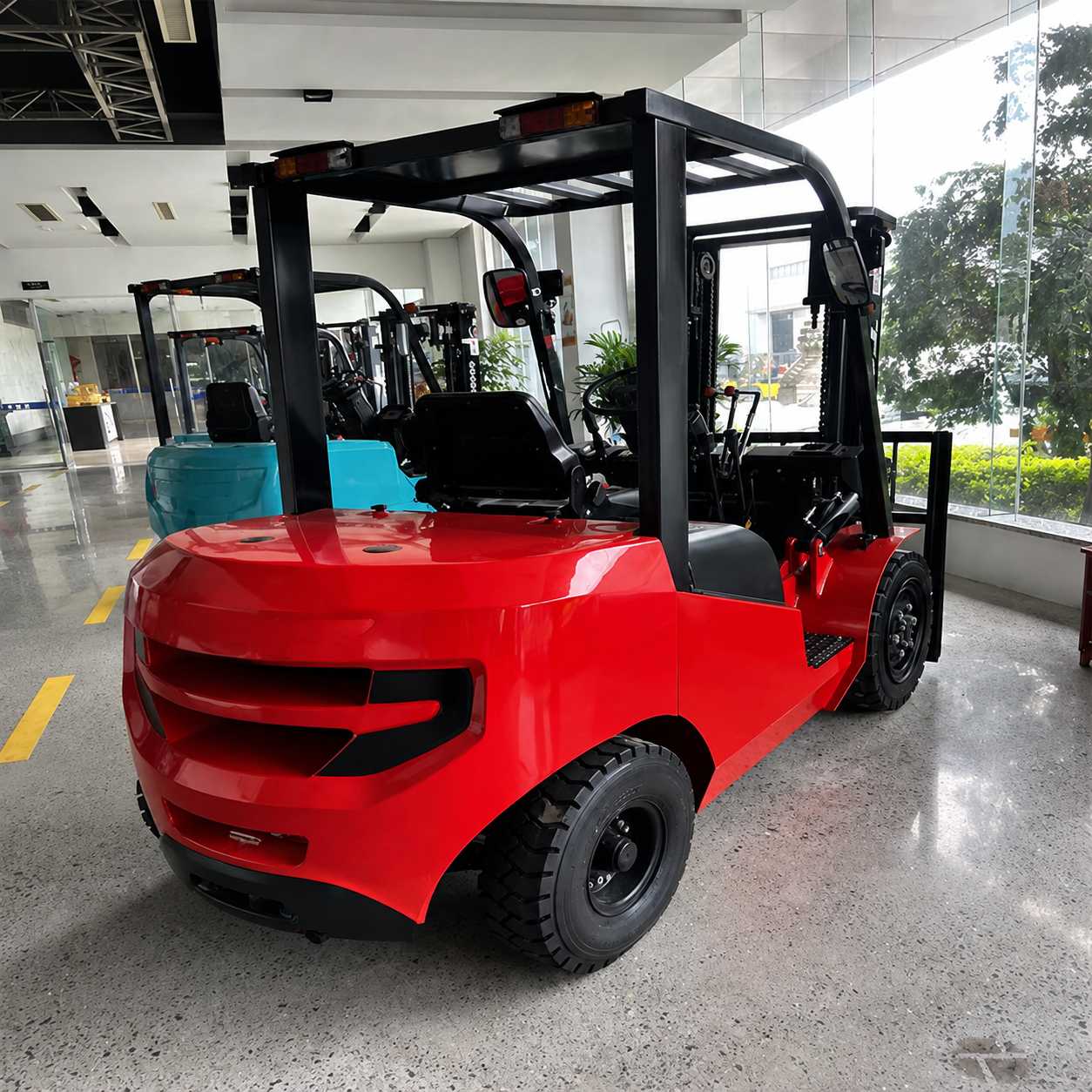
Tire capacity is not based on load alone. Long runs, frequent turns, high travel speed, and hot floors increase heat. A truck moving pallets 40 metres at a time creates a different duty cycle from one travelling 400 metres between buildings.
Record the heaviest axle load, average travel distance, maximum speed, running minutes per hour, and ambient temperature. For multi-shift work, include cooling time. A tire that survives one shift may overheat during continuous operation.
Signs Forklift Tires Need Attention
• Chunking, deep cuts, or material separating from the band
• Flat spots that cause rhythmic vibration
• Uneven wear across the tread
• Cracks, exposed cords, or sidewall bulges
• Loss of tread beyond the maker’s wear line
• Steering pull or a change in braking feel
• Repeated pressure loss on pneumatic tires
Do not wait for a tire to fail during a loaded run. Inspection frequency should reflect hours, surface damage, debris, and shift pattern.
Common Forklift Tire Buying Mistakes
Among the common purchasing mistakes, incorrect tire combinations require special attention because tire specifications directly influence forklift stability, handling, and overall operating safety. Always confirm compatibility before making changes.
Mixing Tire Types Without Approval
Different tire diameters or constructions can change handling, braking, mast angle, and stability. Fit the approved type and size on each axle and follow the truck supplier’s instructions.
Choosing Only by Purchase Price
Track installed cost per operating hour. Include fitting, press work, downtime, replacement frequency, and damage caused by vibration or poor traction.
Ignoring the Worst Part of the Route
A route that is 90 percent smooth still needs tires that can handle the broken dock edge, gravel crossing, or steel threshold used every trip.
Treating Non-Marking as a Complete Specification
Non-marking describes a compound property, not capacity, heat resistance, ride, or surface suitability. Confirm the full duty rating.
حول رافعة شوكية JinChengYu
رافعة شوكية جينتشنغيو is based in Qingdao, China, and supplies الرافعات الشوكية, warehouse equipment, ground support equipment, attachments, and spare parts to overseas customers. Its stated services include sales, after-sales support, rental, mixed orders, and pre-shipment inspection. Buyers can review the company background and send surface, load, and shift details through the صفحة الاتصال.
خاتمة
Forklift tires should match the hardest part of the duty cycle. Cushion tires fit smooth indoor floors; pneumatic tires improve outdoor ride and grip; solid pneumatic tires reduce puncture downtime in debris-prone areas; polyurethane wheels suit lighter warehouse equipment. Check load, speed, heat, floor damage, and travel distance together before ordering.
الأسئلة الشائعة
What are some common types of forklift tires?
Cushion tires, air pneumatic tires, solid pneumatic tires, and polyurethane tires are the most common types of forklift tires.
Which is better? Are solid tires better than pneumatic tires?
Solid tires will not be punctured while air pneumatic tires will give a smoother ride. Solid tires would be a safer bet in the presence of debris and rough terrain.
Can cushion tires be used outdoors?
These tires can operate in outdoor environments on a flat, clean paved surface, but they are not good enough for operations on gravel roads, potholes, mud, and uneven ground. The ground clearance must be considered and the correct truck setup.
How frequently should forklift tires be inspected?
Tire inspection must be part of the operator’s pre-use inspection procedure. A detailed inspection must follow the usage time, site conditions, shift duration, and the recommendations from tire manufacturer.
When should forklift tires be replaced?
Tires need replacement when the stated wear limit or any cuts, chunks, separation, exposed cords, bulges, bad flat spots, and other damage is present. Tread wear is not enough reason for replacement.