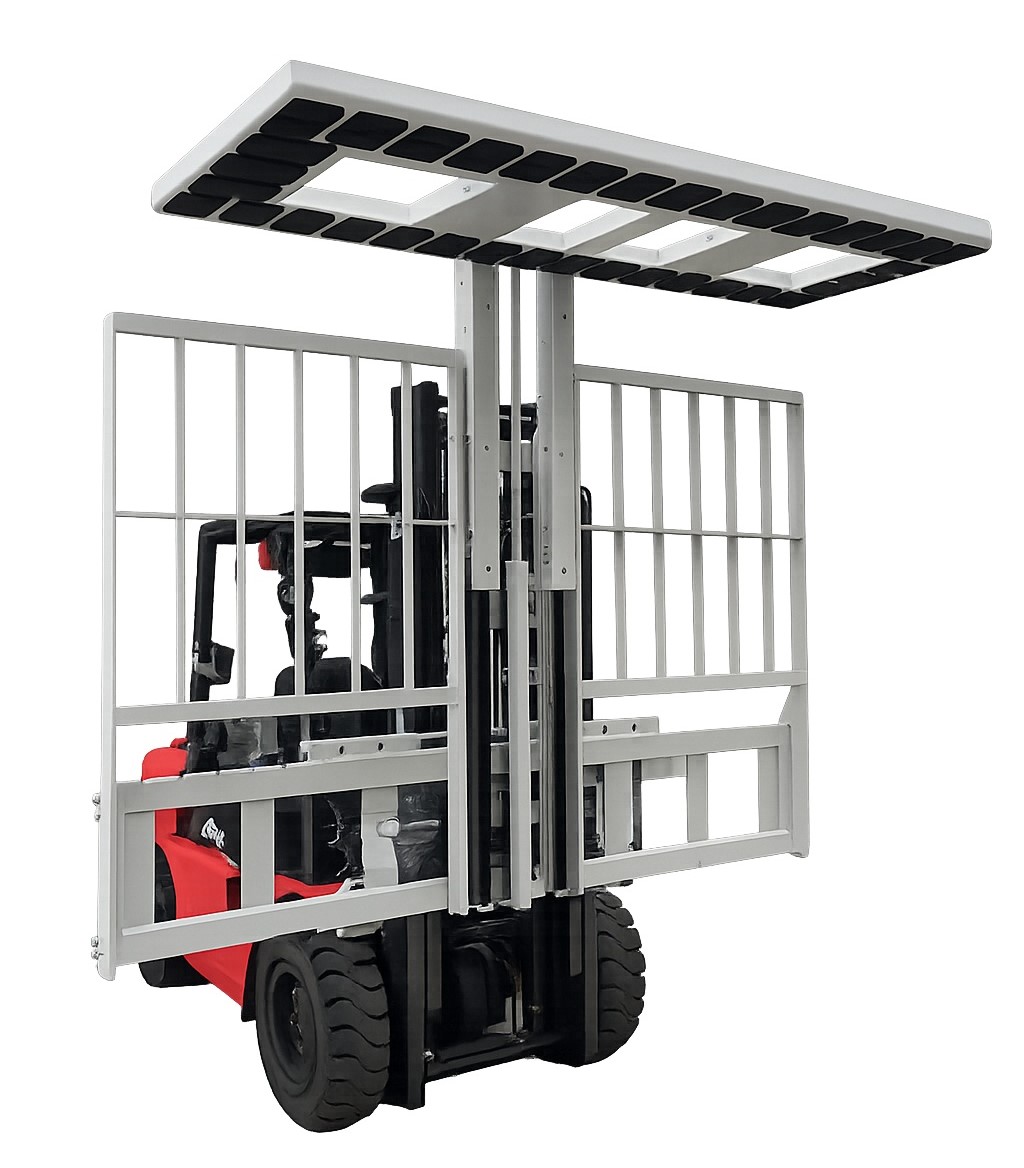
The damaged box at the receiving dock goes beyond being a problem with the packaging. This could lead to dented panels on the refrigerator, broken housing cases, rejection of the shipment, and wasted time separating goods that could have been put straight into storage. For appliance distributors, retail warehouses, 3PL operations, and exporters of cartoned cargo, how the forklift carton clamp picks up the load is what will determine the fate of their shipment.
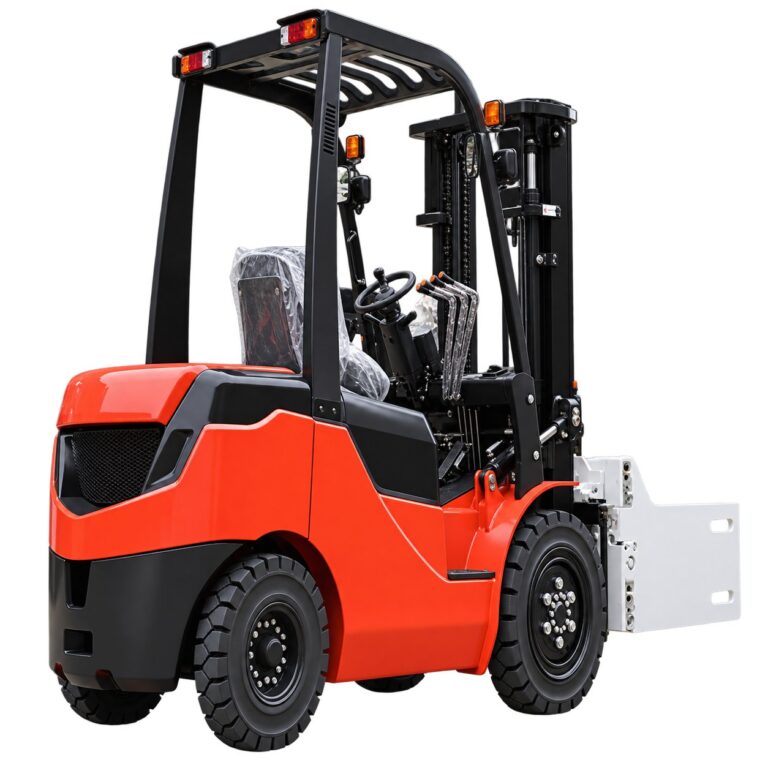
A forklift carton clamp is designed to handle cargo without using the pallets. Rather than placing the forks below the pallet, the forklift carton clamp clamps onto large cartons or rectangular goods using two wide clamp arms.
Why Cartons and Appliances Get Damaged During Clamp Handling
Most carton damage starts with a simple mismatch: the clamp force does not match the load. Appliance cartons are large, but they are not always strong. A refrigerator carton may have reinforced corners and foam blocks inside. A washing machine carton may carry weight near the base. An air conditioner carton may have a stronger side panel on one face and weaker board on another.
Too much pressure crushes the carton
Over-clamping pushes corrugated board beyond its strength. The outside may only show a crease, but the inside product can take the force through foam, film, or cardboard supports. This often happens when operators use one setting for every carton size.
Too little pressure creates slipping
Under-clamping has a different failure pattern. The box slides during lifting, drops several inches, or shifts during a turn. The final damage may look like impact damage, but the root cause was low clamp pressure.
Poor contact spreads damage unevenly
A carton clamp should press across the widest stable faces of the carton. If the arms sit too high, too low, or off-center, the load can twist. Dirty or worn pads make the operator add more force just to keep the box from moving.
How to Set Forklift Carton Clamp Pressure
There is no universal carton clamp pressure for every appliance or boxed product. The right setting depends on carton strength, product weight, internal packing, humidity, clamp pad area, and travel distance. A practical setup starts with testing, not guessing.
Start with the product, not the machine
Before setting hydraulic pressure, check board grade, corner protection, product orientation marks, center of gravity marks, and any “do not clamp” zones. A tall refrigerator carton behaves differently from two stacked microwave cartons, even if the total weight looks similar.
A useful warehouse rule is simple: start at the lowest pressure that prevents slipping during a short, low-height test lift. Raise the load only 100–150 mm at first. Hold it for a few seconds, then travel slowly for a short distance. If the carton slides, increase pressure step by step. If the carton wall buckles, reduce pressure or change pad position.
| Load condition | Handling risk | Practical response |
| Tall appliance carton | Side wall crush or sway | Clamp near the strongest side area and travel slowly |
| Heavy boxed goods | Slipping during lift | Use high-friction pads and test at low height |
| Thin corrugated carton | Surface creasing | Reduce clamp force and increase contact area |
| Mixed carton sizes | Wrong pressure setting | Record pressure by product family |
Record settings for repeat work
Warehouses that handle the same products every day should not rely on memory. A pressure card near the dock or a simple product-family chart can reduce operator variation. Separate rules for refrigerators, washing machines, air conditioners, electronics, furniture cartons, and beverage boxes make damage control easier to repeat.
Choose Clamp Pads and Contact Surfaces Carefully
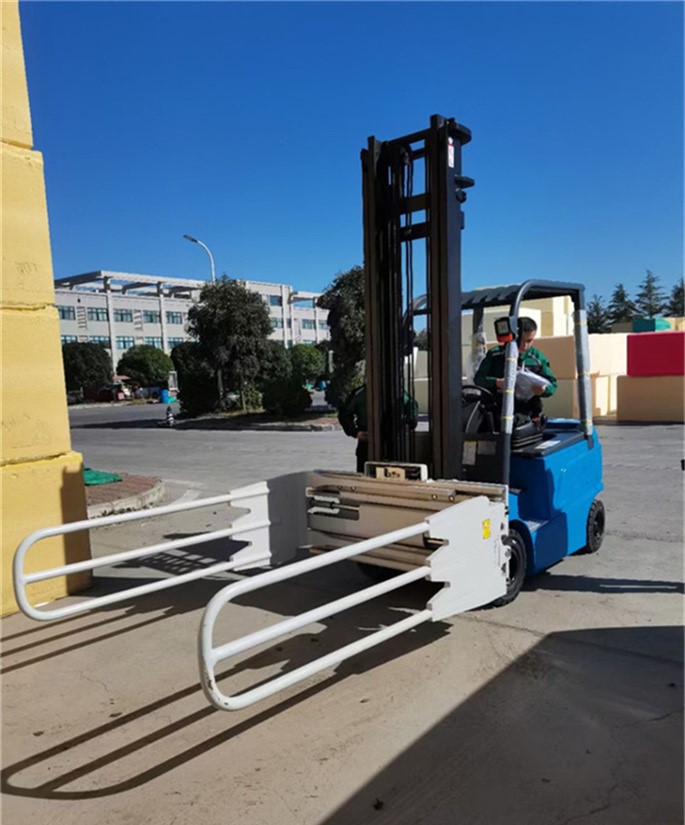
Clamp pads are small parts, but they do much of the real damage prevention work. The best pad surface gives enough friction without cutting, marking, or concentrating force on the carton.
Non-marking pads protect retail packaging
Appliance cartons often arrive at stores or export customers in customer-facing packaging. Non-marking, high-friction rubber pads help the clamp hold the box without tearing or staining the surface. Smooth steel arms should not touch fragile cartons unless the packaging has been tested for that contact.
Pad wear changes pressure needs
A worn pad makes the load feel slippery. Operators may respond by clamping harder. That hides the pad problem and creates a carton damage problem. Pads should be checked for cuts, hardening, oil, dust, missing sections, and uneven thickness.
A daily clamp pad check should include:
- Wipe dust, oil, and loose cardboard from pad surfaces.
- Check both arms for even pad height and secure fixing.
- Replace pads that are cracked, smooth, torn, or deeply grooved.
- Test the opening and closing movement before the first live load.
- Report any hydraulic leak, uneven arm speed, or abnormal noise.
Safe Handling Steps for Appliance Cartons
A strong clamp and correct pressure still need good driving habits. Appliance damage often happens in the last few meters: near the rack, inside a truck, or while setting the carton down beside another load.
Before clamping
Inspect the carton for wet board, broken straps, crushed corners, leaning shape, or loose internal movement. Do not clamp across torn panels if a stronger face is available. Align the forklift square to the load and keep the mast close to vertical before closing the arms.
During lifting and travel
Clamp at the planned contact zone, lift only slightly, and pause. This shows whether the load is stable. Keep the carton low while traveling. Avoid fast turns, sudden stops, and raised-load driving. In narrow aisles, side shifting helps place the load without repeated forklift repositioning, but it should be used gently.
When placing the load
Set the carton down fully before releasing pressure. Opening the clamp too early can let the box lean or drag against the floor. Do not pull a carton sideways with one clamp arm. If the load is misaligned, reposition the forklift rather than scraping the carton into place.
Forklift Capacity and Operator Training Matter
Adding a forklift clamp attachment changes truck behavior. The attachment adds weight. It also moves the load center forward. That means working capacity with a carton clamp may be lower than fork-only capacity.
Check the rated combination
Operators should read the truck nameplate and attachment rating before work starts. The combined load, attachment weight, lifting height, and load center must fit the rated limits. Tall appliance cartons can shift the center of gravity, especially when the heavy component sits at the bottom or one side.
Train for clamp work, not just forklift driving
A skilled forklift driver still needs carton clamp training. Clamp work adds pressure control, pad contact, side force, and product sensitivity. Training should cover test lifts, pressure adjustment, travel speed, pad checks, and what to do when a load begins to slip.
Common Mistakes That Cause Carton and Appliance Damage
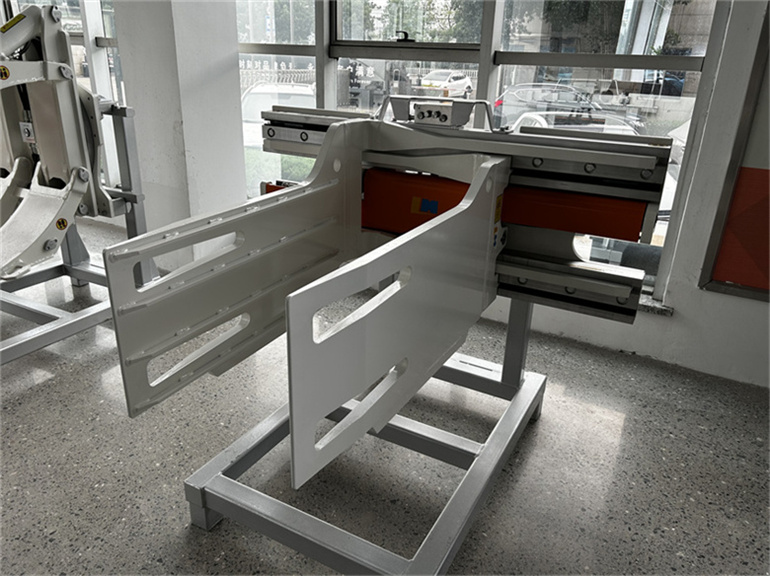
The same mistakes show up across appliance warehouses and boxed-goods distribution centers. They are easy to miss during busy shifts because the load may move fast, but damage appears later.
Using one pressure for every load
A carton clamp for refrigerators and washing machines should not be treated like a general squeeze tool. Product weight, carton board, and internal support are different.
Ignoring moisture
Wet corrugated board loses strength. Cartons stored near dock doors, rain splash, or humid containers may need lower pressure, extra inspection, or a different handling plan.
Clamping off-center
An off-center clamp creates twisting force. It also makes the driver compensate with more pressure. Centering the clamp arms is one of the simplest ways to prevent carton damage.
JinChengYu FORKLIFT as a Forklift Carton Clamp Supplier
Chariot élévateur JinChengYu supplies material handling equipment from Qingdao, with product categories covering forklifts, warehouse handling equipment, ground support equipment, attachments, and spare parts for overseas customers. Its forklift carton clamp is designed for palletless handling of large cartons, boxed goods, and rectangular loads used in warehousing, appliance distribution, retail storage, consumer goods, and beverage logistics.
The carton clamp uses wide flat arms, hydraulic operation from the forklift cabin, non-marking high-friction pads, adjustable or interchangeable pad options, and side-shifting capability on suitable configurations. Wide contact helps spread pressure, hydraulic control gives the driver better grip control, and side shifting improves placement in narrow spaces. For buyers handling appliance cartons, packaged goods, or mixed warehouse loads, JinChengYu FORKLIFT can match the clamp with the right forklift type, capacity range, and attachment configuration.
Conclusion
The prevention of damage to cartons and appliances is not about tighter clamps. It requires the combination of pressure on the clamp, surface of the pad, center of gravity of the load, operating expertise, and regular maintenance to the specific carton being moved by the forklift. The proper selection of the forklift carton clamp will reduce the use of pallets, accelerate the warehouse flow, and keep boxes safe; however, only if the pressure is regulated and the procedures of handling remain uniform.
FAQ
Can a forklift carton clamp handle refrigerators and washing machines?
Yes, when carton design, clamp pressure, pad contact, and forklift capacity are suitable for the appliance.
How do you prevent carton damage with a forklift clamp?
Use the right clamp pad, center the arms, set pressure by product type, start with a low-height test lift, travel slowly, and inspect pads before regular handling.
Does a forklift clamp attachment reduce forklift capacity?
Yes. A clamp adds weight and changes the load center, so the truck and attachment should be rated as one handling combination.