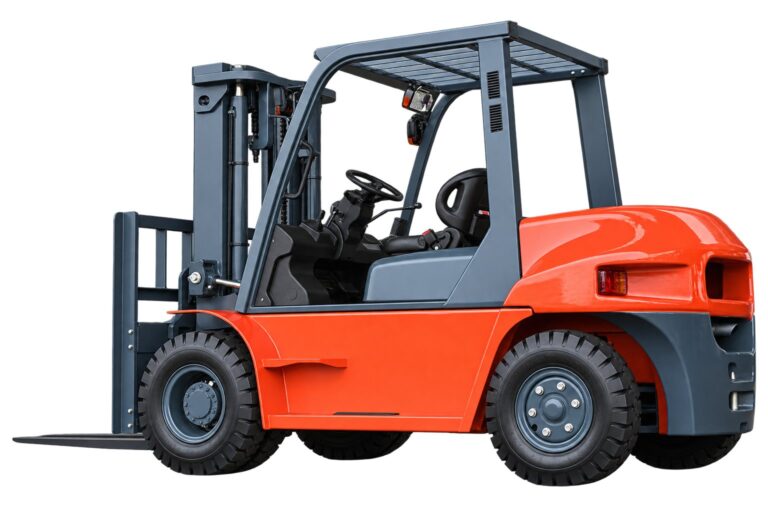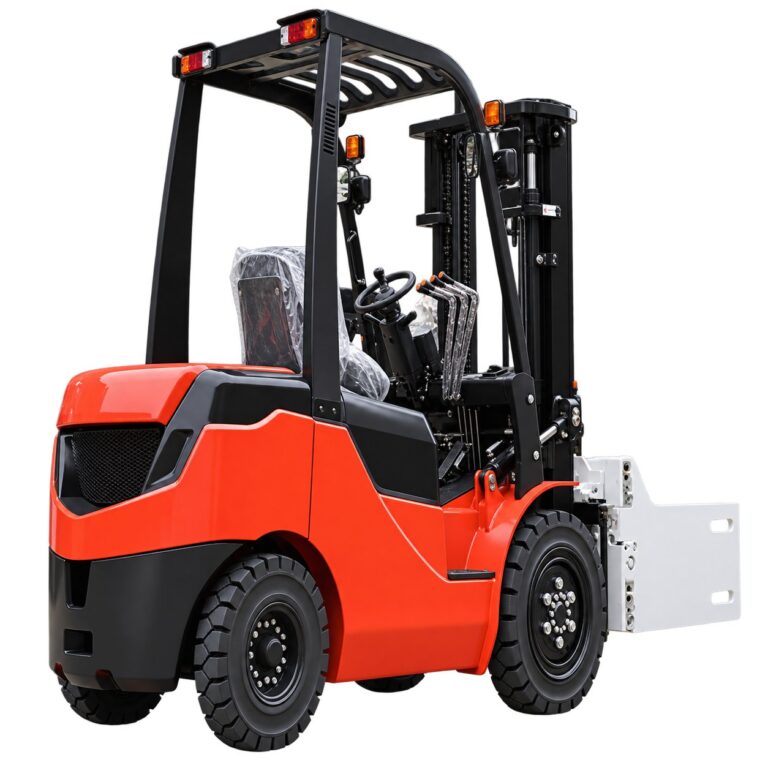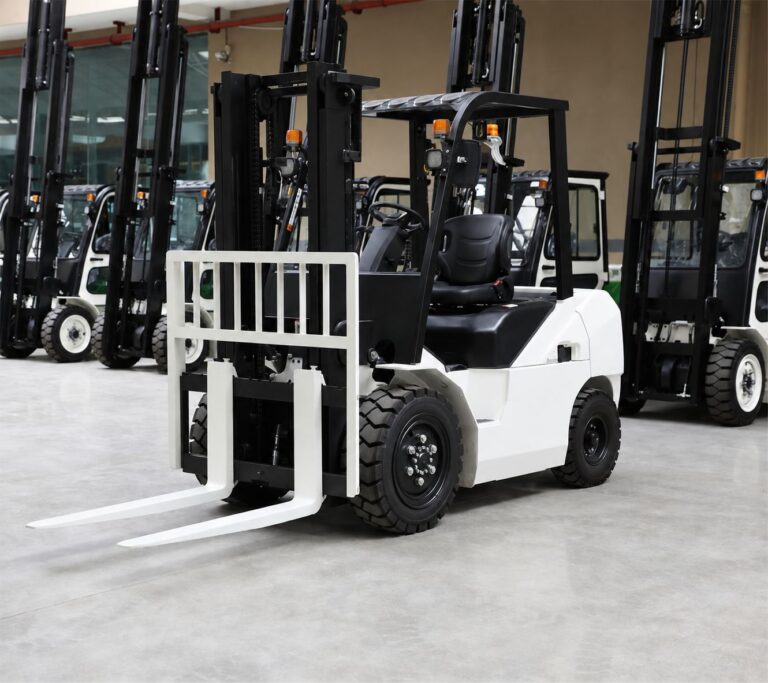
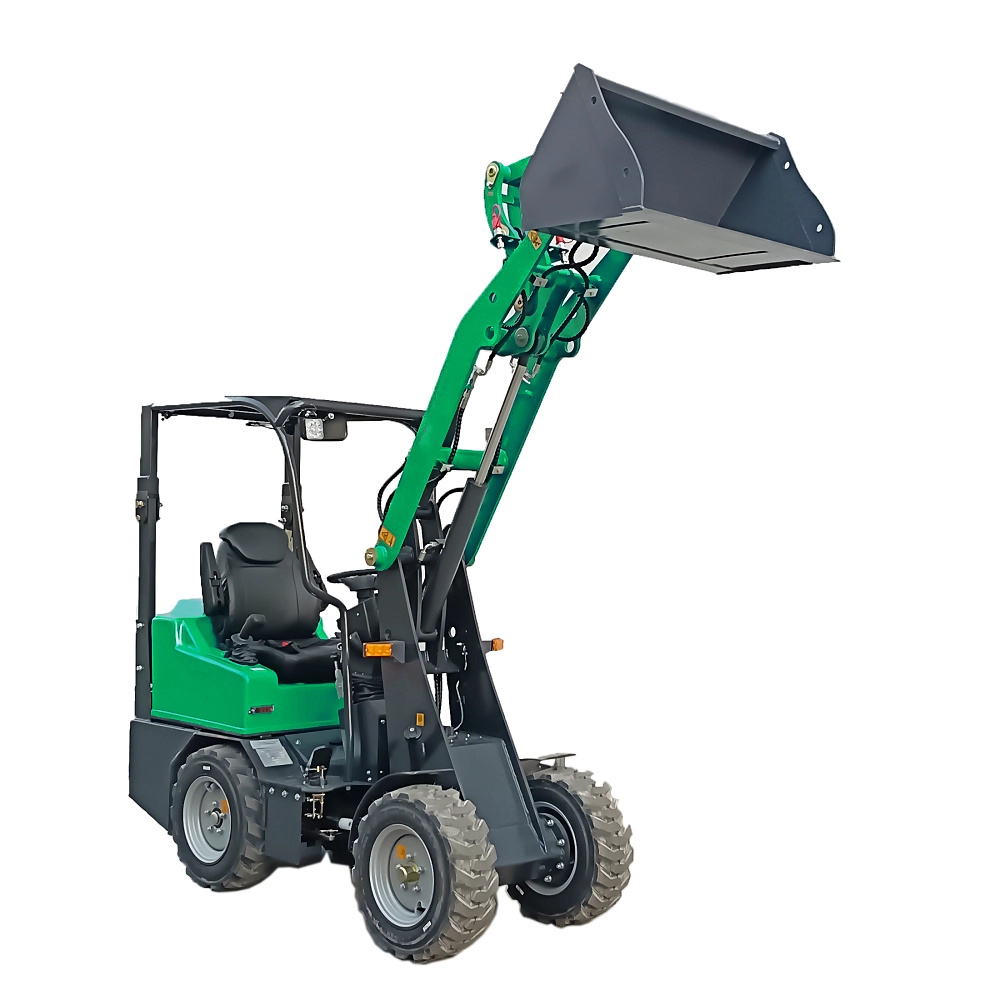
Una cargadora de ruedas generates income from working and not when it is idle. The correct attachment can transform a single power source into a load-lifting unit, a pallet fork, a brush cutting mechanism, snow blower, or drill. This is significant for construction companies, farms, landscapers, and property owners who require more productivity.
The best wheel loader attachments match regular work, fit correctly, and save more than they cost on real projects.
Why Wheel Loader Attachment ROI Matters
Cargadora de ruedas attachment ROI is broader than purchase price. A useful tool may cut labor, replace rented equipment, or open a new paid service. It can also keep a loader busy outside its main season.
Include hydraulic hoses, cutting edges, and inspections in the calculation. An attachment used weekly may justify ownership. A specialized tool needed twice a year may be cheaper to rent.
Ask four questions: How often will it work? What cost will it remove? What revenue can it add? Can the loader run it safely?
Five Jobs From One Loader
Each job places different loads on the boom, hydraulics, tires, and quick coupler. Match the attachment to the material, ground, lift height, and daily cycle.
Buckets for Loading, Grading, and Bulk Material
The bucket is the most common wheel loader attachment because it covers digging, loading, backfilling, grading, and carrying. Yet one bucket cannot handle every material well.
A general-purpose bucket suits soil, sand, gravel, and mixed site material. A rock bucket adds wear protection for broken stone or demolition debris. A light-material bucket gives more volume for grain, compost, mulch, fertilizer, or snow.
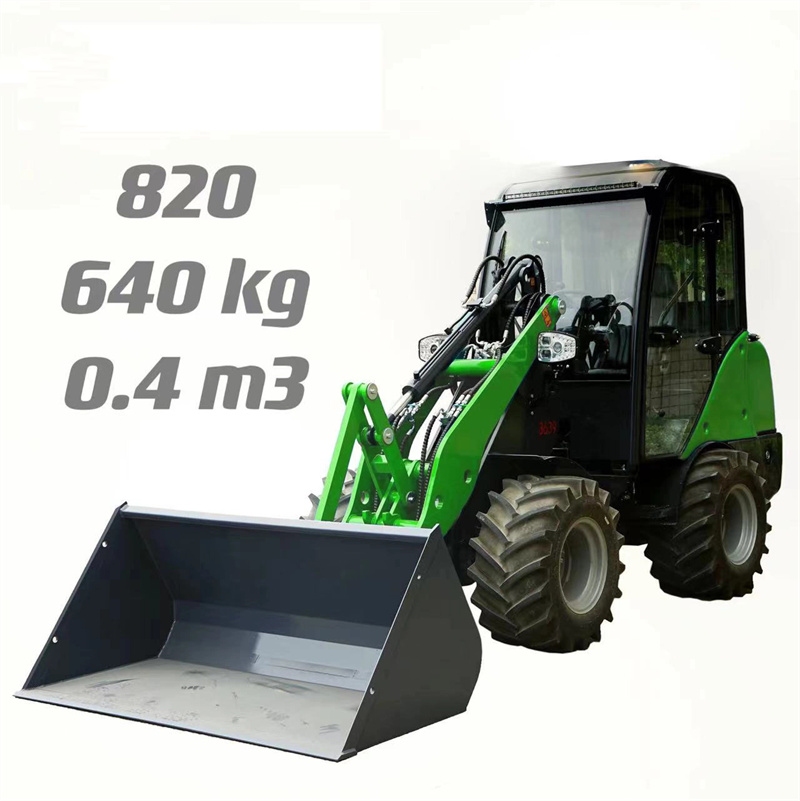
Wheel loader bucket capacity must be checked against material density. Dry mulch may stay within the rated load, while the same volume of wet sand may overload the machine.
Pallet Forks for Outdoor Material Handling
Pallet forks turn a loader into a material-handling machine on yards, farms, and construction sites. Typical loads include bricks, bagged seed, fertilizer, timber, fencing supplies, and palletized equipment.
Maximum lift capacity is only part of the decision. A load carried forward places more force on the machine than the same weight held close to the carriage. Operators also need a clear view of the fork tips and enough lift height.
Pallet forks for wheel loaders reduce hand unloading and repeated transfers.
Grapples for Brush, Logs, and Debris
Branches, roots, logs, scrap, rocks, and demolition waste are difficult to hold in a standard bucket. A wheel loader grapple attachment secures uneven material, reduces dropped loads, and makes sorting more controlled.
A root grapple suits brush clearing and storm cleanup. A grapple bucket holds smaller debris. Log grapples are shaped for timber, while heavier designs suit recycling and demolition.
Grapples need an auxiliary hydraulic circuit, suitable flow, and protected hoses. Their weight also reduces the remaining payload.
Snow Tools for Winter Work
Snow removal can keep a loader earning during a slow season. The correct tool depends on where the snow must go.
A snow bucket lifts snow into trucks. A snow push moves volume in straight passes. A wheel loader snow plow follows roads and irregular edges. A snow blower suits narrow routes where snow must be thrown aside.
Compare local snowfall, contract pricing, storage, surface type, and the number of sites reachable during one event. Seasonal tools pay only where dependable winter demand exists.
Augers for Trees, Posts, and Site Holes
The auger for a wheel loader machine eliminates manual labor for digging holes for trees, fence posts, signs, and light foundations. It is applicable in orchards, nurseries, farms, landscaping and other rural applications.
Auger choice starts with hole diameter, depth, soil type, hydraulic flow, and torque. Loose soil needs less torque than compacted clay or stony ground. Bit design also changes performance.
A compact loader with auger capability can carry supplies, drill holes, and return to bucket or fork duties through a quick-change system.
How to Calculate Attachment ROI
A simple calculation keeps the purchase tied to real work.
Attachment ROI (%) = Annual net benefit ÷ Purchase cost × 100
Annual net benefit includes labor savings, avoided rental, added gross profit, and transport savings, minus maintenance and financing costs.
| Cost or benefit | Sample annual figure |
| Labor saved | $3,520 |
| Avoided rental | $2,800 |
| Added maintenance | -$400 |
| Annual net benefit | $5,920 |
| Purchase cost | $4,800 |
In this sample, the payback period is about 9.7 months. Replace the figures with local wages, rental rates, workload, fuel, and pricing.
Should an Attachment Be Bought or Rented?
Buying makes sense when the tool has steady work, rental supply is unreliable, and the payback fits the investment target. Renting can be better for a one-off contract, short season, or uncertain demand.
Track rental days for 12 months. When rental, delivery, collection, and downtime approach ownership cost, purchasing deserves a closer look.
Check Compatibility Before Ordering
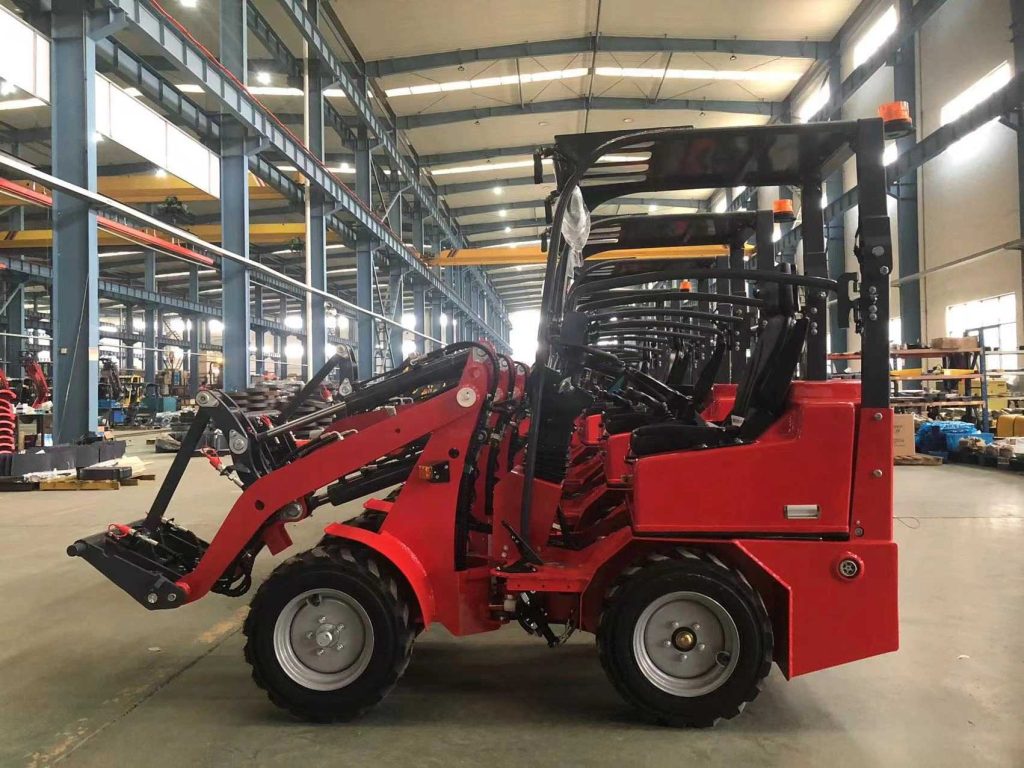
Compact wheel loader attachments are not automatically interchangeable. Similar-looking couplers may use different dimensions, locks, hydraulic connectors, and pressure ranges.
Confirm these points before ordering:
- Quick coupler type and mounting dimensions
- Rated capacity with the attachment installed
- Attachment weight and load center
- Auxiliary hydraulic flow and pressure
- Hose length, fitting type, and routing
- Required electrical or third-function controls
- Lift height, clearance, and attachment width
- Visibility
A heavy grapple or large bucket can move the load forward and reduce stability. Powered tools may work poorly with low hydraulic flow, while excessive flow can create heat or damage. A compatibility check must use both machine and tool specifications.
Conclusión
One loader can cover five profitable jobs when each tool fits the machine and a real workload. Start with the task performed most often, calculate labor and rental savings, then check capacity, hydraulics, and coupler compatibility. A smaller, well-used attachment set will usually return more than a large collection kept in storage.
JinChengYu FORKLIFT as a Wheel Loader Supplier
CARRETILLA ELEVADORA JinChengYu supplies wheel loaders and material-handling equipment from Qingdao, China. Its range covers compact machines for narrow farms, landscaping sites, and property work, plus higher-capacity loaders for construction and industrial material movement.
Selected loaders support quick changes between buckets, forks, grapples, snow tools, and hydraulic augers. The wider product range lets buyers and distributors source related handling equipment and spare parts through one supplier. Sales, after-sales, rental, and export support form part of the service network.
An inquiry should include material type, maximum load, working width, lift or dump height, annual hours, climate, and required attachments. These details help match the machine, hydraulic package, coupler, and tool configuration. Project requirements can be sent through the página de contacto.
Preguntas frecuentes
What Are the Most Useful Wheel Loader Attachments?
For mixed work, the five most useful choices are a general-purpose bucket, pallet forks, a grapple, a suitable snow tool, and an auger. The best first purchase depends on the task performed most often.
Can a Wheel Loader Use Attachments Made for Another Loader?
Sometimes, but fit cannot be judged by appearance. Coupler dimensions, hydraulic flow, pressure, attachment weight, load center, hose fittings, and controls must match. An adapter may solve the mounting pattern but can change performance.
Which Attachment Usually Pays Back Fastest?
A bucket or pallet fork often pays back quickly because it can work throughout the year. A grapple may return faster for land clearing, while snow tools and augers depend on local demand.
Is a Quick Coupler Worth It?
A wheel loader quick coupler is valuable when operators change tools regularly. It cuts changeover time and helps one machine move between loading, lifting, clearing, and seasonal work. The lock still needs daily inspection.