Hey, warehouse bosses and fleet folks! If you’re hauling heavy stuff daily, you’ve probably thought about how to make your operation a bit greener. Going green isn’t just about saving the planet—it’s about saving money and staying ahead of regulations. Choosing between LPG and diesel forklifts can really shape your environmental impact. This isn’t about turning into an eco-hero overnight. It’s about picking equipment that keeps your business running smoothly while cutting down on pollution. We’ll break down how LPG and diesel forklifts compare environmentally, especially for modern fleets looking to stay sharp and compliant. Hang tight—we’ve got real-world examples, some solid numbers, and a few surprises to share.
Understanding LPG and Diesel Forklifts
Before we jump into the green stuff, let’s get clear on what these machines do. Think of this as meeting the players before the big match.
What is an LPG Forklift?
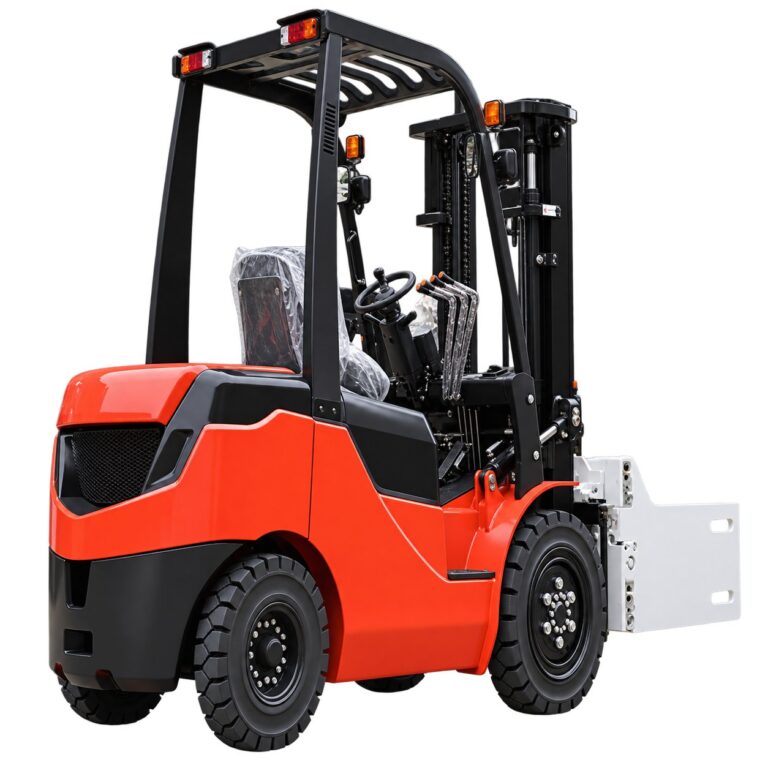
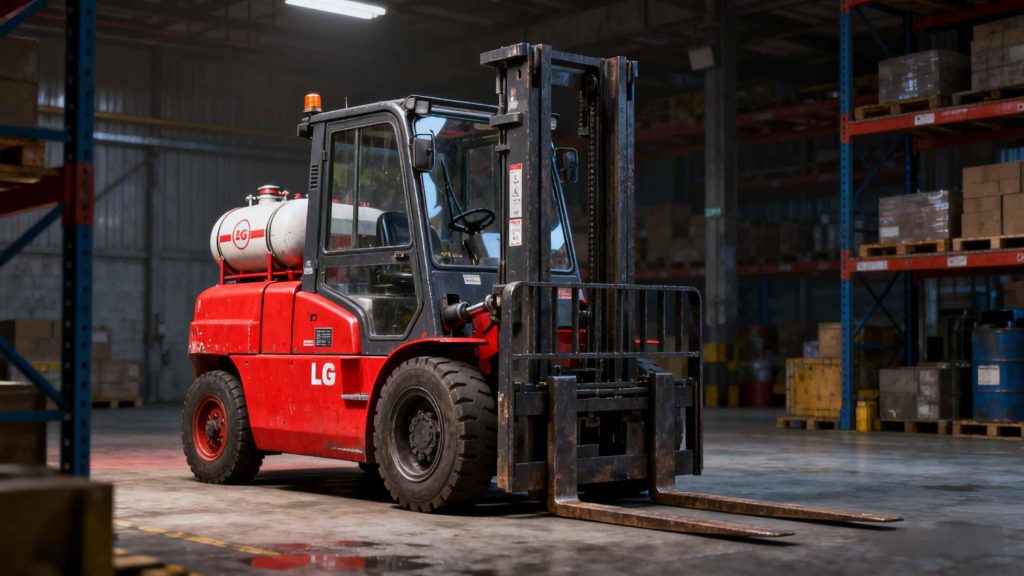
LPG forklifts run on liquefied petroleum gas. Yep, the same stuff you use for a summer barbecue, but beefed up for heavy lifting. These machines handle loads from 1.5 to 3.5 tons with ease. Imagine a busy warehouse: an LPG forklift zips around, stacking pallets high with its tall mast. Need to refuel? Swap the tank, and you’re back in business—no long waits like with electric batteries. Plus, they’re quieter and spew less gunk than diesel models, so they work great indoors and out.
I’ve seen these in action at distribution hubs. A 2-ton LPG forklift with dual front tires keeps things steady on uneven floors. The LPG engine delivers consistent power, even during crazy busy shifts.
What is a Diesel Forklift?
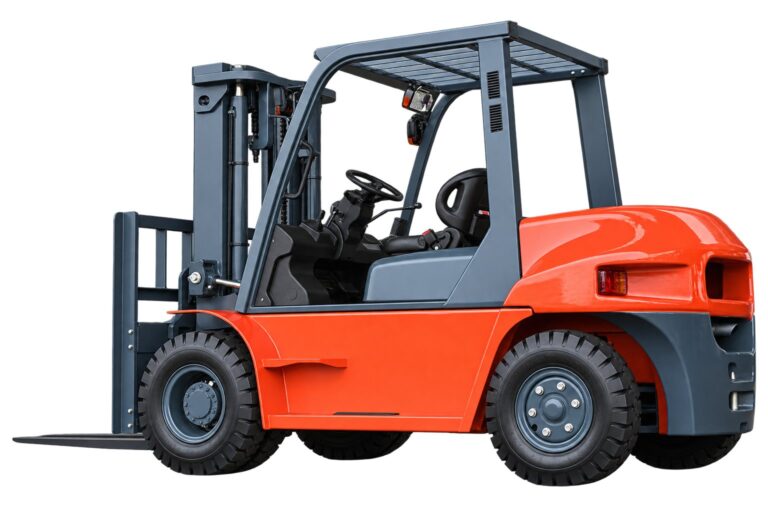
Diesel forklifts are the tough guys of the industry. They run on diesel fuel and are built for rugged outdoor jobs, like construction sites or lumber yards. These beasts can lift up to 48 tons in some cases. Their engines chug through long shifts without a hiccup.
But there’s a downside. They pump out more exhaust, which isn’t great for indoor spaces. I once talked to a site manager who loved diesel forklifts for their raw power on muddy terrain. But he admitted the fumes were a pain—sometimes literally—for his crew working inside.
Environmental Impact Comparison
Now, let’s dive into the main event: how do LPG and diesel forklifts stack up for the environment? We’ll look at emissions, noise, and fuel use. Spoiler alert—it’s not always a clear win, but the data paints a vivid picture.
Emissions: The Pollution Face-Off
Emissions are where LPG forklifts shine. Diesel engines kick out more nitrogen oxides (NOx), soot, and carbon monoxide. That stuff messes with air quality and workers’ health. EPA numbers show diesel forklifts can produce up to 30% more NOx than LPG models for similar loads. In cities, that adds to smog, and regulators are cracking down hard.
LPG forklifts burn cleaner. They cut hydrocarbons and carbon monoxide by about 50% compared to diesel. In places like food warehouses or drug plants, where clean air is a must, LPG keeps the air fresher. That means fewer ventilation issues and happier inspectors. But let’s be real—LPG isn’t perfect. It still releases CO2, just less than diesel.
Check out this table for a quick look at the emissions difference:
| Aspect | LPG Forklift | Diesel Forklift |
| NOx Emissions | Low (0.5-1 g/kWh) | High (2-4 g/kWh) |
| Particulate Matter | Barely any | Lots (needs filters) |
| CO2 Output | Decent (clean burn) | More (less efficient burn) |
These numbers come from reports like those from the Industrial Truck Association. Always double-check for your specific machines.
Noise Pollution: Keeping Things Quiet
Noise might not seem like a big environmental deal, but it impacts workers, wildlife, and even neighbors near your site. Diesel forklifts are loud—think 85-95 decibels. That’s enough to require ear protection and wear folks out over time.
LPG forklifts? They hum along at 75-85 decibels. I visited a power plant once where workers said LPG models made chatting on the floor easier. It’s a small thing, but in modern fleets focused on worker comfort, it matters. Quieter machines also let you operate in noise-sensitive spots without stirring up complaints.
Fuel Efficiency and Waste
Fuel use ties straight to your environmental impact. Diesel is powerful, but spills and evaporation create waste. LPG, being a gas, seals tight in tanks, so spills are rare. Fleet studies show LPG forklifts often use 10-20% less fuel in steady environments.
Here’s a twist, though: in freezing weather, diesel might start better. That’s more about operations than the environment. Overall, LPG’s quick refueling cuts idling time, which means fewer emissions. Less waste, cleaner air—simple as that.
Benefits for Modern Fleets
Why should your fleet care about the LPG vs. diesel forklift debate? Today’s operations need to balance speed, cost, and eco-friendliness. LPG hits that mark in a big way. Here’s why:
Saves Money Long-Term: Lower emissions can score you green rebates. Plus, you spend less on exhaust system upkeep. A 1.8-ton LPG forklift could save hundreds in fuel yearly compared to diesel.
Works Anywhere: LPG forklifts handle indoor tasks without choking the air. They’re tough enough for outdoor jobs too. In the liquor industry, they move crates in warehouses without leaving fumes that could taint products.
Meets Regulations: With rules like California’s CARB standards getting stricter, LPG keeps you compliant. Fleet owners I’ve talked to call it future-proofing their gear.
Keeps Workers Happy: Cleaner air and less noise lift morale. One warehouse switched to LPG and saw fewer sick days. Coincidence? Maybe, but I doubt it.
For growing fleets, a 2.5-ton LPG forklift with a high mast can tackle bigger inventories without burning through resources. It’s about staying lean and green.
Real-World Applications and Case Studies
Let’s move past theory and look at real examples. In the power industry, companies use LPG forklifts to move heavy parts indoors. Cleaner air keeps sensitive equipment dust-free. I’ve seen photos of red and yellow LPG models lifting 3.5 tons like it’s nothing.
In the steel pipe industry, some switched to LPG for indoor work. They cut emissions by a third, based on their own audits. On farms, LPG rough terrain forklifts reduce soil contamination from fuel leaks compared to diesel.
In big warehouses, 3.5-ton LPG forklifts stack goods high. That means fewer trips and less fuel burned. One raw material warehouse reported a 1.8-ton LPG forklift slashed emissions by 25% in a year compared to diesel. These are real results from real businesses.
Sometimes, I think forklifts are the unsung heroes of logistics. They’re always there, doing the heavy lifting, but nobody notices until something breaks down.
Introducing JinChengYu FORKLIFT as Your LPG Forklift Supplier
Thinking about going LPG? Check out JinChengYu FORKLIFT. They’re based in Qingdao, Shandong, and have been at it since 2002. They ship to over 20 countries, focusing on top-notch material handling equipment. Their LPG forklifts range from 1.5 to 3.5 tons, built with features like dual front tires for extra grip and high masts for tall stacks. They prioritize clean, reliable performance and run full checks before shipping. With clients from South America to Southeast Asia, they’re a solid pick for fleets wanting tough, eco-friendly machines without the fuss.
Conclusion
So, what’s the deal with LPG vs. diesel forklifts? For modern fleets, LPG often comes out ahead environmentally. It cuts emissions, keeps things quieter, and reduces waste without skimping on power. Diesel still rules in super rugged settings, but for operations wanting efficiency and a lighter footprint, LPG is the way to go. Switching could clean up your air, save you cash, and keep regulators happy. What do you think—are you ready to make the shift?
FAQs
Why do LPG forklifts beat diesel for modern fleets environmentally?
LPG forklifts produce way less NOx and soot. That’s huge for keeping indoor air clean. They’re also quieter and use fuel more efficiently, which fits the green goals of modern fleets.
How does fuel use play into an environmental analysis of LPG vs. diesel forklifts?
LPG forklifts refuel fast, so there’s less idling and wasted emissions. Diesel has power, but spills add up. In an environmental analysis, LPG usually means a smaller carbon footprint.
Can LPG forklifts handle outdoor jobs as well as diesel for modern fleets?
You bet. LPG forklifts manage rough terrain just fine and pollute less than diesel. They’re a great fit for modern fleets working both inside and out.
What should I think about when switching from diesel to LPG forklifts?
Consider your warehouse’s air flow, load sizes, and local rules. An environmental analysis shows LPG reduces pollutants, but you’ll need a refueling setup. It’s usually an easy switch for greener fleets.
How does noise factor into the LPG vs. diesel forklift comparison?
Noise matters more than you’d think. Diesel forklifts hit 95 decibels, which can stress workers out. LPG stays below 85 decibels, making it better for modern fleets in busy or indoor spaces.