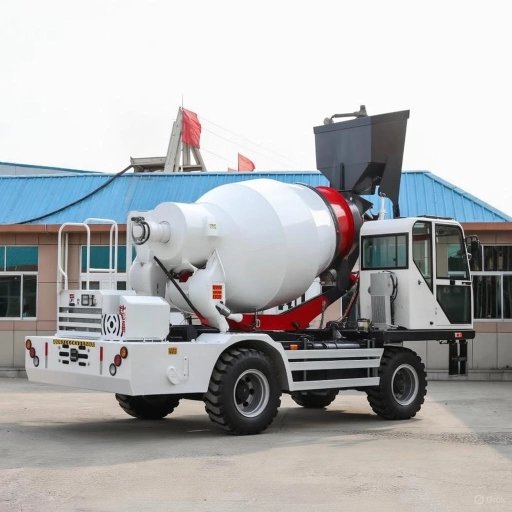
If you’re in the construction game, you know how a reliable piece of equipment can make or break a job site. That’s where a self loading concrete mixer comes in handy—it’s like having a mobile batch plant right there with you. At JinChengYu Machinery, we’ve been helping folks like you streamline their operations for years, drawing on our roots in Qingdao, China, where we build tough, efficient machines for global markets. Whether you’re eyeing a mobile self loading mixer for remote sites or something beefier for heavy-duty pours, this guide breaks it down step by step. We’ll cover what to look for, real-world tips, and why our lineup stands out without the fluff. Stick around; by the end, you’ll feel confident picking the right one.
Understanding the Basics
Diving into the world of self loading concrete mixers means getting a handle on their core strengths and how they operate. These units combine multiple functions into one machine, saving time and effort on-site. Let’s explore what truly distinguishes them and the vital parts that keep them running smoothly.
What Makes a Self Loading Concrete Mixer Stand Out?
Picture this: you’re on a rural road project, miles from the nearest supplier, and you need fresh concrete stat. A self loading concrete mixer truck loads aggregates, cement, and water itself, mixes on the go, and discharges exactly where you need it. No extra loaders or trucks required. These machines typically feature a rotating drum, a loading bucket, and four-wheel drive for tackling uneven terrain. From our experience at JinChengYu, where we’ve shipped units to spots like Southeast Asia and the Mid East, they cut down labor costs by up to 30% on average jobs—think fewer hands needed for loading and mixing.
But hey, not all are created equal. Some shine in tight urban builds, while others handle rugged off-road hauls like champs. We’ve seen contractors save hours per shift just by ditching manual batching.
This seamless integration of loading, mixing, and transporting sets them apart from traditional mixers. If you’re dealing with variable site conditions, a diesel self loading concrete mixer with high torque engines ensures you don’t bog down in mud or slopes.
Key Components to Know
Diving deeper, the heart of any solid unit is its engine—often a turbo diesel pushing 100+ horsepower for smooth operation under load. Then there’s the drum: double-cone designs with spiral blades ensure even mixing, producing consistent batches every time. Hydraulics play a big role too; look for systems that allow precise control over tilting and rotation.
Tires and axles? Crucial for stability. Pneumatic or solid options handle everything from smooth pavement to rocky paths. And don’t overlook the cab—enclosed with AC keeps operators sharp during long days.
In one case we handled, a client in a hilly mining area reported zero downtime after switching to our reinforced chassis models, thanks to swing axles that absorb shocks like nobody’s business.
Factors to Consider When Buying
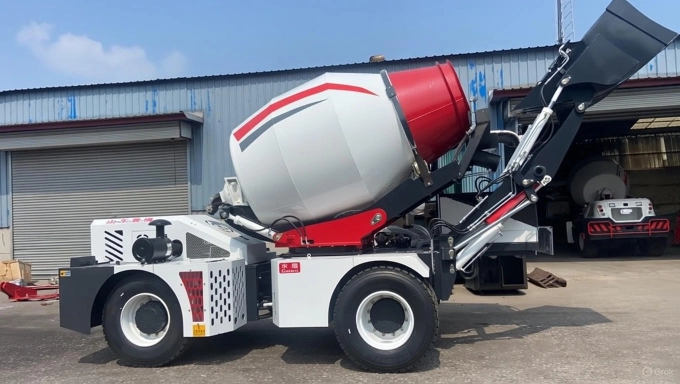
Selecting a self loading concrete mixer isn’t just about specs; it’s about aligning the machine with your specific challenges and goals. From workload demands to long-term reliability, several elements come into play. Here’s a closer look at how to evaluate them effectively.
Assessing Your Project Needs
Before pulling the trigger, think about your typical workload. How much concrete do you churn out daily? For smaller gigs like residential foundations, a compact portable self loading mixer with around 1-2 cubic meters capacity might suffice. But for bridges or large-scale infrastructure, aim for higher outputs—say, 3-4 cubic meters per batch—to keep pace.
Terrain matters a ton. If you’re often on soft ground or inclines, prioritize 4×4 self loading concrete mixer setups with rear axle swing for better traction. We’ve had feedback from Oceania projects where this feature alone boosted efficiency by navigating steep grades without slipping.
Budget-wise, factor in not just the upfront cost but long-term savings. A good machine might run you $20,000 to $60,000, depending on features, but it pays off in reduced fuel use and maintenance. One contractor we know cut their annual expenses by 15% after upgrading.
Match the mixer to your crew size too. Solo operators love intuitive controls that let one person handle everything from scooping to pouring.
Evaluating Build Quality and Durability
Nobody wants a mixer that quits mid-pour. Check for reinforced frames and high-strength steel in the drum to withstand daily abuse. Our units at JinChengYu use planetary gear reductions for axles, ensuring longevity even in dusty, wet environments.
Emissions compliance is key nowadays—look for engines meeting global standards like Stage V, which cut pollutants without sacrificing power. Tires should be puncture-resistant; solid ones excel in debris-heavy sites, while pneumatic offer better ride on roads.
Real talk: we’ve seen machines last 10+ years with proper care, but skimping on quality leads to frequent breakdowns. Inspect welds and hydraulics during demos—leaks are a red flag.
A quick tip from the field: always ask about heat exchangers for oil cooling; they prevent overheating on hot summer jobs.
Safety and Operator Comfort Features
Safety isn’t optional. Overload protection, anti-tip mechanisms, and emergency brakes are must-haves. Cameras and sensors help spot blind spots, especially when maneuvering loaded.
For comfort, adjustable seats and climate control reduce fatigue. In a Western Europe project we supported, operators raved about tiltable windows for better visibility, cutting accidents by noticeable margins.
Ergonomics pay dividends—happy operators mean fewer errors and higher output.
Comparing Options and Costs
With various models available, it’s smart to weigh the pros and cons of different types while keeping an eye on the bottom line. This helps ensure you get the best bang for your buck. Let’s compare the main categories and dive into budgeting strategies.
Types of Self Loading Mixers
Here’s a breakdown to help you compare:
| Type | Best For | Key Pros | Potential Drawbacks |
|---|---|---|---|
| Standard | General construction, roadwork | Efficient mixing, cost-effective | Limited in extreme heavy loads |
| Customized | Heavy-duty sites, mining | Reinforced structure for toughness | Slightly higher weight affects fuel |
| Rotation | Versatile unloading in tight spaces | 360-degree discharge | Specialized tires may need more maintenance |
Standard ones are go-tos for everyday jobs, mixing quickly with minimal fuss. Customized beef up the frame for punishing environments, like rocky quarries. Rotation models let you unload from any angle—super handy in crowded urban builds.
From our product lineup, we’ve tailored these to real needs, blending power with practicality.
Whichever you pick, test drive if possible. Feel how it handles loads.
Budgeting and Value Assessment
Prices vary, but expect entry-level construction self loading mixer around $15,000-$30,000 for smaller capacities, scaling to $50,000+ for robust ones. Factor in shipping if importing—our Qingdao base makes global delivery straightforward.
Value comes from ROI: a machine producing 20 batches daily versus 10 justifies the spend. Look at fuel efficiency; advanced injection systems can save 10-20% on diesel.
Hidden costs? Maintenance parts availability. We stock spares worldwide, minimizing downtime.
Sometimes, a mid-range option outperforms pricier ones if it fits your niche perfectly. One African client saved big by choosing rotation over standard for their port work.
Maintenance and Support Essentials
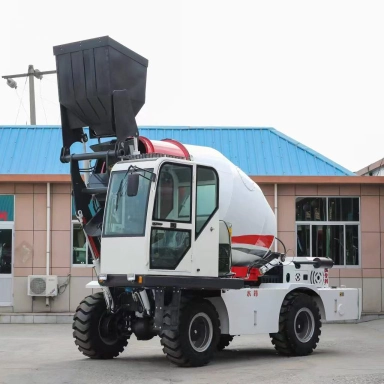
Keeping your self loading concrete mixer in top shape extends its life and keeps costs down. Beyond daily routines, reliable support is crucial. We’ll cover practical upkeep advice and the importance of strong after-sales backing.
Routine Care Tips
Keep it running smooth with daily checks: oil levels, tire pressure, hydraulic fluids. Clean the drum after each use to avoid buildup—takes five minutes but saves hours later.
Schedule engine services every 500 hours; filters and belts wear out faster in dusty spots. Our designs include easy-access points for quicker fixes.
Pro tip: use quantitative water controllers for precise mixes; they extend drum life by preventing over-wetting.
In humid climates like Southeast Asia, rust-proofing pays off—we’ve coated components to resist corrosion.
After-Sales Support
Good support turns a purchase into a partnership. At JinChengYu, we offer rentals, parts, and tech help globally. Reach out via our contact page for demos or quotes.
Warranties typically cover 1-2 years; extend if operating in harsh conditions. Training? We provide operator sessions to maximize safety and efficiency.
We’ve resolved issues remotely for North American clients, shipping parts overnight. It’s about keeping your site moving.
Conclusion
Wrapping this up, picking the right self loading concrete mixer boils down to matching it with your site’s demands—be it mobility, capacity, or durability. With JinChengYu’s focus on rugged, efficient designs, you’re set for projects that demand reliability without the hassle. We’ve built our rep on machines that deliver, from remote roads to bustling ports. If you’re ready to boost your setup, explore our self loading concrete mixer options and see how they fit. It’s an investment that keeps paying off.
FAQs
What is a self loading concrete mixer and how does it work?
A self loading concrete mixer is a versatile machine that loads materials, mixes concrete, and discharges it on-site. It uses a bucket to scoop aggregates and cement, adds water via a pump, and rotates the drum for uniform blending—perfect for independent operation in construction.
How do I choose the right capacity for my self loading concrete mixer truck?
Consider your daily output needs. For small to medium jobs, 1-2 cubic meters works; larger sites benefit from 3-4 cubic meters. Factor in terrain too—a 4×4 self loading concrete mixer handles rough ground better with higher capacities without straining the engine.
What maintenance is required for a diesel self loading concrete mixer?
Regular checks on fluids, tires, and filters every 500 hours keep it reliable. Clean the drum daily to prevent residue buildup. With features like oil coolers, our units at JinChengYu minimize issues, but always follow the manual for site-specific care.
Are there benefits to a portable self loading mixer over traditional ones?
Absolutely—portable self loading mixers save time and labor by eliminating separate loaders. They offer mobility for remote areas, consistent mixes, and lower costs long-term, especially in off-road scenarios where traditional setups falter.
How much does a mobile self loading mixer cost?
Expect $15,000-$60,000 based on features and size. Value shines in efficiency gains; for instance, reducing crew needs can offset the price quickly on ongoing projects.