You need to pick the right wheel loader for your construction work. You also need it for mining jobs or factory tasks. This choice is often tricky. Many models sit on the market today. Many sizes exist as well. Many features come with each machine too. Your pick can create a huge effect on how smoothly your business runs. It also changes how much work your team gets done each day. In this blog post we will go over the main things to think about. These things matter when you select a wheel loader. This way you make a smart choice. The choice fits your special needs exactly.
Exploring the Basics of Wheel Loaders
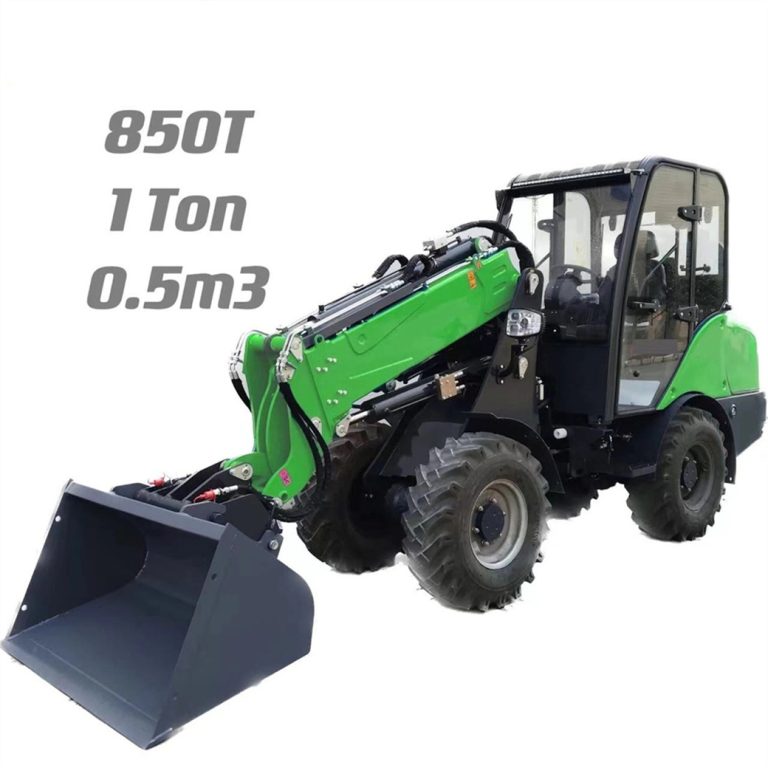
A wheel loader is a handy heavy machine. People usually use it in construction areas. They use it in mining spots too. They also use it in industrial places. It helps shift things like dirt. It moves gravel as well. It carries sand and snow. It handles other loose materials from one spot to another. The machine usually has a big bucket at the front. You can lift this bucket up. You can turn it too. This lets you grab the material. Then you carry it across the site. After that you dump it where you want. The size of the machine and its setup matter a lot. Based on these details wheel loaders take care of many jobs. For example they load building stuff into trucks. They clear away snow piles. They even dig small trenches when needed.
Different Types of Wheel Loaders
Wheel loaders come in many sizes. They have different setups too. Three main kinds stand out.
- Small Wheel Loaders: These work well for easy jobs. Examples include landscaping work. They load small things. Or they work in small tight areas.
- Medium Wheel Loaders: These work great for regular construction projects. They fit light mining operations too. They mix power and easy movement in a good way.
- Large Wheel Loaders: These handle tough jobs. Examples include mining work. They fit quarrying tasks. They also manage big construction projects. They can deal with loads that are way heavier.
Key Features to Consider When Choosing a Wheel Loader
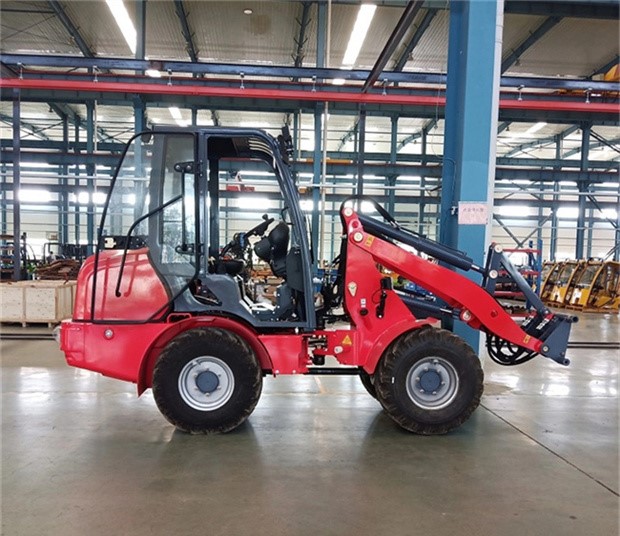
It is not just about picking the biggest bucket or the strongest engine. You must look at other details too. These details make the machine fit your daily work. Here are the important things to think about.
Operating Weight and Capacity
The weight and capacity of a wheel loader are key. They decide how much material it can lift. They also show how much it can carry. Smaller loaders suit light jobs. Larger ones are needed for heavy work. The operating weight affects how steady the machine stays. It also changes how easy it moves around. You should pick a loader with the right lifting power. This power must match your exact tasks.
Engine Power
The engine power of a wheel loader is important. It shows how well the machine works in tough spots. It performs when you lift heavy loads too. A loader with more horsepower runs better in rough ground. It handles hard jobs without trouble. But it may use more fuel each day. You need to think about this trade-off before you buy.
Bucket Size
The bucket size is one of the most important parts. It decides the amount of material the loader can carry in one grab. A bigger bucket makes work faster. But it can slow the machine down if the load gets too heavy. You should look at the kinds of materials you handle every day. Then choose a bucket size that fits those needs well.
Hydraulic System
A strong hydraulic system lets the wheel loader lift the bucket. It also lets you tilt the bucket with better control. The moves happen at good speed too. This system matters a lot for jobs that need constant lifting. It is useful when you dump materials often. You should look for a wheel loader that has an advanced hydraulic setup. This setup will raise your daily output.
Maneuverability and Tire Type
Maneuverability matters a lot. It is especially true in tight or busy work sites. Wheel loaders with four-wheel drive give better grip. They stay steady on uneven ground. They work well on slippery surfaces too. The kind of tires you pick also changes performance. Radial tires suit some ground. Bias-ply tires work on others. Solid tires fit special needs. You should match the tires to your usual terrain.
Fuel Efficiency
Fuel efficiency is a big deal. It helps you control daily costs. You should pick wheel loaders that have engines built to save fuel. Newer models often include tech that cuts fuel use. They still keep full power. This choice lowers the total cost you pay over time.
Operator Comfort
A wheel loader operator spends long hours in the cab. So comfort and easy controls are key. You should look for adjustable seats. Good ergonomic controls help too. Clear visibility is important. Climate control keeps the cab nice. A comfortable operator stays fresh longer. This person gets more work done each shift.
Maintenance and After-Sales Support
You must check parts and service before you buy. Good replacement parts should be easy to get. Strong after-sales help from the maker is a must. Regular care keeps the machine running without stops. Reliable support stops expensive downtime. This support saves you money in the long run.
How to Choose the Right Wheel Loader Size
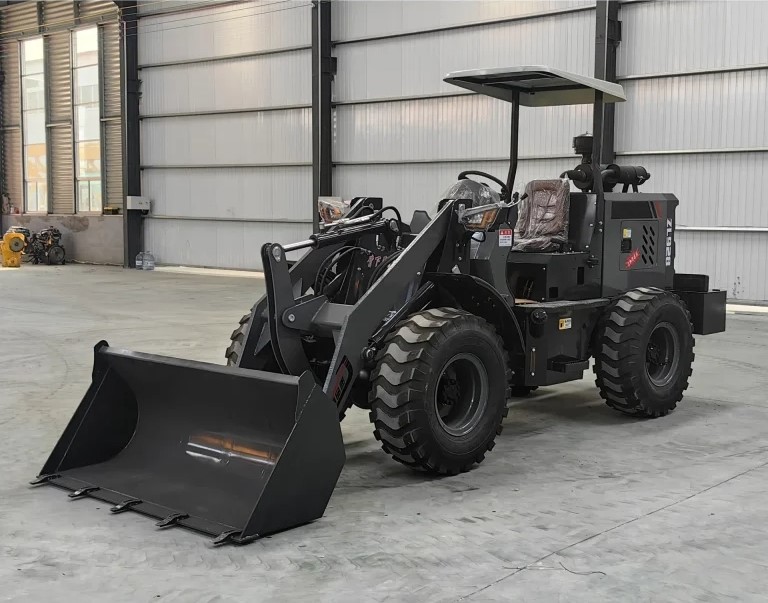
Now that you know the main features you can match size to your jobs. The right size depends on the work you do most. Here is a clear guide for each type.
- Small Wheel Loaders: These are best for landscaping. They fit light construction too. They handle small material moves. They are compact. They work well in tight city spots or small sites.
- Medium Wheel Loaders: These suit general construction. They work for light mining jobs. They give a nice mix of power and movement. They keep fuel use low while they do many tasks.
- Large Wheel Loaders: These fit heavy work. They handle quarrying. They manage large construction sites. They work in mining too. They carry big loads. They stand up to hard conditions every day.
Wheel Loader Specifications Comparison
You can see how models differ when you check their numbers. This helps you decide with clear facts. Here is a simple table. It shows key specs to compare.
| Feature | Small Wheel Loader | Medium Wheel Loader | Large Wheel Loader |
|---|---|---|---|
| Engine Power (HP) | 50–100 | 100–250 | 250+ |
| Bucket Capacity (m³) | 0.5–1.0 | 1.0–2.5 | 3.0+ |
| Operating Weight (kg) | 3,000–6,000 | 6,000–12,000 | 12,000+ |
| Fuel Efficiency (L/h) | 5–10 | 10–20 | 20+ |
| Tire Type | Radial | Radial/Bias-Ply | Solid/Radial |
With these numbers fresh in your mind you can move to the next step.
A Quick Buying Checklist
Before you sign any papers use this short list. It keeps your thoughts clear.
- Budget: How much can you spend on a wheel loader? Remember bigger stronger machines cost more at first. But they may save money later with better work flow.
- Operational Needs: Think about your daily work. Will you move heavy loads? Or will you work in small spaces?
- Fuel Consumption: Watch fuel use closely. It adds up over months and years.
- Maintenance: Plan for regular care costs. These costs change with machine size and how complex it is.
- Support and Warranty: Check the maker’s help after the sale. Look at warranty length. Make sure spare parts stay easy to find.
About JinChengYu Forklift – Your Trusted Wheel Loader Supplier
JinChengYu Forklift stands as a top supplier of solid wheel loaders. The company works hard to give you machines you can count on. These machines run well every day. JinChengYu Forklift offers many kinds of wheel loaders. They fit construction needs. They meet mining demands. They also serve industrial jobs. The team of experts builds each loader to top standards. This gives customers tough machines. The machines deliver strong performance. They also bring good value for the money you pay.
Conclusion
Picking the right wheel loader can change how well your projects go. It affects success in a big way. You must think carefully about size. You must weigh engine power. You must check capacity and care needs too. When you do this you find a loader that raises daily output. It also lowers the money you spend to run it. The best wheel loader does more than just work. It makes your whole investment pay off for many years ahead. Take time with your choice and you will see the benefits every day on the job.
Frequently Asked Questions (FAQs)
What is the best size wheel loader for construction projects?
Most regular construction jobs do well with a medium wheel loader. This size is often the top pick. It mixes power in a nice way. It gives enough carrying room. It keeps fuel use low too. So it works for many different tasks on the site.
How do I improve the fuel efficiency of my wheel loader?
You can make fuel use better in a few simple ways. Pick a loader that has an engine built to save fuel. Keep up with regular service checks. Do not overload the machine on any job. These steps cut costs without losing power.
Can wheel loaders handle rough terrain?
Yes most new wheel loaders manage rough ground well. They come with four-wheel drive systems. They also have strong tires. These features give good grip and steady movement even on bumpy or wet surfaces.
How do I know if a wheel loader is suitable for my specific needs?
You should match a few key numbers to your work. Look at operating weight. Check bucket size. See engine power too. Then compare these details with the materials you move. Think about the ground conditions on your site. This match tells you if the loader will fit.