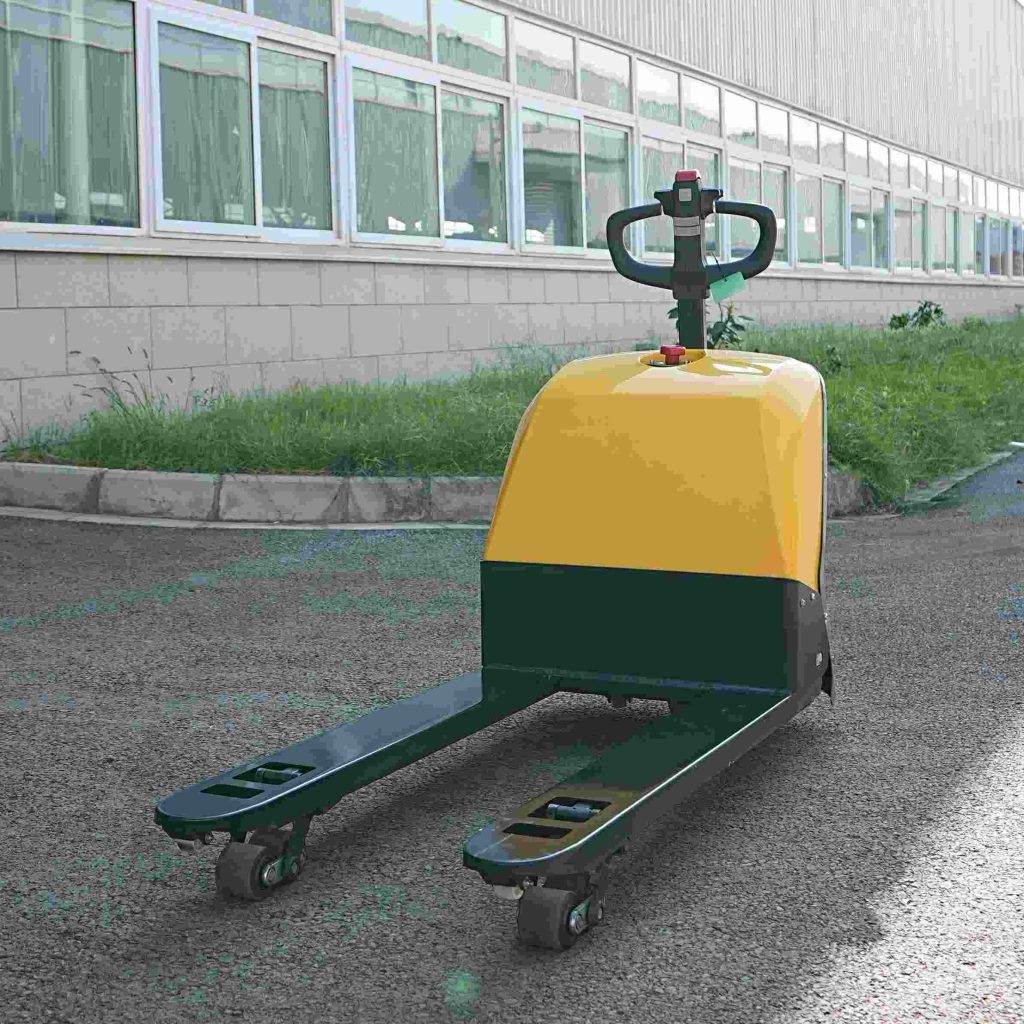
Moving one pallet is simple. Moving hundreds through the same aisles, dock doors and production routes every day is a different story. Repeated manual pulling creates strain on workers. A full-size forklift can feel like too much machine for the job.
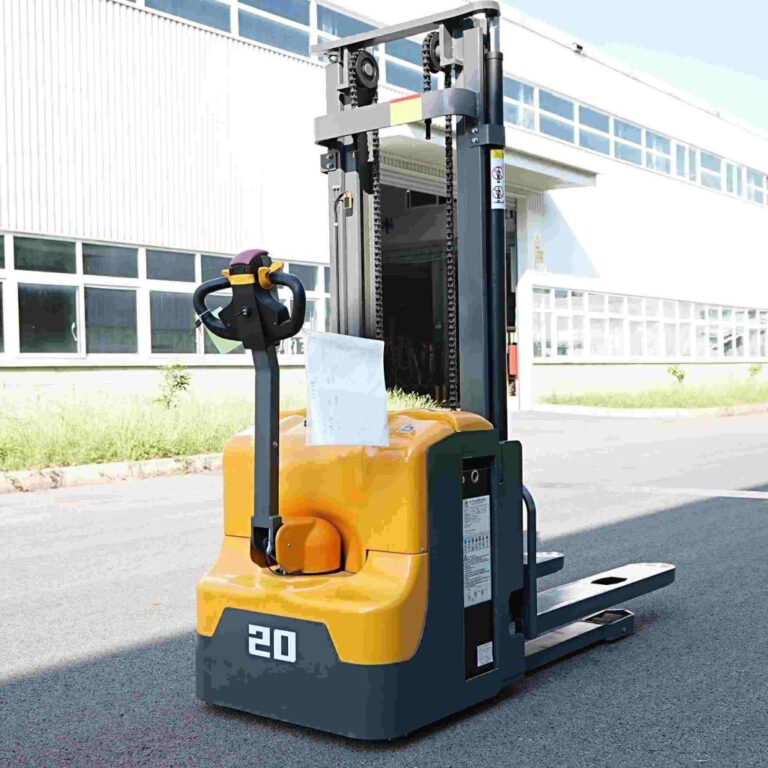
An electric pallet truck, sometimes known as an electric pallet jack or powered pallet truck, is perfect for such purposes. Electric power handles transportation and lifting operations. The compact size serves the purpose of moving pallets at ground level very well. Such trucks find wide application in receiving, resupplying, staging, loading and material handling in warehouses, distribution centers and manufacturing facilities.
Why Electric Pallet Trucks Fit Daily Material Handling
One of the primary reasons why electric pallet trucks are preferred for daily material handling operations is that they provide excellent performance in repetitive short and medium distance material handling tasks. Operators no longer have to push or pull a heavy pallet by themselves.
This type of pallet handling gear fits busy traffic, tight spaces and loads that stay on the floor. Start the choice process with the actual route. Look at pallet size, load weight, aisle width, travel distance, floor condition, slopes and places to charge the battery.
Electric power removes much of the physical effort. Operators stay fresher during long shifts. The machines also move at a steady speed that helps keep material flow predictable. Many sites find that one or two of these trucks free up larger forklifts for higher lifting jobs. That balance improves overall efficiency without big extra cost.
Electric Pallet Truck Applications in Warehouses
Warehouses create constant pallet movement. Goods arrive at receiving. They pass through staging. They move into storage. They return to picking areas. Finally they reach outbound docks. An electric pallet truck for warehouse work can cover several of these steps. It does so without taking the space of larger lifting machines.
Goods Receiving and Internal Pallet Transport
At a receiving door an inbound pallet may travel only twenty or thirty meters to a staging lane. That short trip can repeat many times in one shift. A battery powered pallet truck moves goods from the dock to inspection, temporary storage or a handoff point with ease.
For floor-level transport this option often works better than sending a forklift for every move. If the pallet later needs high racking, a stacker, reach truck or forklift can take over. The electric pallet truck stays busy on the horizontal routes. This keeps the larger machines free for the jobs only they can do.
Replenishment and Order Fulfillment
Retail warehouses, e-commerce operations and 3PL facilities depend on fast restocking. Full pallets move from reserve storage to picking zones. Finished orders travel to checking, wrapping or dispatch. An electric pallet jack handles these repeated routes while cutting manual effort.
Workers guide the truck along fixed paths. They load and unload with simple controls. The process stays smooth even during peak hours. Many teams report fewer delays when these trucks support the picking and packing areas. The result is faster order cycles and less tired staff at the end of the day.
Narrow Aisles and Tight Work Areas
Cross-aisles, dock lanes and staging zones are often crowded. Compact material handling gear is easier to place around racks, workstations and doorways than a larger truck.
Before choosing a warehouse pallet truck measure more than aisle width. Check fork length, overall truck length, pallet size and tiller movement. These details decide whether the operator can turn cleanly. Good planning here prevents daily frustration and keeps traffic flowing.
Loading Docks and Distribution Centers
A distribution center packs many pallet moves into a small area. Goods are unloaded, staged, sorted and prepared for outbound shipping. Powered pallet trucks fit this pattern because most moves stay horizontal and repeat often.
Typical loading dock tasks include:
- moving pallets between trailers and staging lanes
- carrying outbound orders to dock doors
- repositioning loads during truck loading and unloading
- moving pallets across approved dock plates
- clearing empty pallets from traffic areas
For longer dock-to-storage routes powered travel becomes more useful. Floor condition still sets the limit. Standard electric warehouse gear is built mainly for smooth industrial floors. Broken pavement, gravel or rough yards need machines designed for those surfaces. Matching the truck to the real floor protects wheels and keeps operators safe.
Electric Pallet Trucks in Manufacturing Plants
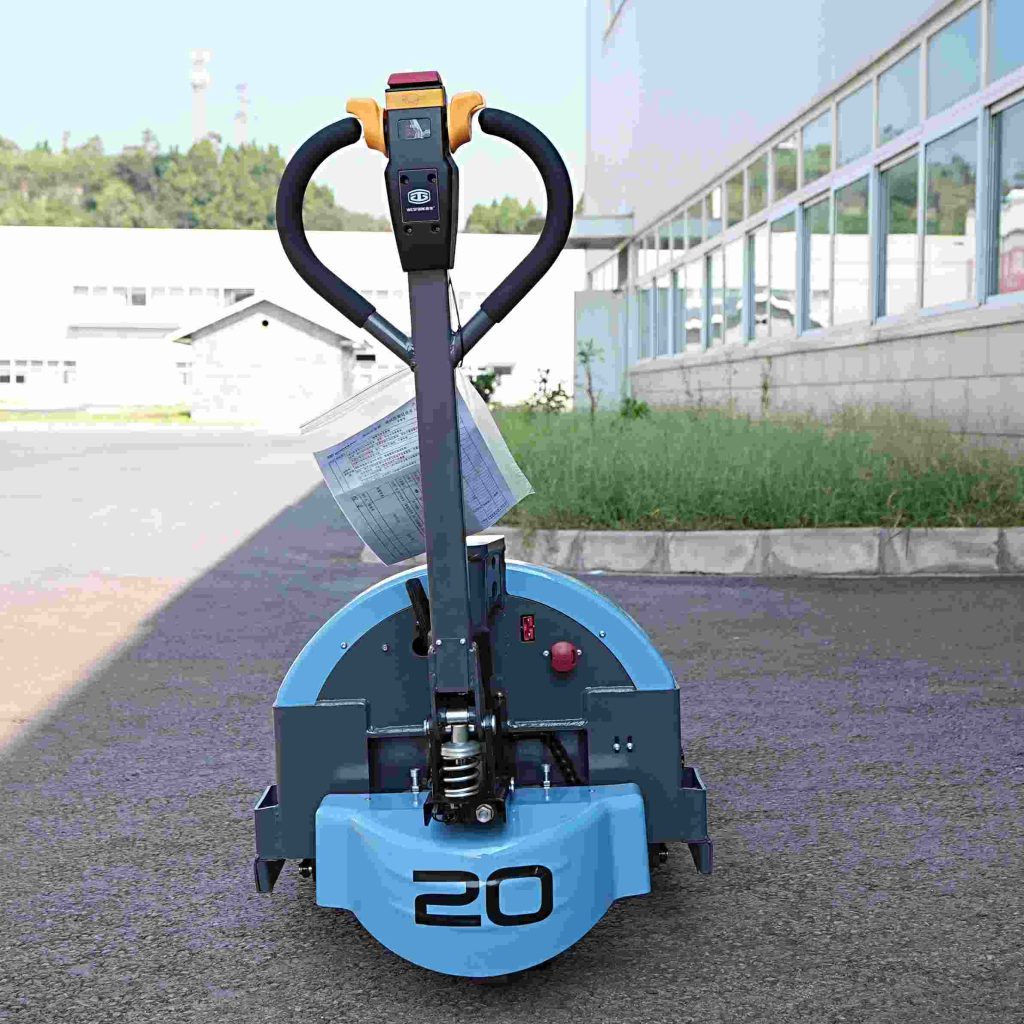
Manufacturing material handling follows a different rhythm. Production areas need materials on time. An electric pallet truck for manufacturing works well as a point-to-point transport tool. It links receiving, stores, production and finished-goods areas.
Raw Materials and Component Delivery
A raw material warehouse may hold pallets of metal parts, packaging or molded components. Electric pallet trucks carry these loads to line-side staging. They do this without sending a larger forklift through every production aisle. Another machine can handle the vertical task when needed.
This approach keeps production floors clearer. It also reduces the chance of damage from oversized equipment moving in tight spaces. Operators learn the routes quickly and maintain a steady supply of parts.
Production Line Supply
Production line material handling often follows fixed routes. A pallet leaves storage, goes to a work cell, and an empty pallet comes back. Repeated cycles make powered movement especially helpful.
Check the route for pedestrian crossings, tight corners, ramps and floor changes. Drive power, wheel choice and braking behavior should match the actual path. When these details fit, the truck supports the line without causing delays or safety issues.
Finished Goods Handling
After packing, finished pallets may move to inspection, wrapping, storage or shipping. An industrial pallet truck can handle this finished goods movement when the load stays at floor level.
The same machine that brought raw materials can later move completed product. This dual use improves equipment utilization. Teams appreciate the simple controls that work the same way on every shift.
| Task | Typical Equipment | Best Fit |
|---|---|---|
| Occasional short pallet moves | Manual pallet truck | Low-volume handling |
| Frequent horizontal transport | Electric pallet truck | Powered travel in compact spaces |
| Mid-level stacking | Electric stacker | Transport plus vertical lift |
| High racking | Forklift or reach truck | Greater lifting height |
The table above shows clear roles. Electric pallet trucks shine when the job stays mostly horizontal and repeats often. Choosing the right tool for each task keeps costs down and productivity up.
Other Industries That Use Electric Pallet Trucks
Retail stockrooms use electric pallet jacks for receiving and restocking. Food and beverage warehouses move them between storage, picking and dispatch. Logistics centers rely on them for cross-docking and shipment staging.
Cold storage can also work, but battery performance, seals and electrical protection must match the temperature and moisture. Sites that plan for these conditions get reliable service year round. The same basic advantages appear across these industries: less physical strain, steady movement and better use of limited floor space.
How to Choose an Electric Pallet Truck
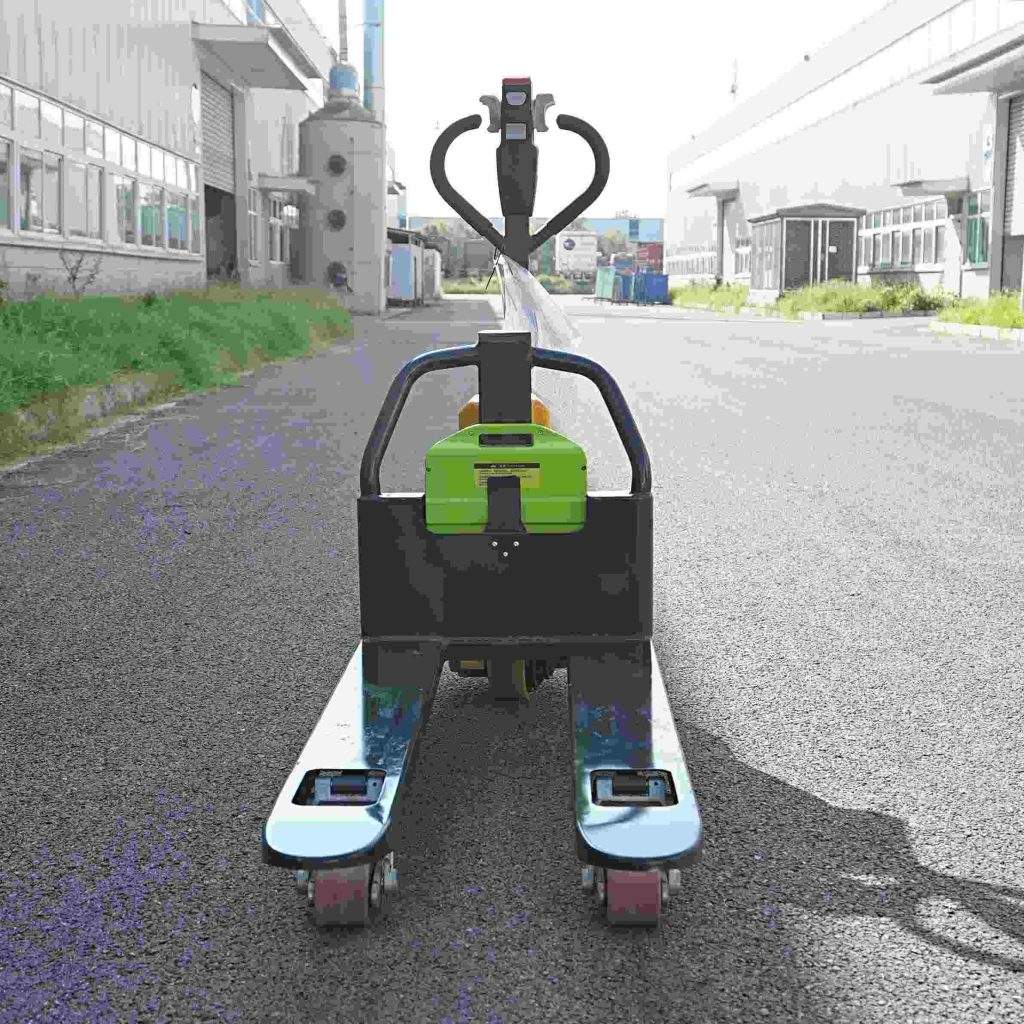
A useful specification starts with the job, not the brochure. Load capacity matters, yet it is only one part of the decision.
Check the Load and Pallet
Use the heaviest normal load as the reference point. Check pallet width, length, entry direction and fork compatibility. Electric pallet truck specifications should match the pallets actually used on site. Getting this right prevents daily work-arounds and keeps loads stable.
Measure the Route and Working Space
Record travel distance, aisle width, turning points, doorways and staging areas. A truck making ten short moves per day has different battery and duty-cycle needs from one running nonstop between receiving and production. Accurate measurements lead to better choices and fewer surprises after delivery.
Review Battery, Floor and Gradient Conditions
Battery setup should fit shift length and charging chances. Floor quality affects traction and wheel wear. If ramps are part of the route, check rated gradeability under load. Service access matters too. Easy-to-reach parts can shorten routine maintenance and keep the truck available more hours each week.
Taking time on these checks pays off. The right truck lasts longer, costs less to run and supports the team instead of creating new problems.
JinChengYu FORKLIFT as an Electric Pallet Truck Supplier
JinChengYu FORKLIFT, based in Qingdao, China, supplies forklifts, warehouse equipment and spare parts to overseas markets. Its warehouse handling equipment range includes electric pallet trucks, stackers and reach trucks. This gives buyers options for horizontal transport, stacking and storage work. The company also provides sales and after-sales support for international customers.
For electric pallet truck applications, available equipment focuses on powered travel, practical operator controls, battery-system flexibility and service-friendly design. These features suit buyers who match equipment to different working conditions rather than treating every warehouse route as the same. Clear communication and reliable support help customers choose models that fit real daily needs.
Conclusion
Electric pallet truck applications reach from warehouse receiving and stock restocking to loading docks, distribution centers and manufacturing lines. Their main advantage is clear. They provide powered horizontal pallet movement where manual handling is too hard and a larger forklift may be unnecessary.
The right truck is the one that fits the pallet, route, operating hours and working environment. Buyers comparing warehouse handling equipment should map those conditions first. Then they can request specifications and a quotation based on the real job. Careful matching delivers reliable performance and better daily results for the whole team.
Frequently Asked Questions
What is an electric pallet truck used for?
It is mainly used for horizontal movement of palletized goods. Common jobs include receiving, restocking, order staging, loading dock transport, raw material handling, production line supply and finished goods movement. The truck keeps loads at floor level and reduces the need for heavy manual effort.
Are electric pallet trucks suitable for narrow warehouse aisles?
They can be a good fit because they are generally compact. Suitability still depends on truck dimensions, pallet size, turning space and aisle layout. Measuring the actual paths before purchase avoids later issues.
Can an electric pallet truck replace a forklift?
Not in every situation, because the electric pallet truck is made to lift the loads only at the floor level. Forklifts are more appropriate to perform the operations which require lifting to higher levels.
How should one select an electric pallet truck?
Depending on the payload, pallet size, distance to be travelled, aisle width, duration of shift, battery requirements, floor quality and gradients.