
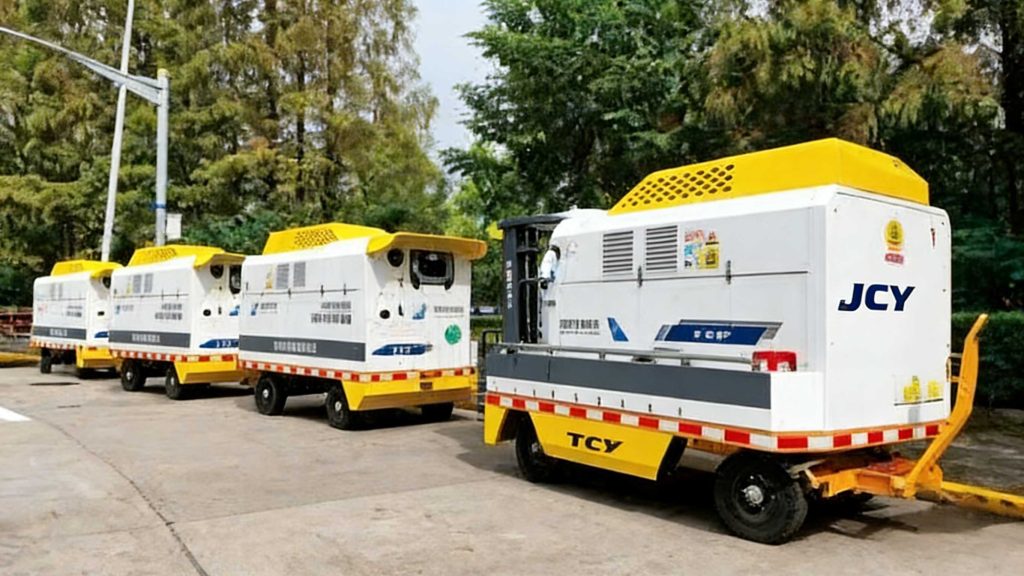
Ground support equipment seldom works alone. Tow tractors, belt loaders, cargo tractors, passenger steps, and maintenance platforms all need steady battery power to keep airport and industrial tasks going. When charging is poor or not right, downtime goes up, batteries wear out quicker, and daily jobs turn messy. Picking the right mobile charger for ground support equipment is not just a tech choice. It is a buy that impacts how well things run.
This piece explains how to pick a good mobile charger for GSE. It looks at voltage, current, and how it fits with different battery kinds in real life. It is for buyers, fix-up managers, and work teams who want handy tips instead of vague specs.
Why mobile charging matters in GSE operations
Unlike set charging spots, mobile charging lets gear get charged where it sits or runs. This cuts empty trips, mainly in big airports or storage yards where vehicles spread out far. For instance, a tow tractor waiting for a gate switch can get a quick boost during down time. It does not need a drive back to a main charging place.
Mobile chargers also get used a lot in mixed groups where electric ground support equipment works next to diesel ones. In these spots, being able to change is worth more than top charging speed. A charger that can back up many voltage levels and battery types safely often gives more help than a one-job high-power tool.
Understanding voltage requirements for GSE chargers
Voltage is the first thing that decides if a charger works with certain gear. Most electric ground support equipment runs on usual work voltage levels like 24V, 36V, 48V, or 80V. Tow tractors and baggage tractors often fall in the 48V to 80V range. Smaller help vehicles might use lower ones.
A voltage mix-up is not just bad. It can harm batteries or inside parts. So, a mobile charger should match the battery system’s normal voltage. It needs room for charging paths too. In real work, groups often have many voltage types. Here, a charger with changeable or broad voltage output turns out much handier.
When checking voltage fit, think about future group growth too. Many airports speed up the switch to electric GSE. Choosing a charger that supports several voltage classes can reduce replacement costs when new equipment is added.
Current output and charging speed in real use
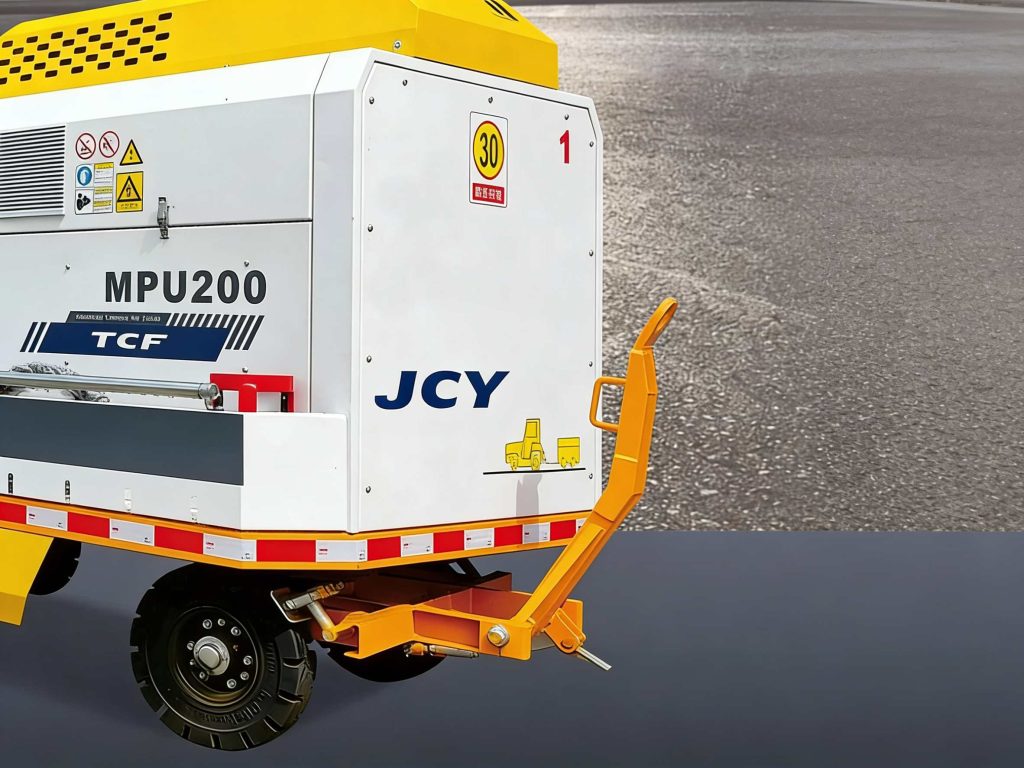
Current, in amps, sets how quick energy goes to the battery. More current means faster charging. But only up to what the battery build allows. Charging over suggested current levels can cause too much heat, fluid loss, or shorter battery time.
In everyday work, charging speed should match work loops. For example, a baggage tractor that runs non-stop in busy hours might gain from mild quick charging in short stops. In this case, a mobile charger with steady middle-range current output fits better than a high-current one that pushes the battery hard.
On the flip side, fix-up vehicles that go back to a base at night might want slow charging over speed. Matching current output to real use ways is a main step that buyers often skip.
Battery types commonly used in GSE
Fit is not just about voltage and current. Battery make-up plays a big part too. Old-style lead-acid batteries still get used a lot in ground support equipment because of their price and toughness. These batteries need set charging steps, like bulk, soak, and float parts.
Lithium-based batteries show up more in fresh electric GSE, mainly where quick charging and less fix-up matter. These batteries need exact voltage and current rule. They often link with a battery control system.
A mobile charger for mixed groups must deal with these gaps safely. Chargers that spot battery kind or let setup based on make-up cut the chance of wrong charging. In real terms, this means less hand changes by workers and steadier battery work.
Connector standards and physical compatibility
Even when power traits line up, body fit can block things. GSE chargers use different plug kinds based on area, maker, and gear age. A mobile charger should back common plugs or give flexible fixes without cutting safety.
In busy spots like airport grounds, plugs face dust, wet, and lots of touch. Strength and safe lock ways matter as much as power grades. A charger that needs plug swaps often can sneak up fix costs.
Environmental and operational conditions
Ground support equipment works outside in many weathers. Mobile chargers must handle heat changes, shakes, and sometimes hits. For example, a charger used on a ground in summer warmth must keep steady output even when air heat climbs high.
Water block levels, cool build, and cover stuff all touch long-run trust. These bits seldom pop in main specs, but they shape real-world work a lot. Buyers who check chargers only on power traits often hit surprise breaks after setup.
Safety features that protect equipment and operators
Safety is a must in GSE spots. Mobile chargers should have guards against too much voltage, too much current, short paths, and heat overload. Clear sign lights help workers grasp charging steps fast and spot faults without special lessons.
In rushed work, chargers sometimes link and unlink many times per shift. Auto shut when plugs pull out and spark stop traits cut risk and stretch plug life. These small things add to safer daily jobs.
Aligning charger selection with fleet efficiency
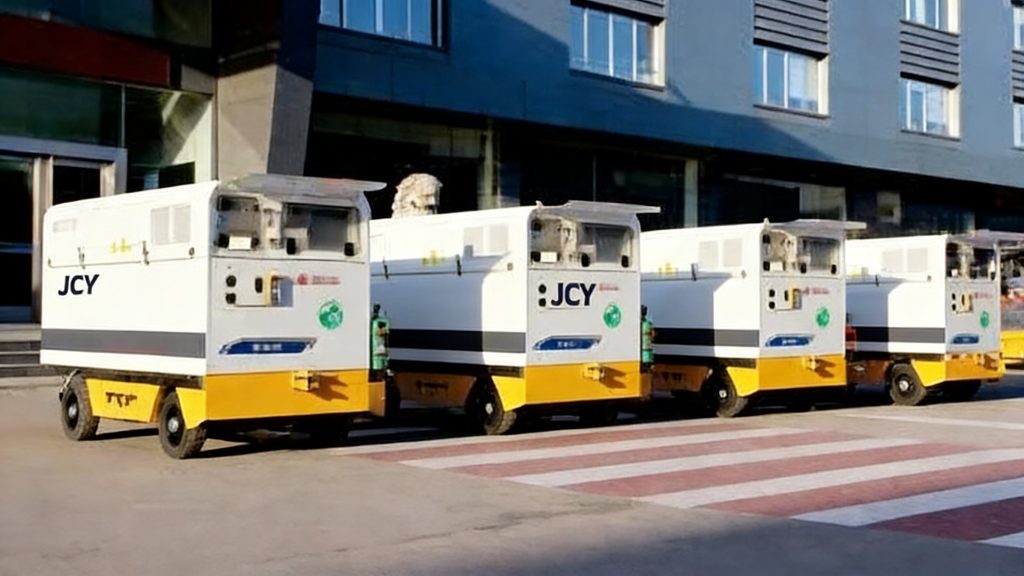
Picking the right mobile charger ties close to wider good-run goals. For instance, work that uses tow tractors instead of forklifts for pulling often does so to boost flow and cut jam. In these spots, keeping tow tractors charged and ready is key to hold the good-run edge.
A charger that backs quick charging lets vehicles stay in use longer without long stops. Over time, this can lower the count of extra vehicles needed in the group. The hit is not always clear at buy time, but it shows in less still time and smoother plans.
Integration with maintenance and lifecycle planning
Battery charging plan touches battery span. Steady, well-ruled charging can stretch service gaps a lot. Fix teams often say batteries charged with steady mobile units have fewer early breaks than those with wrong or old chargers.
From a full-life cost view, putting cash in a fit, bendy mobile charger can drop total own cost. This covers fewer battery swaps, lower fix work, and better gear ready.
About JinChengYu FORKLIFT as a mobile GSE charger supplier
According to this website and related case information, JinChengYu FORKLIFT focuses on supplying mobile charging solutions for ground support equipment used in demanding industrial and airport environments. The company emphasizes compatibility across common GSE voltage levels and battery types, with designs intended for practical on-site use rather than laboratory conditions.
Its experience with diverse operational scenarios allows it to align charger specifications with real working patterns, including mixed fleets and outdoor applications. This positioning supports buyers who are looking for stable, adaptable charging equipment rather than highly specialized single-use systems.
Conclusion
Picking a mobile charger for ground support equipment is a plan choice that goes past matching numbers on a spec page. Voltage fit, right current output, battery make-up back, and body toughness all play main roles in daily work.
When chargers get picked with real use spots in mind, they add straight to group good-run, battery long life, and safer work spots. For work seeking to cut stop time and back the rise in electric GSE use, careful charger pick is one of the best steps to take.
FAQs on Selecting Mobile GSE Chargers
What factors should I consider when choosing a mobile charger for ground support equipment?
When picking a mobile charger for GSE, focus on voltage match, current output, battery type compatibility, connector standards, and environmental durability. These ensure the charger fits your fleet’s needs and handles real-world conditions like outdoor use and frequent handling. Also, think about safety features to protect both equipment and operators.
Can one mobile charger work for an entire fleet of GSE?
It depends on your fleet’s variety. If most equipment shares similar voltage levels (like 48V or 80V) and battery types (such as lead-acid or lithium), a single charger model might suffice. For mixed fleets with different specs, opt for configurable or multi-voltage chargers to avoid buying extras.
Is fast charging always better for GSE batteries?
Not necessarily. Fast charging speeds up downtime recovery, but it can stress batteries, leading to heat buildup or reduced lifespan. Moderate charging during short breaks often works better for daily operations, preserving battery health while fitting work cycles like those of tow tractors or belt loaders.