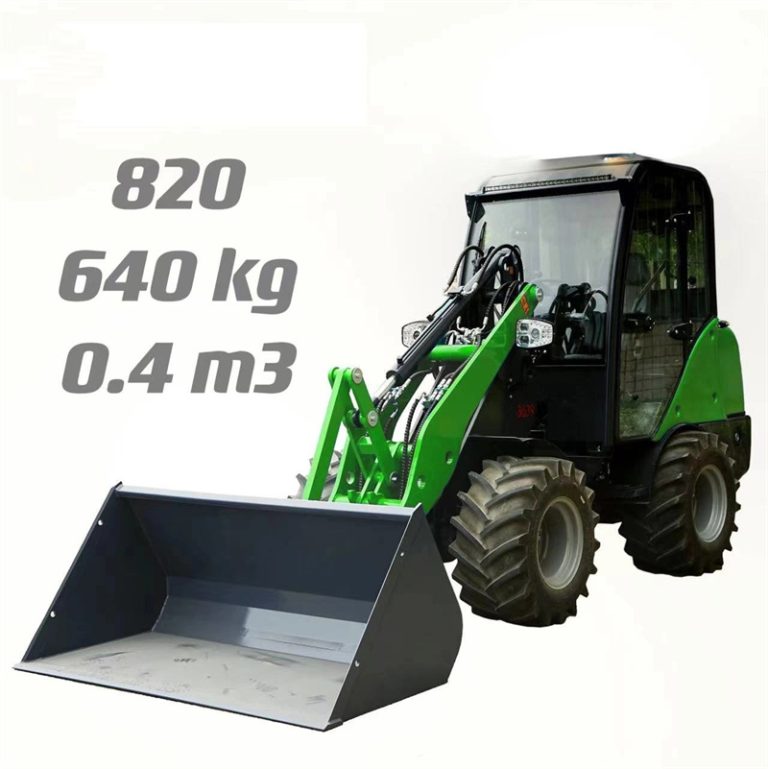
A compact wheel loader proves its worth when a single unit must handle multiple tasks in a single day. On a farm, this might involve hauling feed early in the morning. It could also mean tidying a livestock pen at midday. Later, it may shift pallets before the workday finishes. At a construction site, the machine often switches from scooping gravel to removing rubble. Then it unloads supplies from a delivery truck. In city maintenance, it typically shifts between fixing roads, clearing public spaces, and clearing snow in the winter. All this happens without losing time in cramped areas.
This variety of duties explains why compact wheel loader uses appear often in agriculture, building projects, yard care, and community services. These units are designed for scooping, hauling, raising, and moving items over short distances. When equipped with the proper tool, they manage pallet tasks, digging holes, tidying yards, and jobs tied to seasons. Otherwise, such work would require several different machines.
What Is a Compact Wheel Loader Used For?
The basic answer is straightforward. A compact wheel loader serves for managing materials, scooping loose items, short trips to transport, and routine tidying. It suits many fields not only because of its scoop size. Rather, it is the blend of clear views, jointed steering, speed on the move, and options for tools.
In modest work areas, a unit that maneuvers neatly and travels quickly between chores often counts more than sheer bulk. This is where a compact wheel loader excels. It hauls dirt, sand, stones, bark chips, animal feed, sacked items, pallets, and minor waste. At the same time, it squeezes into yards, barns, narrow paths, and job zones that would hinder bigger gear. Many drivers also favor it for roles needing constant to-and-fro motion instead of endless, repeated scooping runs.
Compact Wheel Loader Applications in Farming
Farming offers one of the best cases for the practical value of a compact wheel loader. Tasks on a farm shift often, sometimes hourly. Gear must travel between animal pens, feed bins, plant rows in greenhouses, yard spots, and loading spots. A unit that shifts various items without damaging the soil or getting stuck in slim paths quickly becomes essential.
Feed handling and daily material movement
Dealing with feed ranks as one of the most useful compact wheel loader roles on an active farm. Bulk feed, sacked additives, hay, straw for bedding, and plant food all require timely shifts. A scoop deals well with scattered items. Meanwhile, pallet tines assist with sacked products and stacked supplies.
This proves vital on farms aiming to use just one unit for everyday shifts without calling in a bigger loader. A compact wheel loader travels swiftly from a feed zone to a storage yard. It drops off items and heads back for the next load with minimal delay. For farms with varied operations, this saves hours each day.
Barn cleanup and manure handling
Compact wheel loaders perform nicely for clearing manure, removing used bedding, and general tidying in animal zones. Barns and access paths seldom offer much space to turn. This is why small size and jointed steering count. A unit that pivots easily and keeps going in snug spots reduces manual effort. It also lowers the count of tidying rounds.
The tasks themselves stay simple. However, they repeat often and demand timeliness. Hauling damp straw, scraping stray waste, and gathering it for removal or composting requires decent volume for machine aid. Yet it does not always allow room for bulkier gear.
Greenhouse, orchard, and nursery work
Operations in greenhouses and orchards frequently call for a compact wheel loader in slim areas. The duties might include shifting soil, compost, bark, young plants, watering gear, or tree supplies. Spots with low height, sharp turns, and yielding earth all steer users to compact units over larger field machines.
In such roles, picking the right tool counts as much as the loader’s scale. A scoop might manage soil and bark. Tines could shift trays and boxed items. An auger assists with tree setup and yard prep. This mix makes one loader ideal for routine greenhouse duties, nursery aid, and orchard care.
Compact Wheel Loader Applications in Construction
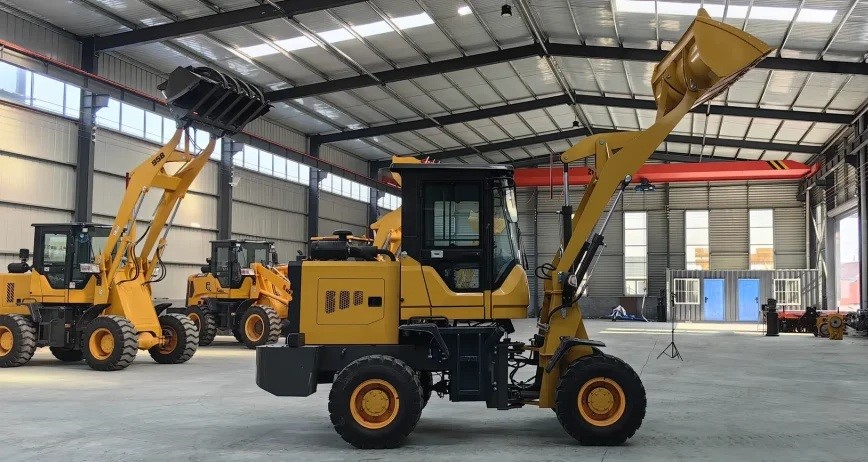
At small and medium building sites, the top unit is usually the one that maintains steady progress between shipments, stock heaps, and tidying areas. Compact wheel loader uses in building revolve around this concept. These units do not just dig. They also ensure teams get supplies, clear pathways, and shift items to needed spots without halting the site.
Loading gravel, sand, soil, and debris
Scooping gravel with a compact wheel loader counts as a standard task on site. The same holds for shifting dirt, sand, broken rock, and fill material. These are daily basics. Most jobs require moving them several times. A compact wheel loader fits when duties demand pace, repeated brief trips, and space to pivot in crowded zones.
That same unit also manages site rubble. Cracked concrete, blended trash, and stray demolition bits can be collected and shifted away from busy work spots. This keeps paths neater and safer for the team.
Unloading pallets and handling jobsite supplies
Not all key loader tasks deal with scattered items. Managing pallets forms a big part of building supply flow. Sacked cement, bricks, stones, pipes, wood bundles, and site gear often show up on pallets. With tines fitted, a compact wheel loader unloads, hauls, and positions those items with greater ease than a unit fixed for scoop-only work.
This proves handy on modest projects where a single driver covers numerous chores per shift. Rather than jumping between distinct yard and scooping gear, the loader proceeds from truck offloading to item setup to tidying.
Site cleanup and tight-space support
Modest building jobs generate ongoing tidying demands. Scraps, wrappers, stray fill, and scraped bits pile up fast. A compact wheel loader aids site tidying without claiming excessive space. It suits home builds, business updates, utility tasks, and yard-focused contractors needing one unit active all day.
Benefits of a compact wheel loader appear plainly here. Quick site travel, solid front views, and even motion on completed or partial surfaces make the unit helpful even without major digging.
Compact Wheel Loader Applications in Municipal Work
City service work varies greatly by its core. The same group might tidy road edges, shift yard supplies, clear seasonal messes, and aid basic upkeep. This is why a compact wheel loader matches public services neatly. It avoids locking into a single limited duty.
In this environment, a loader might haul rock for repair patches. It could move barriers and sacked items. It also clears leaves or storm litter. Or it supports upkeep teams with standard property chores. As winter arrives, that same unit might turn to snow clearing using a blade, scoop, or winter tool.
Roadside cleanup and public area maintenance
Road edges, parks, walkways, and utility spots all require steady tidying. Scattered items, limbs, dirt heaps, and upkeep waste need removal without clogging much area. A compact wheel loader functions well in these spots. It scoops and hauls while navigating slimmer public paths.
Snow removal and seasonal tasks
Using a compact wheel loader for snow clearing fits when duties cover lots, side streets, path-near zones, storage yards, and service areas. Shoving, stacking, and scooping snow all need a unit that pivots fast and holds steady during frequent brief cycles. For towns and firms seeking one unit all year, this shift in seasons brings true worth.
Why One Compact Wheel Loader Can Replace Several Daily Tools
The worth of a compact wheel loader lies not just in its main unit. It also stems from how tools alter its functions. A scoop stays the usual choice. But many users need pallet tines, a grabber for uneven items, a snow pusher, or an auger for yard and planting duties. Fast tool swaps allow one unit to tackle roles that would call for distinct gear.
The table below illustrates how this works in actual practice.
| Work setting | Common task | Useful attachment |
|---|---|---|
| Farm yard | Feed, bedding, loose material | Bucket |
| Storage area | Bagged goods, pallets, supplies | Pallet forks |
| Greenhouse or nursery | Soil prep, tree or post work | Auger |
| Construction site | Gravel, sand, debris | Bucket or grapple |
| Municipal winter work | Pushing and piling snow | Snow blade or bucket |
These units remain active for another key reason. They handle blended conditions well.
- narrow paths and yard gates
- frequent short-haul shifts
- duties that change from scattered items to pallet tasks
- zones where bulk gear seems too large
- teams requiring one unit for numerous minor yet steady chores
A Practical Wheel Loader Supplier for Mixed-Use Jobs
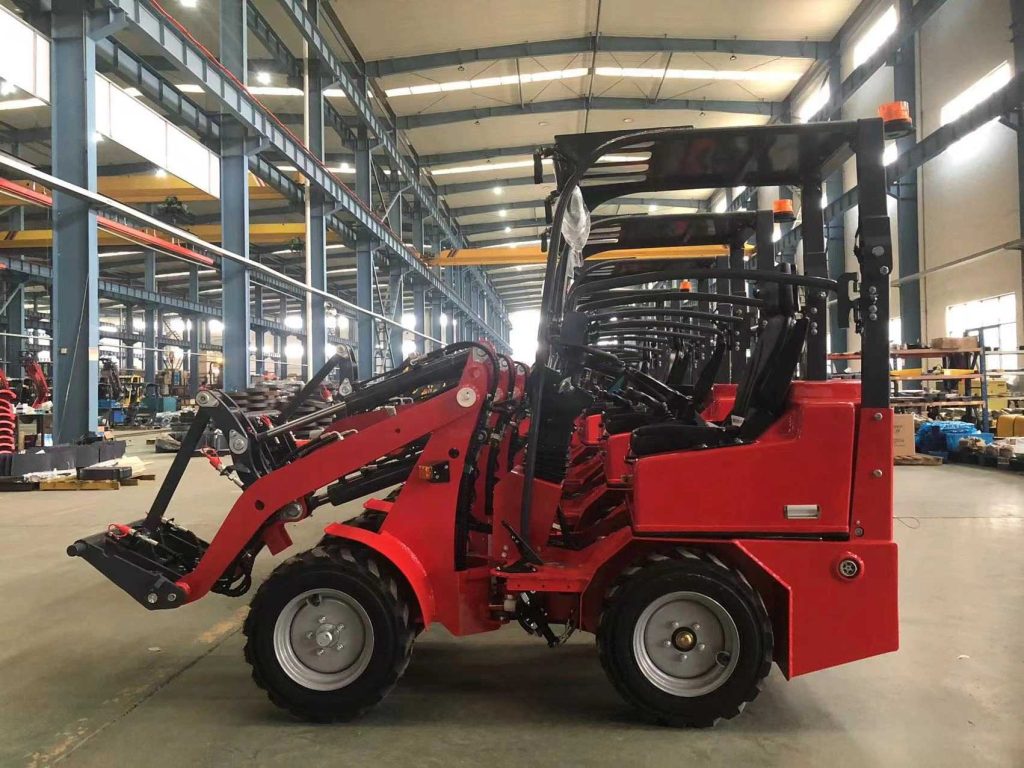
JinChengYu FORKLIFT offers wheel loaders for building, supply chains, farming, and basic material shifts. The selection includes compact units for snug sites. It also has stronger choices for bigger daily scooping needs. The range covers tool-based designs, like auger-fitted loaders. These suit yard care, nursery tasks, and tree planting. The firm sits in Qingdao. It gives direct ways to connect for buyers matching unit size and setup to real work needs.
For purchasers, this counts because picking a wheel loader seldom focuses only on load rating. Soil type, turn room, tool requirements, move limits, and daily chore blend all shape what performs steadily over time. A provider with varied products and task awareness often proves simpler to deal with than one pushing a lone basic option.
Conclusion
A compact wheel loader ranks among the rare units that shift smoothly between farming, building, and city services. It hauls feed in the morning. It moves stones in the afternoon. Then it tidies up before the day closes. Fit the proper tool, and that same unit handles pallets, snow, or planting without claiming extra yard room or driver time.
This explains why compact wheel loader uses keep growing. The unit matches actual duties, not just paper specs. For buyers weighing choices, the top pick usually rests on site width, item kind, daily load habits, and if tools form part of the routine. A fitting compact wheel loader delivers gains by proving useful across all seasons.
FAQs
What jobs can a compact wheel loader do?
A compact wheel loader can scoop loose items, haul dirt or stones, shift pallets, tidy yards, manage feed, clear manure, aid building supply drops, and handle city upkeep like snow clearing and road edge tidying.
Is a compact wheel loader good for farming?
Yes. A compact wheel loader often suits farming well. It manages feed shifts, bedding tidying, pallet hauls, plant food handling, and aid for greenhouses or orchards. Plus, it stays easy to guide in snug work spots.
Can a compact wheel loader work in narrow spaces?
Yes. It works well, especially for barns, greenhouse paths, nursery zones, side yards, or small building access ways. Small scale and jointed steering let the unit pivot and carry loads where bigger loaders might struggle.
What attachments can a compact wheel loader use?
Typical compact wheel loader tools include a scoop, pallet tines, grabber types, a snow pusher, and an auger. The best tool hinges on whether duties focus on loose items, pallets, uneven waste, snow, or digging holes.
Compact wheel loader vs skid steer: which is better?
It depends on the duty. A compact wheel loader often gets chosen for quicker travel, item hauls, and roles needing clearer sights and even motion over surfaces. A skid steer might suit extremely tight spots or tool-intensive work where its design helps.