When planning a construction job, teams frequently wrestle with one tough question: Should you rent a concrete truck mixer or buy one outright?
This isn’t a basic yes-or-no choice. Many elements matter. Upfront expenses play a role. Long-term upkeep costs are crucial too. Project schedules influence the decision. Market realities also shift the balance. The optimal path depends on more than just the sticker price.
In this detailed guide, we’ll thoroughly explore the advantages and disadvantages of both renting and buying a concrete truck mixer. We’ll share practical cases from the field. By the conclusion, your choice for upcoming projects should feel much clearer.
Grasping the Concrete Truck Mixer’s Job
Before comparing rental versus purchase, let’s quickly revisit fundamentals.
Think of a concrete truck mixer as a mixing plant on wheels. It carries concrete from the batch plant. Simultaneously, it blends the mixture during transit. This guarantees the concrete reaches your site perfectly fresh and ready to pour. Smaller home projects might manage with standard ready-mix delivery. However, bigger commercial builds change the game. Multi-story towers are a prime example. Road construction projects fit here too. Industrial complexes absolutely need dedicated mixers. Here, owning or securing a mixer often dictates your timeline success.
Consider the Self Loading Concrete Mixer
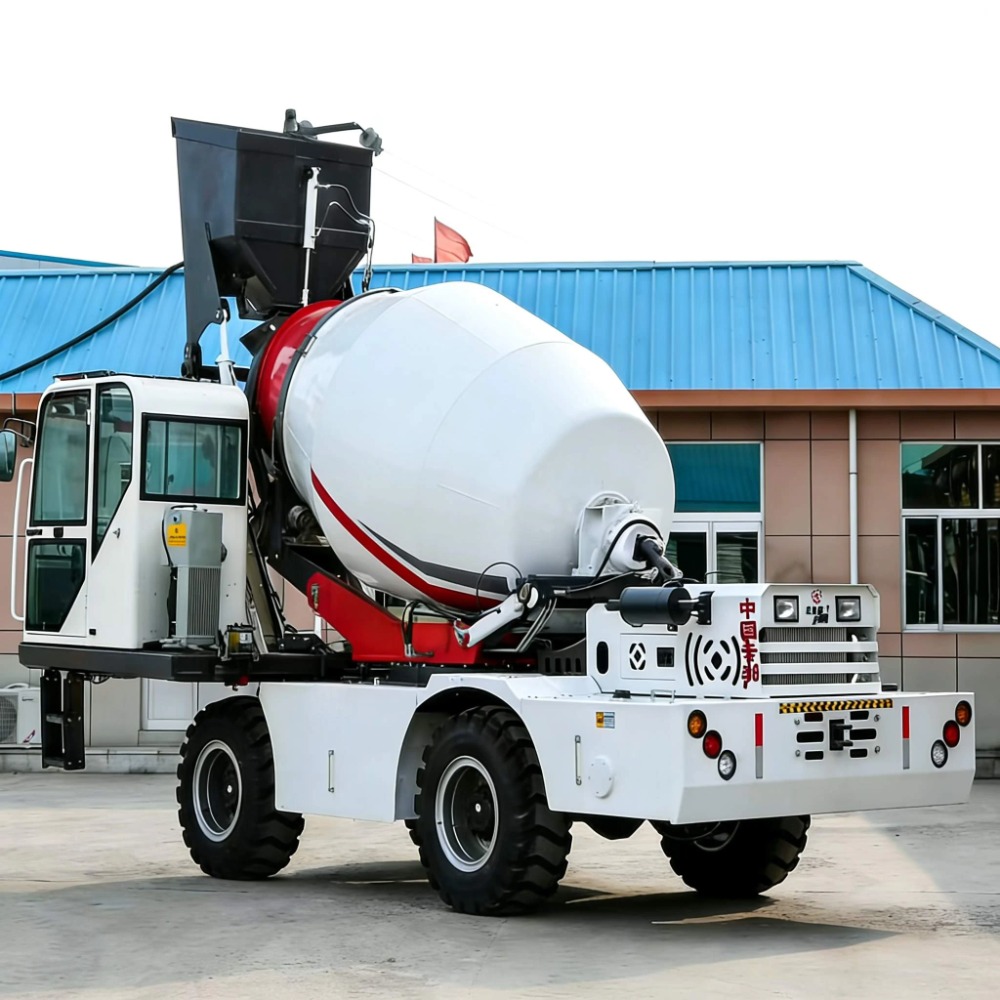
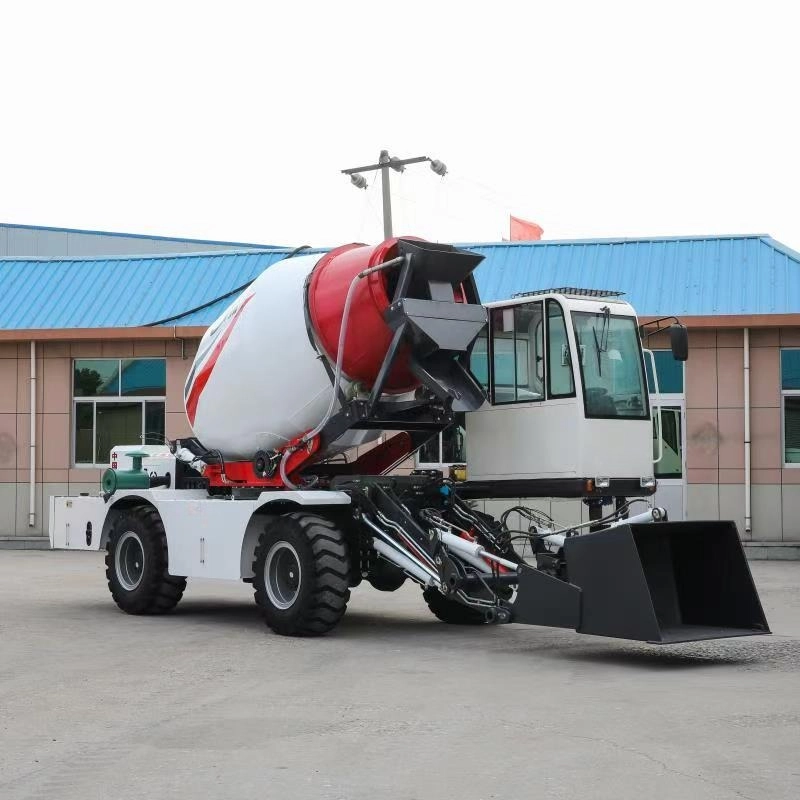
A Self Loading Concrete Mixer integrates loading, batching, mixing, transporting, and discharging concrete in one mobile machine, offering major productivity and cost advantages on site. This all‑in‑one design eliminates the need for separate loaders, mixers, and transport vehicles, reducing labor, fuel, and equipment costs while simplifying logistics. It enables on‑demand mixing directly at the jobsite, ensuring fresh concrete, minimizing waste, and improving quality control with precise batching systems. One operator can complete the entire process, significantly lowering labor requirements and improving safety by reducing manual handling. These mixers are highly versatile and mobile, capable of operating in rugged or remote locations where traditional batching plants are impractical. Their compact footprint and 4WD mobility make them easy to maneuver in confined spaces. Overall, self loading mixers increase efficiency, reduce downtime, and support sustainable construction practices through lower emissions and energy use.
Opting to Rent a Concrete Truck Mixer
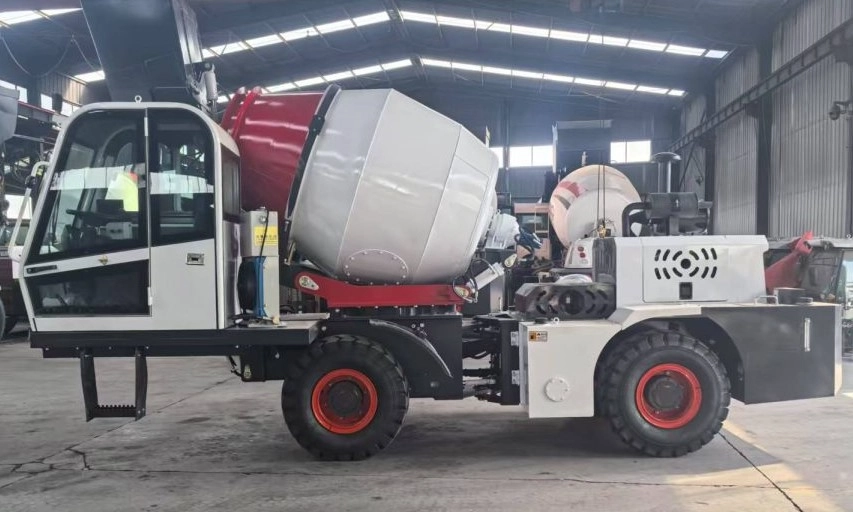
Renting a concrete truck mixer reduces upfront costs and maintenance burdens, making it ideal for short-term projects. However, frequent rentals may cost more long-term. For a 6-month road project, renting offers flexibility without storage or repair hassles.
Why Renting Can Shine
Minimal Upfront Spending: Avoids massive capital outlay immediately.
Newer Equipment Access: Rental companies frequently update their fleets. You often get near-new machines.
Project Flexibility: Perfect for shorter jobs. Also smart when work peaks seasonally.
Maintenance Handled Elsewhere: Return the truck when finished. Forget long-term repair bills.
Where Renting Might Disappoint
Accumulating Expense: Regular rentals can eventually exceed buying costs.
Equipment Shortage Worries: Popular times might leave you hunting for an available unit.
Zero Ownership Equity: Payments cover usage only. You build no asset value.
Real-World Rental Situation
Picture a contractor based in Jakarta. They’ve landed a 6-month road resurfacing contract. Renting makes solid sense here. Why? Once the project concludes, they dodge storage hassles. Costly maintenance duties vanish too.
Deciding to Purchase a Concrete Truck Mixer
Deciding whether to purchase a concrete truck mixer involves weighing long-term savings against upfront costs. This analysis explores the key advantages and challenges of ownership, along with a real-world example to guide your decision.
The Strengths of Buying
Cost Efficiency Long-Term: After the initial hit, per-project expenses fall steeply.
Instant Availability: Your mixer stands ready precisely when needed.
Tailored Configuration: Fit the exact drum size you require. Choose specific chute designs. Install preferred GPS systems. Make it yours.
Tangible Asset Value: Even years later, a cared-for mixer holds resale worth.
The Challenges of Buying
Heavy Initial Price Tag: This can squeeze cash reserves tightly.
Full Maintenance Duty: Repairs, parts sourcing, and operational downtime rest on your shoulders.
Value Decline: Depreciation happens. Heavy usage speeds this up.
Real-World Ownership Situation
Take a sizable construction firm operating in Manila. They handle concrete pours continuously all year. Their projects include multiple housing developments. Owning a mixer, especially a robust one, yields major savings over five years. This model excels in high-use scenarios. Its fuel efficiency further protects your budget.
Rental vs. Purchase: Cost Breakdown
| Factor | Renting | Purchasing |
| Initial Cost | Lower | Much Higher |
| Monthly Cost | Higher (with frequent use) | Lower (after loan payoff) |
| Maintenance | Rental company covers it | Your direct responsibility |
| Availability | Varies (depends on rental stock) | Guaranteed (ready on-site) |
| Asset Value | None | Yes (resale potential exists) |
Practical Guideline:
Under 6 months/year usage? Renting often costs less overall.
Over 8 months/year usage? Buying typically proves financially smarter.
Additional Critical Considerations
Future Work Pipeline: Do you foresee steady mixer-required projects ahead?
Payment Choices: Suppliers like JinChengYu FORKLIFT a often arrange financing solutions.
Operator Training: Owning equipment means teaching drivers and crew proper handling.
Used Equipment Market: Certain areas offer strong resale value for pre-owned mixers.
Meet JinChengYu FORKLIFT: Your Concrete Equipment Ally
JinChengYu FORKLIFT operates beyond basic machinery exporting. They serve as a reliable global partner for contractors.
Their broad supplier network delivers immense value. They supply brand-new concrete truck mixers. Beyond trucks, they offer spare parts. Essential accessories are in stock too. Comprehensive after-sales support completes their package.
Their experienced crew provides:
Sharp Pricing via deep manufacturer ties.
Bespoke Setups matching your project size and ground conditions.
Rapid Delivery powered by solid logistics alliances.
Renting or buying? JinChengYu FORKLIFT assists either way. They ensure you get the correct machine. Timing aligns perfectly with your schedule. The whole process stays smooth.
Final Thoughts
Selecting between renting and buying a concrete truck mixer impacts more than today’s budget. It reflects your business approach. Project timelines weigh heavily. Growth ambitions factor in too.
Short-duration or seasonal jobs benefit from rental agility. Consistent, high-volume work? Ownership usually delivers superior returns. It also grants full operational control.
Either route gains from partnering with experts. JinChengYu FORKLIFT smoothes the journey. They help pick the ideal drum capacity. They coordinate seamless site delivery.
Frequently Asked Questions
Q1: How do I pick between renting or buying a mixer?
Frequent needs tip the scales toward buying. Think over 8 months yearly. Seasonal or single jobs? Renting usually fits better.
Q2: How long might a purchased mixer last?
Good care extends life significantly. A durable model often serves 10–15 years. Usage intensity matters, naturally.
Q3: Does JinChengYu FORKLIFT offer mixer rentals?
JinChengYu FORKLIFT focuses mainly on sales. Yet, they can sometimes link clients with regional rental partners.
Q4: What maintenance does a mixer need?
Regular tasks include lubricating parts. Drum cleaning is essential. Check hydraulic systems often. Inspect brakes routinely. Base frequency on workload—weekly or monthly.
Q5: Are used concrete mixers a smart buy?
Absolutely, if sourced wisely. Choose reputable suppliers like MachPlaza. Demand verified service records. This path offers real savings without sacrificing performance.