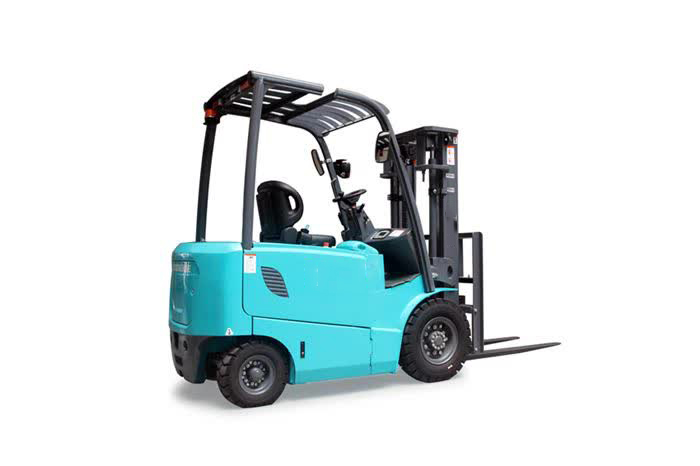
Choosing a forklift mast starts with four measurements: the highest load position, the lowest doorway, the clear ceiling height, and the free lift needed inside containers or under low beams. A mast that reaches the rack but cannot pass through the building is the wrong mast. So is one that blocks the operator’s view all day.
What Is a Forklift Mast?
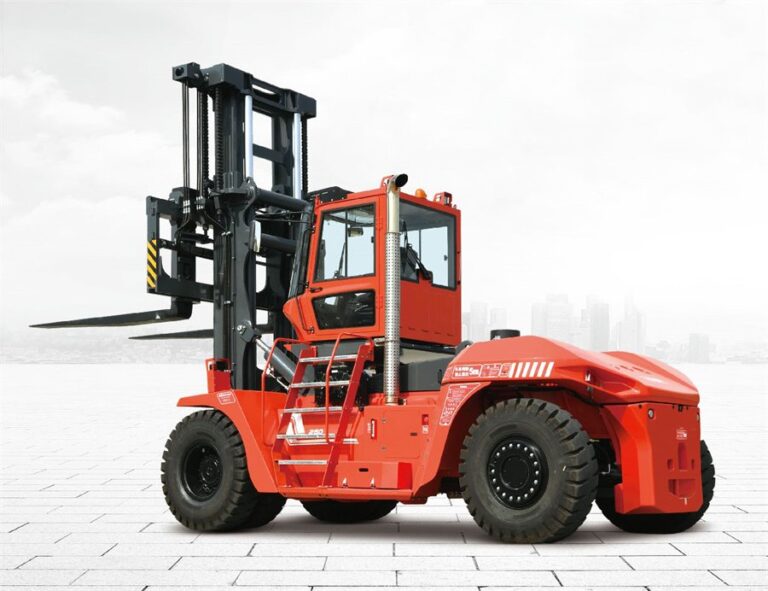
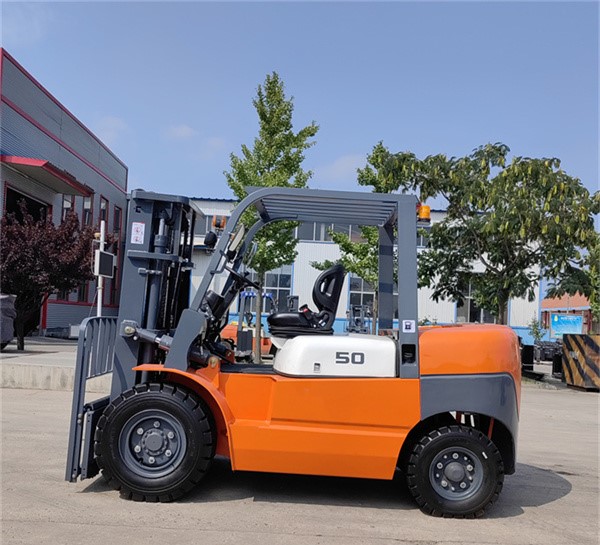
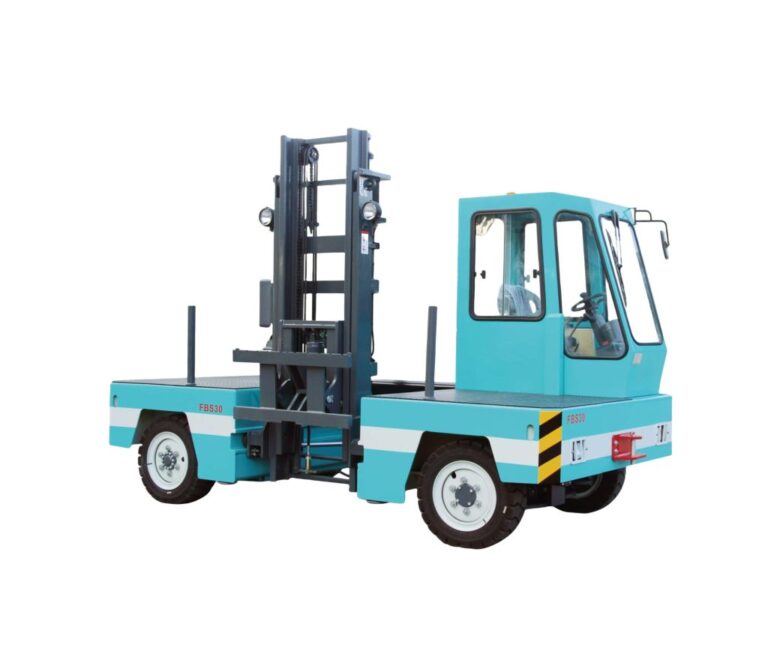
A forklift mast is the vertical assembly that raises, lowers, and supports the carriage and forks. Rails, lift chains, rollers, and hydraulic cylinders work together as the mast moves. The number of nested rail sections affects maximum lift height, collapsed height, free lift, forward visibility, and maintenance needs.
Buyers often compare lift height first. That figure matters, but it is only one part of the fit. A truck may reach a 5.5-metre rack and still strike a 2.2-metre doorway while travelling. The correct forklift mast type must satisfy both numbers.
Key Mast Measurements Buyers Should Know
Before selecting a mast type, buyers should understand the key measurements that determine whether a forklift can operate safely and efficiently in their working environment.
Lowered Mast Height
Lowered mast height is the overall height when the forks and rails are fully down. Measure every point on the travel route: loading-bay doors, freezer entrances, mezzanine beams, trailers, container openings, sprinklers, and hanging lights. Leave a practical safety margin rather than matching the clearance to the last millimetre.
Maximum Fork Height
Maximum fork height is the highest position the fork surface can reach. The required figure should include rack beam height, pallet base height, and enough clearance to enter or withdraw from the load. A top beam at 5,000 mm may call for more than 5,000 mm of fork height.
Free Lift
Free lift is the distance the carriage can rise before the mast sections extend above their lowered height. It matters in containers, trailers, low-ceiling production rooms, and drive-in racking. Without enough free lift, the mast may rise into the roof before the pallet clears the floor.
Extended Mast Height
Extended height is the overall height with the mast raised. Check roof trusses, lights, pipes, and sprinkler systems above the working aisle. This is especially important where the truck lifts near the ceiling.
Simplex, Duplex, Triplex, and Quad Mast Types
| Mast type | Rail stages | Typical strength | Common constraint |
| Simplex | 1 | Simple construction and clear view | Limited lift height |
| Duplex | 2 | Good balance of visibility and height | May offer less free lift than a triplex setup |
| Triplex | 3 | High lift with a relatively low collapsed height | More moving parts and a thicker mast view |
| Quad | 4 | Very high lift where collapsed height is restricted | Greater complexity and deflection sensitivity |
When a Simplex Mast Makes Sense
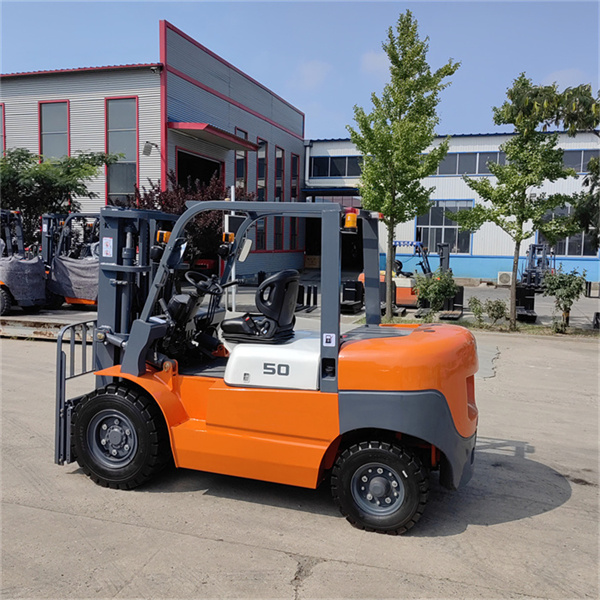
A simplex mast has one main rail stage. It suits low-level handling where the forks do not need to rise far: moving pallets across a factory floor, feeding a ground-level packing line, or unloading in an open yard.
Its uncomplicated structure can give the operator a cleaner forward view. There are fewer nested channels and rollers to inspect. The trade-off is reach. A simplex mast is rarely the right choice when the work includes multi-level pallet racking.
Why Many Sites Choose a Duplex Mast
A duplex mast uses two rail sections. It can serve warehouses with moderate rack heights, outdoor loading areas, and general factory work. Some duplex masts include a full-free-lift cylinder; others begin extending soon after the carriage rises. That detail must be checked on the specification sheet.
Consider a warehouse with a 2,400 mm door and rack positions at 3,500 mm. A suitable duplex mast may pass through the door and reach the rack, provided its lowered height and free-lift arrangement match the route. Measure first. Names alone do not confirm fit.
The forklift product range can be reviewed after the site dimensions and regular load data are recorded.
When a Triplex Mast Is the Better Fit
A triplex mast has three rail stages. It is common in warehouses that need higher lift while keeping the truck low enough for doors, containers, or trailers. Full free lift is often available, which helps operators raise a pallet before the outer mast section moves.
There is a cost. More channels sit in the driver’s sight line. More rollers, chains, and sliding surfaces need inspection. At high lift, mast deflection and residual capacity also deserve close attention. A triplex mast should be selected from the capacity chart at the required height, not from the truck’s ground-level headline rating.
Where a Quad Mast Belongs
Four-stage masts are built for unusually high lift where collapsed height must stay controlled. They can suit dense storage projects with tall racking and restricted access. They are not a default upgrade.
Extra stages add weight, joints, hoses, and rollers. Forward visibility may narrow, and small maintenance faults can become more noticeable at full height. A quad mast needs a careful site study, a level floor, suitable aisle width, and a capacity check at the top working level.
How Mast Choice Changes Capacity
The rated capacity on a forklift data plate applies to stated conditions. A taller or heavier mast can change net capacity. So can high lift, a longer load centre, wider forks, or an attachment. The data plate for the final configuration is the controlling reference.
A simple example shows why. A pallet weighing 2,000 kg may be comfortable at 2 metres but outside the permitted chart at 6 metres. The load has not changed; the stability margin has. Buyers should provide the maximum weight and the maximum height together.
A Site Measurement Checklist
Before requesting a quote, record:
• Lowest doorway and overhead obstruction
• Highest rack beam and pallet base height
• Required free lift inside containers or trailers
• Maximum load weight and front-to-back depth
• Aisle width and turning space
• Attachment type and fork length
• Floor level, gradients, and operating surface
• Hours per shift and indoor or outdoor use
For electric indoor work, compare these measurements with the available electric forklift options. A supplier needs the complete duty profile to select mast height, power system, tires, and capacity as one package.
Common Forklift Mast Selection Mistakes
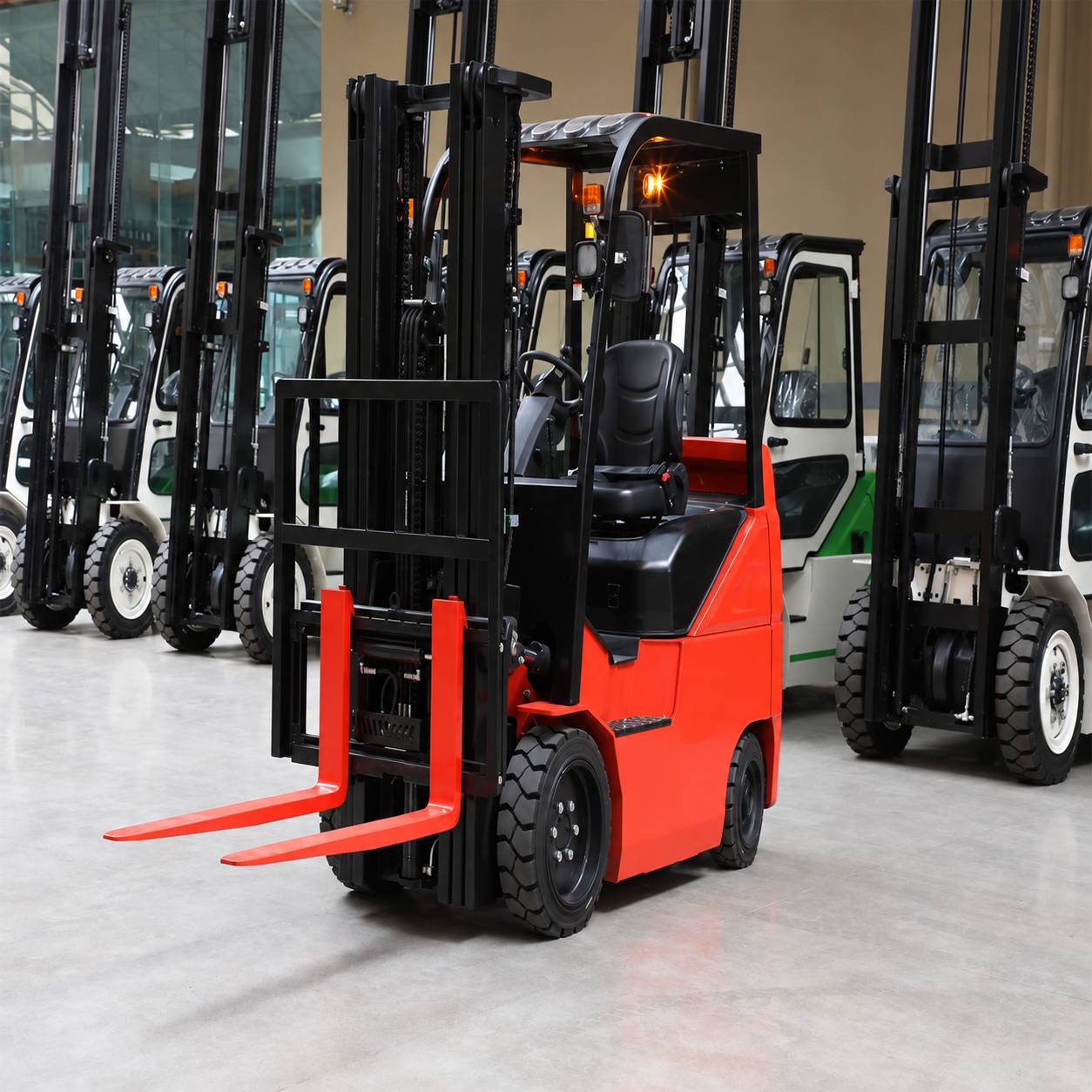
Even with accurate site measurements and a clear understanding of mast types, buyers can still make mistakes during selection. Recognizing these common errors helps prevent poor equipment choices and unexpected operating limitations.
Specifying Only Maximum Lift Height
This misses lowered height, extended height, and free lift. The truck may reach the rack but fail at the first doorway.
Ignoring Pallet Clearance
Fork height must rise above the rack beam far enough to place and remove the pallet. Matching maximum fork height exactly to the beam height leaves no working clearance.
Treating Full Free Lift as Standard
Free-lift arrangements vary. Ask for the actual free-lift dimension and confirm whether the load backrest or carriage becomes the highest moving point.
Forgetting the View Through the Mast
Frequent ground-level travel and precise pallet entry demand good forward visibility. Camera systems may help at height, but they do not replace a clear basic sight line and trained operation.
About JinChengYu FORKLIFT
JinChengYu FORKLIFT is based in Qingdao, China, and supplies material-handling equipment, warehouse equipment, ground support equipment, and spare parts to overseas customers. The company describes sales, after-sales, rental, mixed-order, and pre-shipment inspection support. More background is available on the JinChengYu company page, while project dimensions can be sent through the contact page.
Conclusion
The right forklift mast type fits the whole route, not just the highest rack. Measure lowered clearance, maximum fork height, free lift, and extended height. Then check the capacity chart for the actual load, lift height, and attachment. Simplex and duplex masts suit lower work; triplex and quad masts solve greater height under tighter collapsed-height limits, with added complexity.
FAQs
What is the most common forklift mast type?
Duplex and triplex masts are common in general warehousing. The correct choice depends on rack height, doorway clearance, and whether full free lift is needed.
What is full free lift on a forklift mast?
Full free lift is the carriage travel available before the outer mast height increases. It helps inside containers, trailers, and low-ceiling rooms.
Is a triplex mast better than a duplex mast?
Not automatically. A triplex mast offers more lift for a given collapsed height, while a duplex mast may provide a clearer view and simpler maintenance. Site measurements decide the better fit.
Does a taller forklift mast reduce capacity?
Available capacity can fall at greater lift heights. Read the capacity chart and data plate for the exact mast and attachment configuration.
How much clearance should be left above a forklift mast?
Do not plan to the exact obstruction height. Account for floor variation, mast movement, tires, and operational safety rules. The required margin should be set by the site risk assessment and equipment supplier.