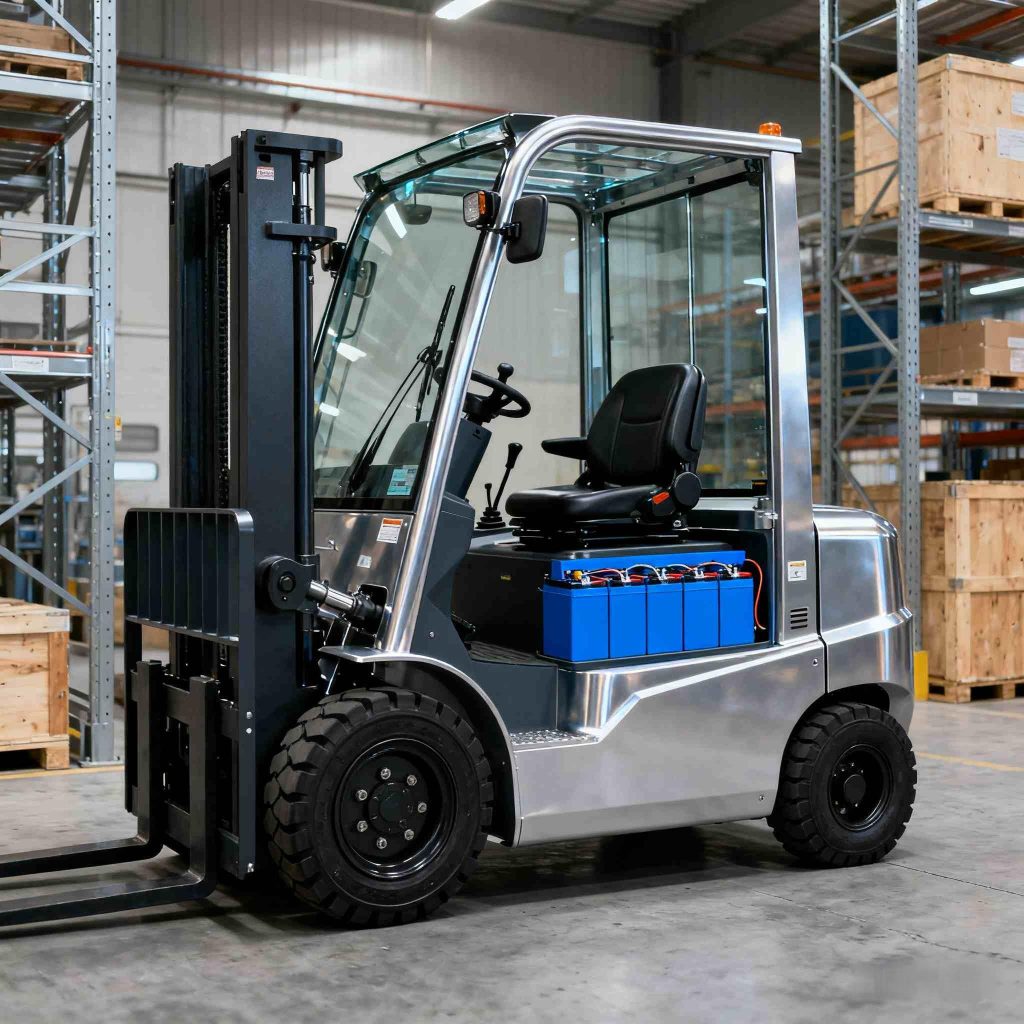
img.Going Green and Saving Green How Electric Forklifts Reduce Your Carbon Footprint and Operational Costs.webp
Why Switch to Electric Forklifts?
If you’re managing a warehouse, construction site, or any spot where heavy lifting happens, you might’ve heard the hype about electric forklifts. They’re not just a cool new trend—they’re a solid shift. With pressure mounting to cut emissions and trim expenses, going electric feels right for businesses wanting to stay eco-friendly without emptying their wallets. Imagine a busy yard once clouded with diesel smoke, now humming with quiet, efficient machines. That’s the change sweeping through industries, and it comes with real perks.
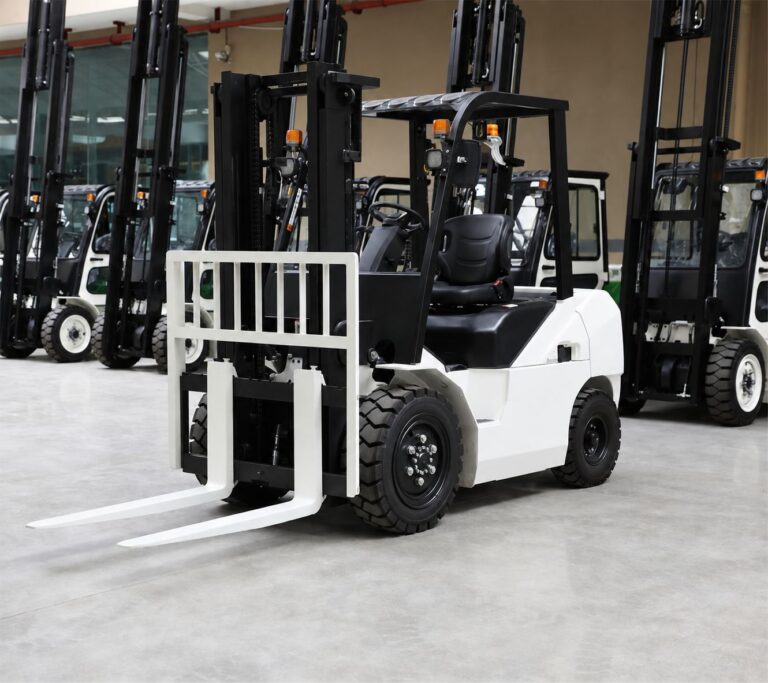
Electric forklifts bring a cleaner option compared to diesel ones. No more choking exhaust or endless refueling breaks. You plug in, charge up, and roll back to work. Operators get less downtime and a fresher workspace. For the planet, it’s a move toward shrinking your carbon footprint. Plus, with energy prices jumping around, the savings over time can pile up. Let’s dig into the details.
Environmental Impact: A Cleaner Breeze
Diesel forklifts, though tough, spew out fumes that pollute the air. In a crowded port or warehouse, that builds up fast—think hazy days and scratchy throats. Electric forklifts run on batteries and don’t release any exhaust. That’s a huge plus for indoor air and outdoor spaces alike.
Take a 5-ton diesel forklift on a 10-hour shift. It might guzzle 10-15 gallons of fuel, kicking out about 200 pounds of CO2. Switch to an electric model, and that drops big time, depending on your power supply. Sure, the grid isn’t flawless, but with more renewable energy popping up, the green benefits grow. It’s a practical choice for anyone serious about cutting their environmental mark.
Cost Savings That Build Up
Let’s get to the money side. Diesel fuel prices swing wild—$4 a gallon one month, $5 the next. An electric forklift might hit your budget harder at first, but the day-to-day costs tell a better story. Electricity often costs less per unit than diesel, and you skip pricey maintenance like oil changes or filter swaps. Over a year, a medium-sized operation could pocket thousands.
Picture a warehouse running three forklifts every day. Switching to electric might slash fuel and upkeep costs by 30-40%, depending on how much you use them. That’s extra cash for new gear or maybe a team pizza party—who knows? The upfront cost pays off, especially with tax breaks for green tech in some areas. It’s not just about being green; it’s about keeping more green in your account.
How Electric Forklifts Outperform Diesel Models
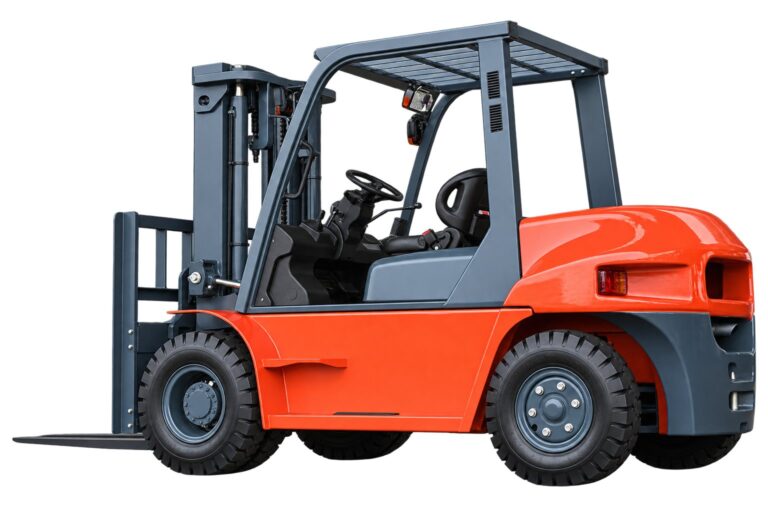
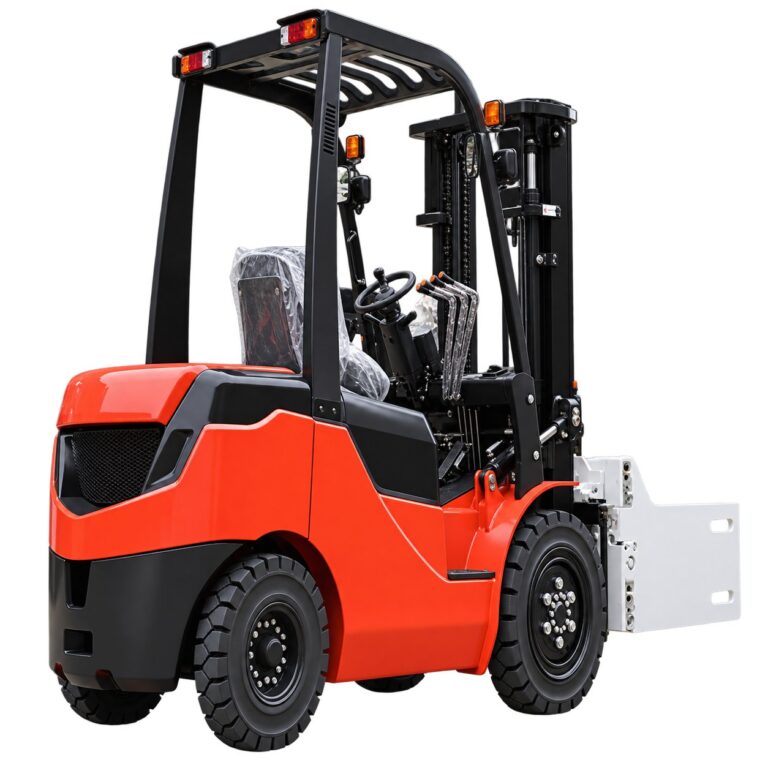
Electric forklifts aren’t only good for the earth—they’re built to handle the heavy stuff. New designs pack serious strength, matching diesel models in lift power and toughness. Here’s how they measure up.
Power and Performance: Stronger Than You Think
Old-school electric forklifts got a bad rap for being weak. Now, models from 3 to 10 tons lift big loads like steel beams or tall pallet stacks with no trouble. Battery tech has leveled up, giving steady power without the diesel growl. On a construction site, that means smooth moves over bumpy ground, no problem.
Take a logistics hub that ditched 5-ton diesel units for electric ones. Workers noticed better grip on sloped ramps, and the machines kept running without a hitch. The trick? Smarter motors that deliver force where it’s needed.
Longer Runtime with Smart Charging
Diesel forklifts brag about long shifts, but electric ones are closing the gap. With fast chargers, you can power up in under two hours—faster than a quick snack break. Charging during lunch or slow moments keeps them going. A 10-ton electric forklift might last 8-10 hours on one charge, fitting most workdays.
You’ll need to plan around charging times, sure. But that’s a small hassle. Some places even add solar panels to juice up their fleet, saving money and cutting emissions more. It works if you’re ready to adjust.
Built to Last in Rough Spots
Toughness? Electric forklifts hold their own. Sealed batteries and sturdy frames tackle dust, rain, or uneven floors. In a shipyard where salt air eats metal, these machines prove their grit. Maintenance is lighter too—no engine oil to change or fuel lines to check.
Cold weather can drain batteries a bit, though. With good storage and a warm-up, that’s no big deal. For most indoor or outdoor jobs, they’re a reliable pick.
Real-World Benefits for Your Business
Switching to electric forklifts isn’t just a feel-good choice—it lifts your bottom line and reputation. Here’s how it plays out.
Reduced Operational Costs
Beyond fuel savings, electric forklifts ease maintenance headaches. No exhaust systems to fix or fuel filters to swap. A mid-sized maker saw service costs drop 25% after the switch. That’s money for hiring or growing, not repairs.
Energy smarts shine too. Regenerative braking grabs power during stops, stretching battery life. Over five years, that could mean thousands saved—enough for a new worker or two. Nice, huh?
Boosting Your Brand with Sustainability
Customers notice green efforts. A company showing off electric forklifts in its fleet sends a message of care for the planet. Imagine a store bragging about zero-emission warehouses online—sales might creep up as eco-minded shoppers take interest.
It’s not all smooth sailing. The upfront price stings, and setting up charging takes effort. Still, the long-term gains—lower costs and a brighter brand—make it worth a look.
JinChengYu FORKLIFT: Your Trusted Electric Forklifts Supplier
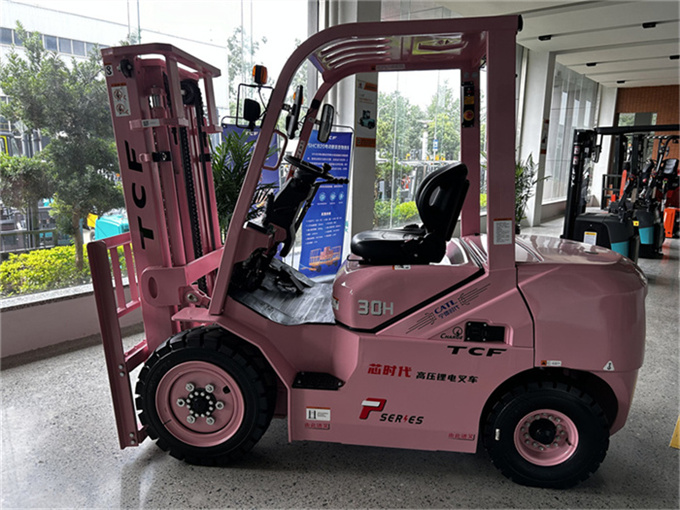
Based in Qingdao, Shandong Province, JinChengYu FORKLIFT stands tall in the materials handling world. With a prime spot offering easy access by land, sea, air, and rail, we’re set to serve markets everywhere. Our know-how covers forklifts, warehouse gear, and spare parts, all made with a focus on quality and happy customers.
We offer a wide range of electric forklifts, from 1-12 ton models built for efficiency and strength. Our top-notch R&D center and solid production setup ensure every unit meets high marks. Whether you need a quiet 3-ton electric forklift for indoors or a hefty 10-ton model for outdoor work, we’ve got your back. Team up with us to build a sustainable, budget-friendly operation.
Conclusion
Switching to electric forklifts is a smart move for any business aiming to shrink its carbon footprint while saving cash. They bring power, durability, and efficiency, lining up with the push for greener work. Sure, it takes some planning to switch, but the payoffs—cleaner air, smaller bills, and a stronger name—make it a no-brainer. Give it a try and feel the difference.
FAQs
What are the main benefits of electric forklifts for reducing my carbon footprint?
Electric forklifts don’t spit out exhaust, making them a key tool for going green. Ditching diesel models cuts CO2, especially with renewable energy in the mix. It’s a real step toward a cleaner setup.
How much can I save on operational costs with electric forklifts?
Savings differ, but many see 30-40% less spent on fuel and fixes. With electricity often cheaper than diesel and fewer repairs, a 5-ton electric forklift might save hundreds a month—add that up over years!
Are electric forklifts as strong as diesel ones for heavy lifting?
You bet. New electric models, like the 5-10 ton range, match diesel power, handling steel coils or big containers with ease. They’re tough enough for construction and storage, no shortcuts.
How long do electric forklifts last on a single charge?
Most run 8-10 hours on one charge, depending on the load. Quick charging during breaks keeps them rolling, though you’ll want a schedule to avoid pauses. It’s doable with a little prep.
Do electric forklifts work well in tough weather?
Pretty well, yeah. They handle rain and dust fine, but cold can zap batteries a bit. Keep them warm and stored right, and they’ll hold up for most outdoor or indoor gigs while cutting your carbon footprint.