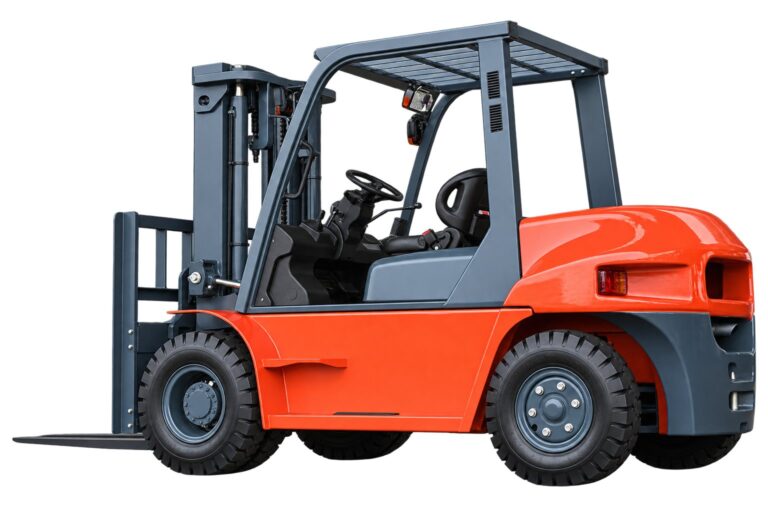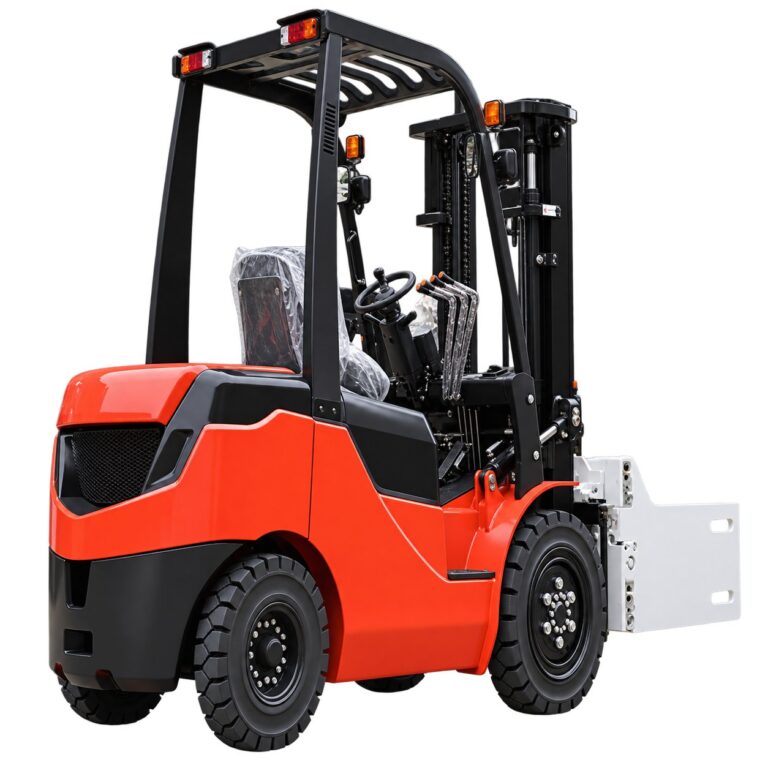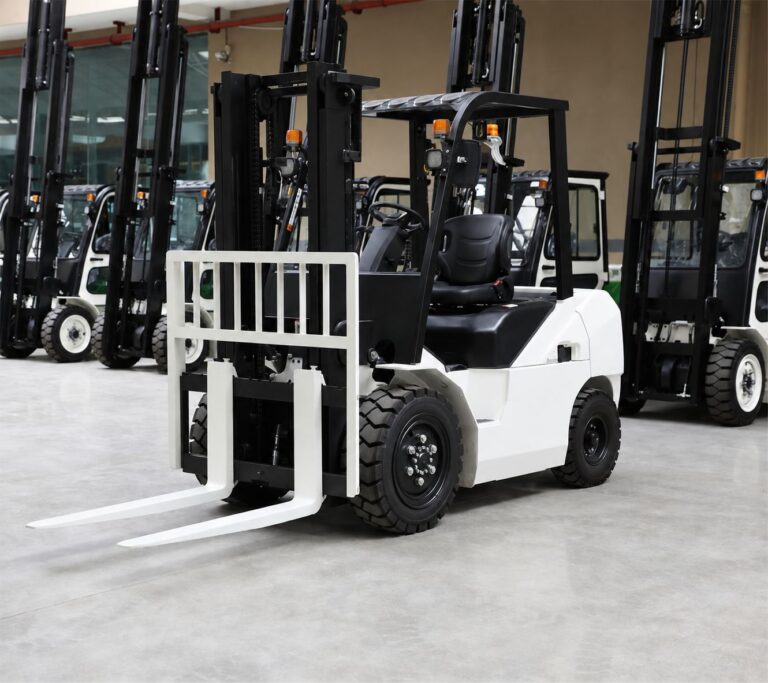
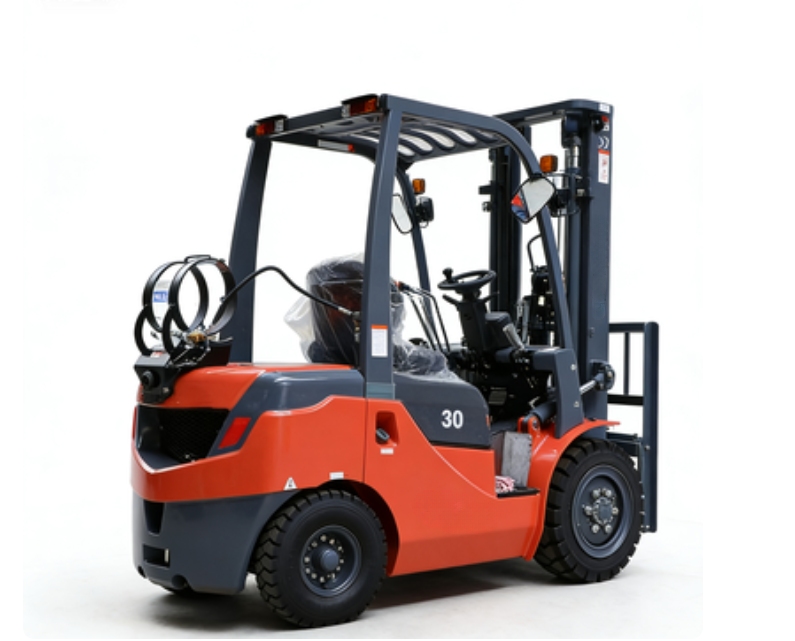
 For many buyers, the first question is simple: can LPG forklifts be used indoors? The honest answer is yes, but not in every building and not under every operating condition. An indoor propane forklift can work well in a warehouse, workshop, or loading area when ventilation is adequate, maintenance is steady, and carbon monoxide risk is taken seriously. That is why the real buying question is not just “Can propane forklifts be used indoors?” but “Is this specific site ready for LPG forklift indoor use?”
That distinction matters because many searchers are not looking for theory. They are trying to decide whether an LPG forklift for warehouse work makes sense in a packaging plant, a raw material store, a wholesale distribution center, or a mixed indoor outdoor forklift operation with frequent dock traffic.
Why buyers ask this question in the first place
The concern usually starts with indoor air. A buyer may have a warehouse with high ceilings but limited crossflow. Another may run two shifts and move pallets between racks, docks, and yard lanes. A third may handle goods inside most of the day but still need the best forklift for indoor outdoor use because trucks are loaded outside when weather changes.
In all of those cases, the machine is only one part of the decision. Building layout, traffic pattern, idle time, shift length, and service discipline all shape whether propane forklift indoors is a good fit. Internal combustion forklifts can create dangerous carbon monoxide levels in enclosed areas, so the right answer depends on the workplace, not just the truck.
Can propane forklifts be used indoors?
The short answer is yes. In properly ventilated facilities, propane forklifts are commonly used indoors and are often chosen for operations that move between inside and outside work zones. That is one reason propane forklift warehouse use stays popular in logistics, manufacturing support, and loading dock work.
Still, “yes” comes with conditions. Are propane forklifts safe indoors? They can be, but only when the site controls emissions, keeps equipment in good condition, and avoids running a propane forklift in enclosed space for long periods. A trailer, a container, a sealed room, or a dead-air corner near a dock door can become a problem much faster than an open warehouse bay. OSHA warns that forklifts powered by internal combustion engines can cause high carbon monoxide levels in enclosed work areas. CCOHS likewise notes that indoor propane-powered equipment needs adequate ventilation and exposure control.
The 7 checks that matter before buying
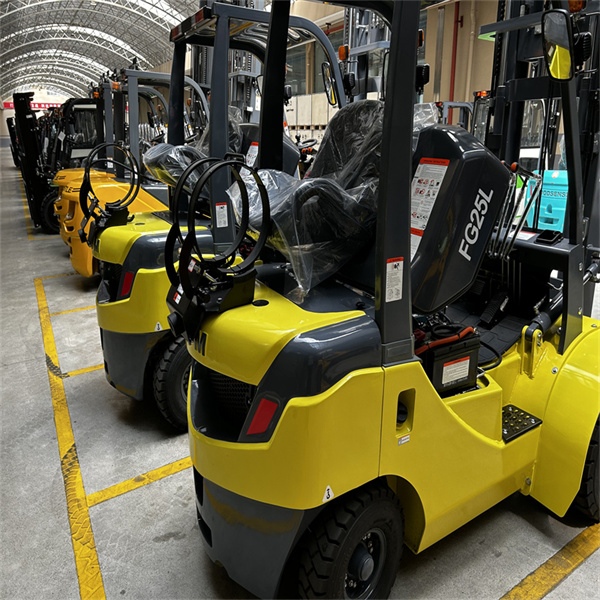
A buying decision gets stronger when it is tied to a real operating checklist. Before choosing an indoor propane forklift, these are the seven checks that deserve attention.
1. Check airflow, not just building size
A large building can still have poor airflow. Wide floor space does not always mean good air exchange.
Look at:
- roof vents and wall openings
- door opening frequency
- fan placement
- rack density
- dead zones near corners or dock shelters
This is the core of propane forklift ventilation requirements. Warehouse ventilation for forklifts is about how fresh air moves through active work zones, not just how big the site looks on paper.
| Site condition | What it usually means for LPG forklift indoor use |
|---|---|
| Open dock doors and regular air movement | Often workable if maintenance is good |
| High-bay warehouse with blocked airflow | Needs closer review |
| Small workshop with little air exchange | Higher caution |
| Enclosed room, trailer, or container | Poor fit for routine indoor propane forklift use |
2. Map enclosed and semi-enclosed areas
This is where buyers often miss risk. A propane forklift may be fine in the main warehouse and still be a poor choice for a trailer-loading bay or narrow indoor staging room.
Common trouble spots include:
- shipping containers
- truck trailers
- basement storage areas
- temporary partitioned work zones
- covered loading tunnels
If the team keeps asking, “Can you use a propane forklift in a warehouse?” the follow-up should be, “Which part of the warehouse?” A propane forklift in enclosed space is a different problem from one moving through a ventilated aisle.
3. Think about cold starts and warm-up habits
Cold starts matter more than many buyers expect. Emissions are often worse when the truck first starts, especially if the machine is idled indoors before the shift begins. A site that starts trucks outdoors and brings them in later is in a better position than one that fires everything up in a closed staging area. WorkSafeNB specifically notes that emissions are higher during cold starts and recommends warming units outside before bringing them into the building.
4. Plan for carbon monoxide monitoring
Do propane forklifts produce carbon monoxide? Yes. That is one of the most important facts in this topic. The point is not to avoid the fact; it is to manage it properly.
A site using propane forklift indoors should think about:
- fixed CO alarms in key work zones
- portable checks during high-traffic periods
- symptom reporting rules for operators
- action steps if readings climb
Propane forklift indoor air quality should never be judged by smell alone. Carbon monoxide has no warning odor, and forklift emissions indoors can build up unevenly depending on air currents and traffic flow.
5. Be honest about maintenance discipline
Well maintained propane forklifts are very different from neglected ones. Tuning, exhaust condition, fuel system health, and regular inspections all affect indoor suitability.
That is why propane forklift maintenance should be part of the buying discussion, not an afterthought after delivery. If a site struggles to keep service intervals on schedule, LPG forklift indoor use becomes a weaker fit. If the service process is tight, the case gets stronger.
6. Match fuel choice to traffic density and shift pattern
One truck working an eight-hour day in a lightly staffed warehouse is not the same as several trucks running across docks on a two-shift or three-shift pattern.
Use this simple screen:
| Operating pattern | What to review before choosing LPG |
|---|---|
| Light indoor use, frequent outdoor travel | Often a strong fit |
| Mixed warehouse and loading dock use | Usually worth serious consideration |
| Heavy continuous indoor use in a sealed site | Compare carefully with electric |
| Long idle periods indoors | Review ventilation and work habits closely |
This is where the debate around propane forklift vs electric forklift indoors becomes practical. Electric may suit fully enclosed, air-sensitive sites better. LPG often stays attractive where fast refueling, stronger continuous work, and indoor-outdoor movement matter more.
7. Decide whether the site is truly mixed-use
Some operations say they are indoor only, but daily reality looks different. A forklift may unload outside in the morning, restock indoor racks at noon, then run pallet transfers through a covered dock in the afternoon. That is exactly the kind of pattern where an indoor outdoor forklift is often preferred.
Typical examples include:
- building materials moving between shed storage and open yard
- beverage or paper goods shipped through busy dock doors
- factory support work linking raw material storage with outdoor receiving lanes
- power and industrial supply sites where forklifts cross between covered and open zones
For those settings, an LPG forklift for warehouse work can make sense because it bridges both environments without the long recharge pauses associated with some indoor-only setups.
When LPG works well indoors and when it does not
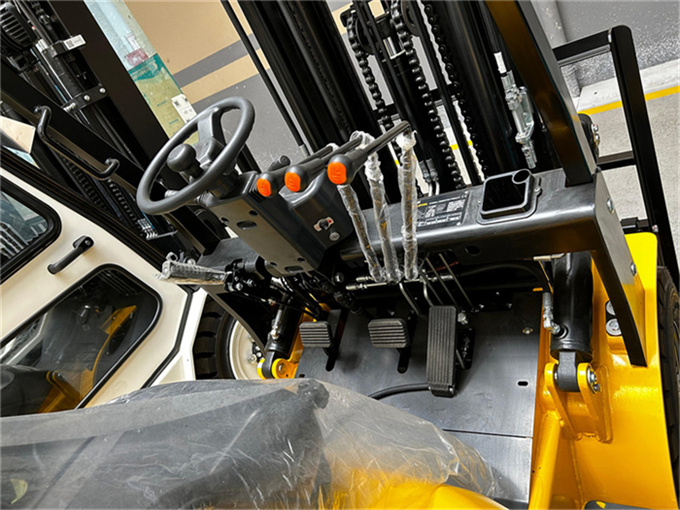
A buying guide should say both.
LPG often works well when the building has reasonable airflow, the operation moves between indoor and outdoor zones, and the fleet needs quick turnaround with minimal fueling delay. It is also attractive where the site wants one machine type for dock work, warehouse moves, and occasional yard travel.
It is a weaker fit when the building is tightly enclosed, the work stays indoors all day, the air is stagnant, or the site has strict sensitivity around indoor emissions.
A practical buyer’s checklist
Before ordering, ask these questions:
- Is there steady air exchange where trucks will work most?
- Will the truck spend time in trailers or enclosed rooms?
- Are cold starts handled outside?
- Is CO monitoring in place or planned?
- Is service carried out on time every time?
- How many trucks run per shift?
- Is the operation truly mixed indoor-outdoor?
If several answers are weak, the site should slow down before choosing an indoor propane forklift.
About JinChengYu FORKLIFT
Before the final decision, many buyers want to know whether the supplier understands export business, mixed applications, and after-sales support. According to its website, JinChengYu FORKLIFT is based in Qingdao, serves overseas markets in materials handling, warehouse equipment, and related spare parts, and presents a broad product structure that includes forklifts, warehouse equipment, cases, and support channels. The company also states that it carries out final inspection and full service on machines before shipment, provides customization, and has built a sales and service network for global customers. Its cases show LPG forklift use in industry settings, including power-related customer applications.
For buyers comparing an LPG forklift supplier, that matters. A supplier should not only quote a machine. It should be able to discuss working conditions, usage pattern, and how LPG forklift indoor use fits the site.
Conclusion
So, can propane forklifts be used indoors? Yes, but the best answer is still site-specific. The strongest buying decisions come from checking airflow, enclosed areas, start-up habits, CO monitoring, maintenance, shift pattern, and real travel routes before the order is placed.
That is also how better content wins search traffic. Buyers do not want a broad sales pitch. They want a clear answer, a realistic checklist, and a supplier that understands how a forklift will actually be used. When an article covers those points in plain language, it speaks to both search engines and serious buyers.
FAQs
Are propane forklifts safe indoors?
They can be safe indoors when ventilation is adequate, the truck is properly maintained, and carbon monoxide exposure is monitored and controlled. They are not a blanket fit for every enclosed area.
Do propane forklifts produce carbon monoxide?
Yes. That is why propane forklift indoor air quality has to be treated as an operating issue, not just a machine feature issue.
Can you use a propane forklift in a warehouse every day?
Yes, many sites do. The key question is whether the warehouse has the airflow, operating habits, and maintenance discipline to support safe daily use.
Is LPG better than electric for indoor work?
Not always. For fully enclosed, air-sensitive spaces, electric may be the better option. For mixed-use sites that need fast refueling and regular indoor-outdoor movement, LPG may be the better match.