
If you’re looking for a telescopic handler, or telehandler as folks call it, picking the right one can seem like solving a riddle on a hectic work site. These handy machines mix the stretch of a crane with the ease of a forklift. They work well for building jobs, farm work, and factory tasks. You might use one to hoist boxes up to a high platform or shift hay stacks over bumpy ground. A solid telehandler buying guide clears up the confusion. At JinChengYu FORKLIFT, we’ve noticed how a good pick ramps up work speed—take a peek at our telescopic handler category for choices that match everyday jobs.
This guide pulls from real work know-how and hands-on tips. It walks you through the basics, traits, and ways to dodge usual mistakes. We keep it simple. When you’re done, you’ll see a better way to choose a machine that pulls its weight without costing too much.
Understanding Telescopic Handlers
Telescopic handlers catch your eye because of their long arm that stretches out. This lets them pick up stuff high up and far away, no need for extra gear. Picture them as a multi-tool for moving things—they can switch parts like prongs, scoops, or stands in no time.
Yet, not every telehandler fits the bill the same way. Some do great in narrow city spots. Others handle tough open areas. For example, on a tall building job by the sea not long ago, workers used one with a 13.5-meter rise to set steel bars in place. It saved a bunch of time over old cranes. That’s the sort of speedup we mean.
Key Factors in Choosing a Telehandler
Begin with what your work area needs. Are you on smooth storage floors or rough build zones? This affects tires to motor strength.
Load Capacity and Lift Height
How much it can carry comes first in checking telehandler specifications. You want a unit that takes your biggest weights without flip risks. Say, ones good for 3.5 tons work for light stuff like wood piles. But for stone blocks or tools, go for 4-5 tons.
Rise height links right in—think reaching 17 meters for a big building. Numbers from build reports say wrong matches lead to 20% lost time. Check weight graphs always. They show how much you can lift drops at full stretch. A good idea: try a test model where you work. It’s better than just reading papers.
More than just figures, think how these play out each day. A taller rise might look extra until you’re on a hill, where steady hold matters most.
Forward Reach and Maneuverability
How far it stretches ahead sets how much you can do without moving the whole thing—key for quick work. A 13-meter stretch, for one, lets you empty trucks from one place. It cuts shift time.
Ease of movement helps in small spots. Seek compact telehandler types with turn circles under 4.5 meters and different steer ways: front wheels for paths, all four for close turns, side step for edge moves. On a farm I stopped by last year, a quick model darted through sheds without bumping feed holders. Small stuff like that builds up over the day.
Remember ground space too—420 mm or higher deals with bumpy land without drags.
Engine Type and Power
Many heavy duty telehandlers use diesel for pull in hard places. Motors around 85-92 kW give the push for climbs or heavy drags. Gas use counts as well. New setups can drop use by 15%, from on-site checks.
If sound or fumes worry you, look at rules like Euro 3 or EPA 4. One driver shared his old machine drank gas on full days, but a boosted diesel fixed that.
This ties into land handling, where wheels and drive parts make or break how it runs.
Terrain Compatibility and Drive Systems
Bumpy areas call for all-wheel drive and big wheels (like 17.5-25) to grab mud or rocks. Fluid drives give even control, good for exact spots.
For hills, body tilt up to ±9° keeps weights level. Imagine a sloped fruit field: no tilt means spills. Right picks here stop crashes and make the machine last longer.
Attachments and Versatility
A fine telehandler attachments guide stresses fit. Prongs for stacks, scoops for loose bits, or stands for people—make sure fast swap setups.
On farms, changing to a bundle holder makes one unit do many jobs, saves on more tools. All-around use returns cash; one check found it ups return by 25% in mixed work.
With those points set, let’s look at kinds side by side, using actual types to show differences.
Types of Telehandlers: A Comparison
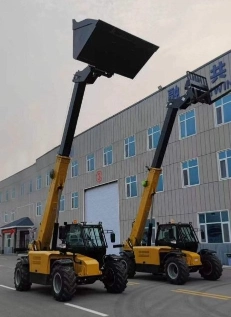
Telehandlers show up in small, middle, and tough builds. Here’s a fast chart to sort them, from usual details:
| Model Type | Load Capacity | Max Lift Height | Max Reach | Ideal Use | Key Feature |
|---|---|---|---|---|---|
| Compact Telehandler (e.g., 3.5T, 7m) | 3.5 tons | 7 meters | 3.6 meters | Farms, small sites | Tight turning radius (4.25m), agile in confined spaces |
| Mid-Range (e.g., 3.5T, 10m) | 3.5 tons | 10 meters | 5 meters | Construction, warehouses | Hydrostatic drive for precise control on uneven ground |
| High-Reach (e.g., 4T, 13.5m) | 4 tons | 13.5 meters | 8.5 meters | Building projects | Outriggers for stability at height |
| Heavy Duty Telehandler (e.g., 5T, 17.5m) | 5 tons | 17.5 meters | 13 meters | Industrial, infrastructure | Cummins engine for reliable power in tough conditions |
This chart points out swaps: small ones for speed, big ones for strength. Choose from your main jobs—too much wastes cash, too little annoys teams.
Changing focus, money plays a large part, but not just the buy price.
Cost Considerations and Ownership Tips
Start prices for a strong telehandler for construction run $80,000 to $150,000, based on size. Add in gas (diesel at $4/gallon avg), fixes (year checks over $1,000), and sell-back worth.
Second-hand cuts cost 30-50%, but check wear—arms and fluids first. Loans spread pays; one builder I know rented to try before full buy.
Over time, easy-care builds with tough pads cut stop time. And grab covers; they handle surprises like fluid drips.
Safety stays important too.
Safety Features to Prioritize
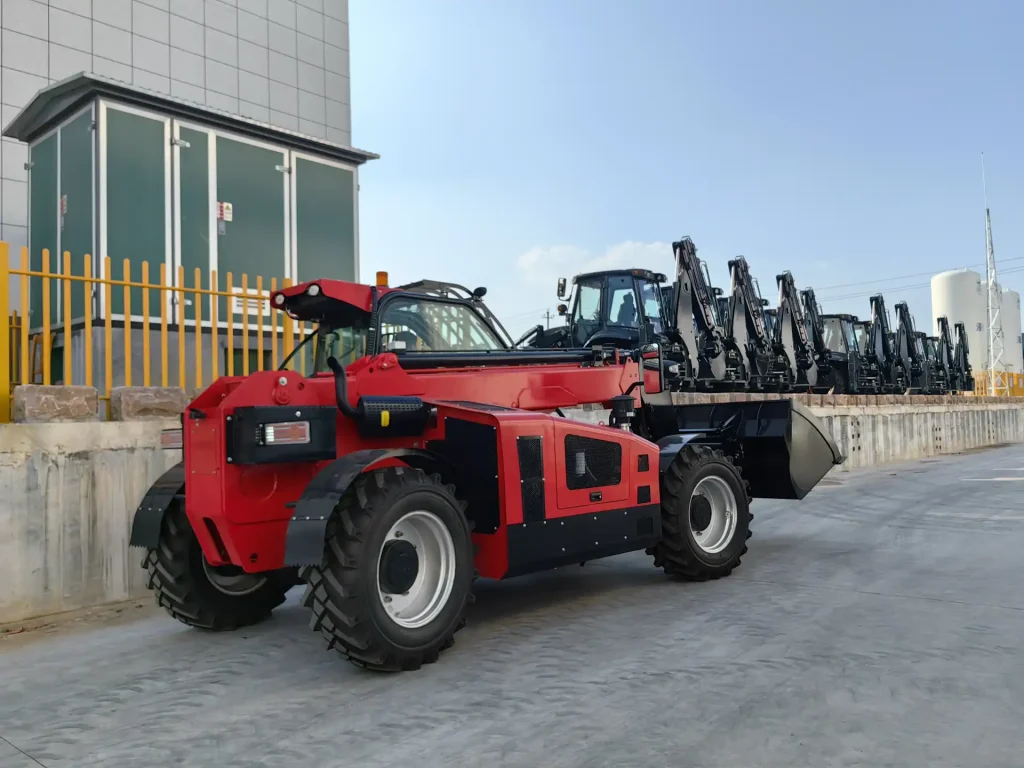
New telehandler safety features have roll guards and drop shields to block flips or falling bits. Weight stops halt rises if too heavy, avoids tips.
Views, sounds, and steady setups add help. In a gusty ship yard case, body level kept a weight from swing risks. Train drivers always—work stats say trained folks drop mishaps by half.
I sometimes think if people skip this, but it pays off.
Introducing JinChengYu FORKLIFT as a Telescopic Handler Supplier
In Qingdao, China, JinChengYu FORKLIFT has earned trust since 2002 in moving gear. They stress good build and happy buyers, with lines from 1-48 ton lifts to special telescopic handlers. A world net backs sales, rents, and bits. Their study center makes sure units hit world marks for gas save and strength. For sturdy picks, check their stock at JinChengYu FORKLIFT products—they push fair deals with fair costs and full help after buy.
Conclusion
Choosing a fine telescopic handler comes to fitting details to your work, from lift height comparison to ground match. Smart picks raise work flow and safety. Set to go? It could change your hard tasks.
FAQs
What should I look for in a compact telehandler for sale?
Look at ease of move and add-ons. Take a 3.5-ton type with 7-meter rise and side steer. It does well in close areas like sheds or town builds. It gives all-around use without losing strength.
How do telehandler lift capacity charts help in buying decisions?
These graphs show safe weights at varied highs and stretches. They stop overloads—like from 4 tons low to 1 ton full out. This keeps steady and follows rules on sites.
Are heavy duty telehandlers worth the investment for construction?
Yes, if you move big weights often. A 5-ton with 17.5-meter stretch handles tall builds or heavy stuff quick. Add-ons like legs cut setup and boost safety.
What maintenance tips extend a telescopic handler‘s life?
Check fluids regular, look at wheels, and tune motors. Tough pads can cut wear 20%, from site info. This keeps breaks short.
How can I get more info on telehandler buying tips?
Ask through contact us for custom help, or see true cases at JinChengYu FORKLIFT.