Ever squeezed through a packed warehouse, dodging stacks and wondering why it’s all so cramped? If you work in shipping or handle storage, you’ve likely thought hard about the best gear to shift goods without wasting bucks or room. Today, let’s tackle the battle between reach trucks and forklifts. Does a reach truck really beat the old-school forklift on saving area and dough? We’ll go through it bit by bit, pulling from actual warehouse scenes I’ve come across. No nonsense—just real talk on what hits your pocket.
Understanding the Basics
Let’s keep it straightforward. These rigs aren’t just chunks of steel; they’re the heart of how stuff moves in storage spots, plants, and lots. But they fit different jobs.
What Is a Reach Truck?
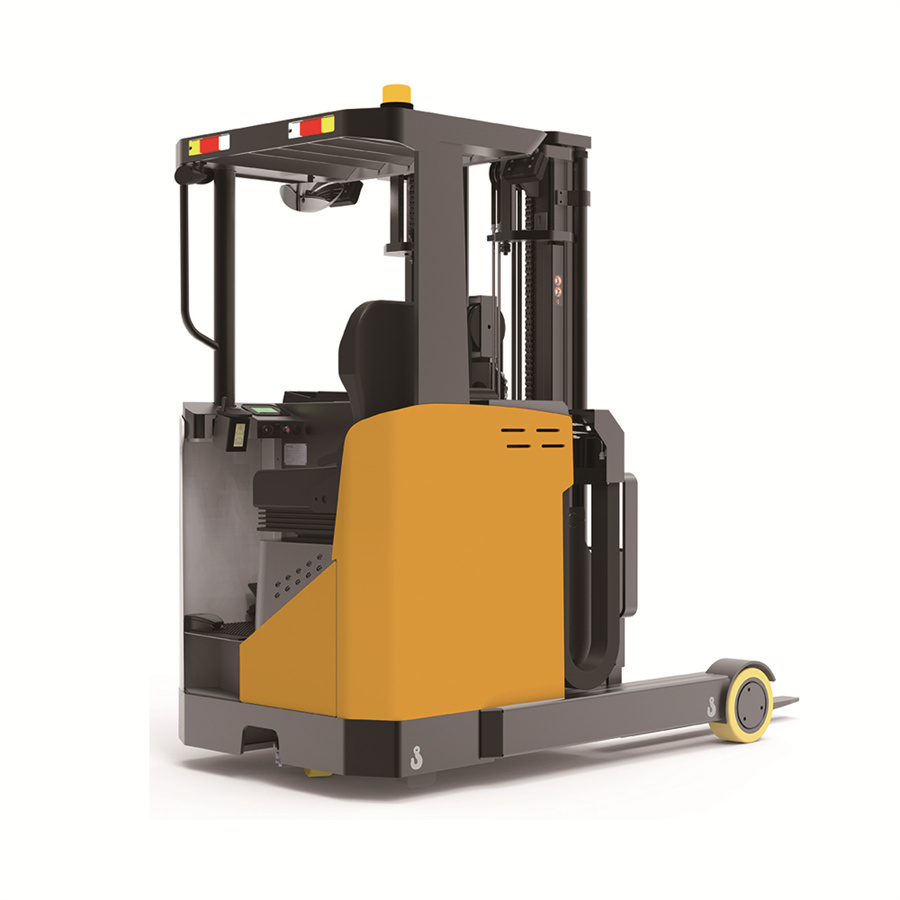
Imagine a nimble rig cruising narrow paths, grabbing high-up items like it’s easy. Reach trucks suit inside work, especially where space is tight. They push their forks out to snag loads. That lets them pile tall and slip through slim lanes.
Main traits include:
- Tall lift heights—up to 10.5 meters in types like the RT16A or RD14-A. Great for stacking up.
- Weight limits from 1,400 kg to 2,000 kg. They manage regular pallets no problem.
- Battery power, often with hefty packs (480Ah-600Ah) that use little juice, around 2.52 kWh a go.
- Tight turns and stacking at right angles. They work in paths as narrow as 2.5-3 meters.
I’ve seen these buzzing in a shipping hub once. Drivers zipped around, piling crates sky-high without a bump. It’s like they were made for squeezing max from height instead of spread.
What Is a Forklift?
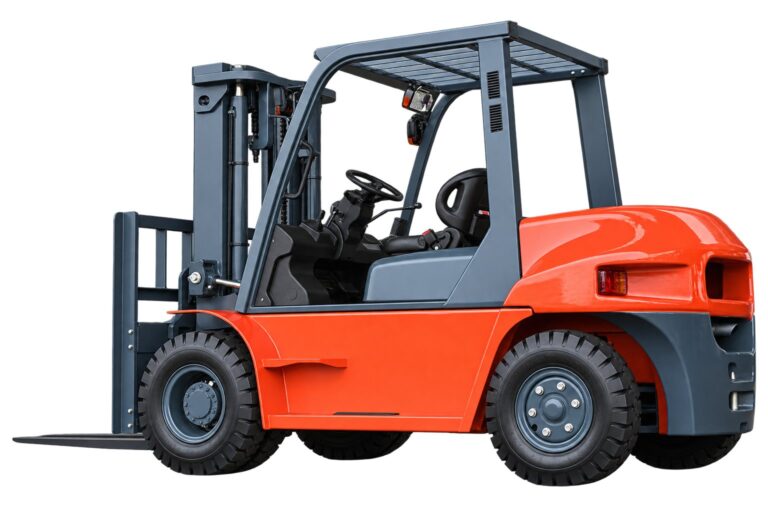
Switch to the tough guy: the balanced forklift, usually diesel-fueled for big hauls outside. These machines focus on strength and flexibility. From the info, consider versions like the FD15-X30 or beefier ones to 30 tons.
What jumps out:
- Diesel motors giving strong pull for weights from 1.5 tons to 30 tons. Perfect for building sites or docks.
- Long run times. Fill up quick, no hanging around like with charges.
- Solid builds that take bumpy ground, dirt, and rain. Air-filled tires grip rough spots.
- Stuff like fluid lifts for easy raises, comfy seats, and safety bits like weight guards.
Yeah, they’re powerhouses. But in snug indoor areas? They need extra space to swing, often 3.5-4.5 meters wide paths. A friend in digging swore by his 5-ton diesel for moving rock. Sturdy as heck, but it’d mess up a small storage place.
Space Savings: Who Wins the Tight Squeeze?
Room is cash in storage. Rent costs a lot. Fitting more stock in less spot can cut bills big time. So, how do these pair up—really?
Reach trucks stand out with their setup. The outreach mast grabs deep shelves without the rig creeping in. In usual setups, you can trim path widths by 20-30% over forklifts. Say your forklift wants 4 meters to twist and stack. A reach truck might handle it in 2.7 meters. Adds up quick. In a 10,000-square-foot spot, going reach could open room for 15-20% more pallet spots.
Forklifts? Bulkier. The back weight calls for wider swings. Not as quick in close quarters. Fine for open lots where room’s plenty. But inside, you end up with empty halls. I’ve spotted places redo whole plans for forklifts. That meant losing good storage area.
To see it clear:
| Aspect | Reach Truck | Forklift (Diesel Counterbalance) |
| Aisle Width Required | 2.5-3 meters | 3.5-4.5 meters |
| Max Lift Height | Up to 10.5 meters | Typically 4-6 meters (varies by model) |
| Storage Density | High—deeper, taller racking | Medium—wider aisles limit density |
| Best For | Narrow-aisle warehouses | Open yards or mixed environments |
In the end: If your job’s about jamming in more without growing the building, reach trucks win on space easy. Not just talk. A guy in online sales said they upped stock hold by 25% after swapping forklifts for reach ones in their packing spot.
But hey, it’s not always cut and dry. Sometimes you gotta factor in floor type. Slippery concrete? That changes things a bit. Reach trucks with their slim tires might slip if not careful. Forklifts, with chunkier wheels, hold better there. Just a thought from seeing a wet warehouse floor cause slips once.
Money Matters: Initial Costs, Operations, and Long-Term Savings
Alright, space is key—but your cash? Let’s look at figures and cases. At first, forklifts might look cheaper. Basic diesel kinds start at $20,000-$30,000 for middle ones. Reach trucks? They go $25,000-$40,000. Blame the outreach parts and power packs.
But wait—that’s just the buy price. Running costs spill the beans. Reach trucks run on juice, so no gas tabs. With use at 2.52 kWh and 20% less draw, daily bills drop. Upkeep’s easier too. No oil swaps or smoke fixes. Over five years, you could pocket $5,000-$10,000 each on power and fixes.
Forklifts gulp diesel. That piles up in full days. Quick fills, sure. But at $4-$5 a gallon? Hundreds a month in busy use. Tough for hard tasks, but bits like wheels and motors wear quick outside. Yet, if hauling 10+ tons often, diesel’s kick makes sense. No mid-shift battery changes.
Quick split:
- Energy/Fuel: Reach trucks: Juice, ~$0.50-$1 hourly. Forklifts: Diesel, $2-$4 hourly.
- Maintenance: Reach: Less, battery stuff. Forklift: More from motor mess.
- Space-Related Savings: Reach trucks skip building add-ons. One report I saw figured $1-$2 per foot yearly.
- Productivity: Both speed work. But reach trucks cut trip time in snug spots. Maybe 10-15% extra grabs per day.
In a true story—a snack shipper—they switched to reach trucks. Trimmed worker pay by better paths. Yeah, upfront bite hurt. But in two years, area and power wins covered it. Forklifts shine if your place is mostly outside. No charge waits mean more hours up, saving on down time cash.
And don’t forget training. Switching gear means teaching folks. That costs too, but pays back in fewer mishaps. I recall a plant where bad training led to a tip-over. Cost them a bundle in fixes and lost days. So, factor that in your math.
When Should You Pick One Over the Other?
It comes down to your setup. High roofs with lots of shelves? Go reach truck—it saves area and bucks inside. Rough dirt, heavy outdoor pulls? Forklift’s pull and toughness stop pricey breaks.
Blend them if possible. Some places use both: forklifts at loading bays, reach trucks in store zones. Helped a factory I knew cut total bills 18% by fitting rigs to jobs. Training counts; folks need the know-how to dodge wrecks.
Oh, and weather matters. Battery reach trucks dislike wet. Diesel forklifts brush it off. Small stuff like that can tip your choice. Like, in rainy spots, forklifts keep going while reach ones sit dry.
Introducing JinChengYu FORKLIFT as a Reach Truck Supplier
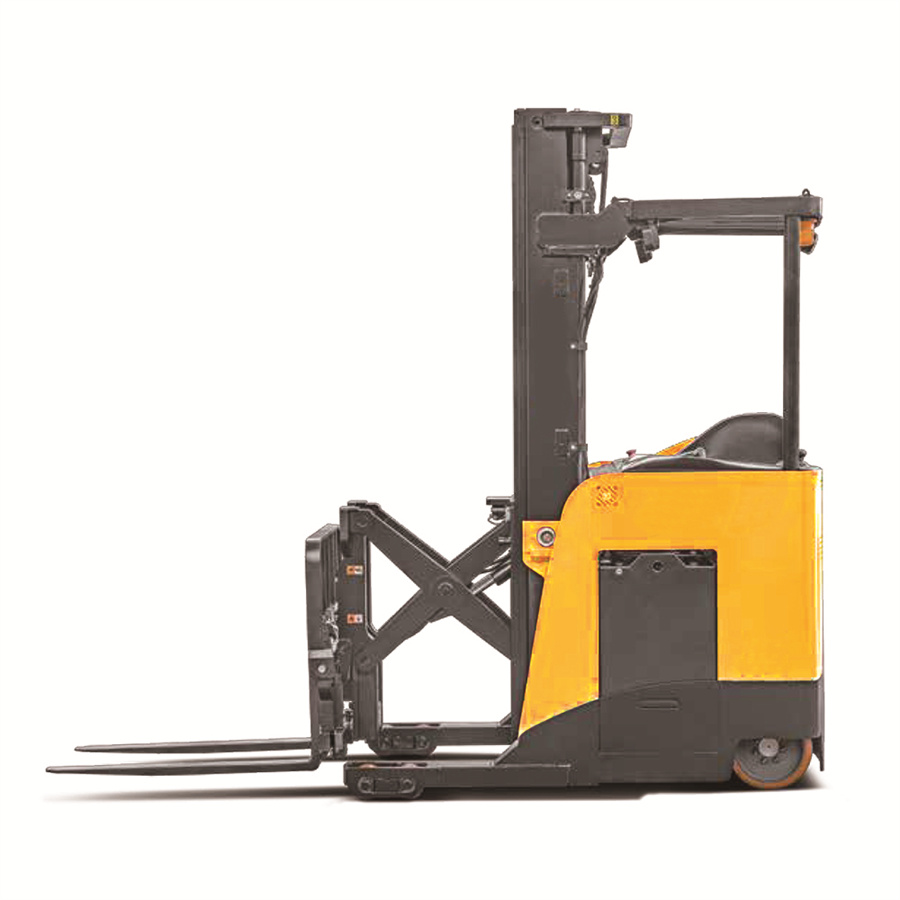
If reach trucks catch your eye, look at JinChengYu FORKLIFT. Out of Qingdao, China, they handle materials gear, shipping global from South America to down under. Their stock has electric reach like RT and RD lines, built for slim paths and tall lifts. Plus full diesel up to 48 tons. What makes them different? Firm grip on quality—each rig gets a last check before going. They do sales, leases, and fix-ups, so getting good tools is simple without fuss. Be it narrow double-reach or big diesels, options match your area and wallet.
Conclusion
To sum up, reach trucks usually win on area and cash in inside, packed spots—slimmer paths, higher piles, and battery thrift make them wise. But forklifts hold strong; their kick fits tough, outdoor work where brawn beats small size. Check your job needs. Maybe mix works best. Right rig can change your flow.
FAQs
How does a reach truck vs. forklift comparison impact warehouse space utilization?
In a reach truck vs. forklift face-off, reach trucks let slimmer paths (about 2.5-3 meters) and taller stacks to 10.5 meters. That ups area use by 20-30%. Forklifts want more room but tackle mixed ground better.
Which is cheaper to run long-term: reach truck or forklift?
When matching reach truck vs. forklift on cost wins, reach trucks pull ahead with battery power slashing fuel by up to 75%, and less fixes. Forklifts might rack more daily but rock steady heavy runs without charges.
Can a reach truck save more money than a forklift in small warehouses?
Yup—in the reach truck vs. forklift talk, reach trucks save more area and dough in tight places by maxing up storage and cutting power use. Could cover higher buy in 1-2 years via better work.
What load capacities differ in reach truck vs. forklift?
Reach trucks manage 1.4-2 tons smooth for inside piles, while forklifts do 1.5-30 tons for bigger, outside pulls—big when picking what saves area and cash per your wants.
Are there safety differences in reach truck vs. forklift operations?
Both stress safe, but reach trucks have pads and comfy setups for close areas, maybe cutting wrecks in slim spots and saving bucks on stops over forklifts in bumpy places.