Have you ever got stuck deep in a building job? You look at a stack of cement sacks. You wish for a better way to blend and shift concrete without so much trouble. That is when self loading concrete mixers step up. These machines really help out folks in the construction field. They aid small groups mending country lanes. They also support large squads on city builds. In this write-up, we look close at everything you need to know about self loading concrete mixers. See it as your map for picking wiser on the work area. We will go over the simple stuff, the main traits, actual advantages, and tips too for choosing one that suits you. Hang in there. You could spot that single bit that cuts lots of hours and effort from your upcoming task.
What Exactly is a Self-Propelled Concrete Mixer?
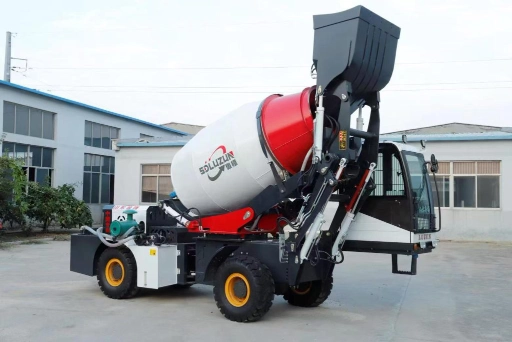
In short, a self-propelled concrete mixer acts like a moving concrete factory with tires. Unlike those old fixed mixers that stay put and wait for you to drag stuff over, this unit rolls itself about. It picks up parts, stirs them right away, and dumps fresh concrete where you want. It is sort of a lorry with a built-in stirring barrel. Yet it moves quicker and tougher over bumpy spots.
Imagine this. You are out in a remote spot fixing a bridge. The closest concrete seller sits miles off. A self-propelled mixer allows you to grab sand, rocks, cement, and water on site. You mix it fast, and start pouring without much fuss. These units often use diesel motors for strong push. And they handle rough ground well. Think soggy fields or steep slopes that would stop a normal truck.
How Does It All Work?
Let us break it down one part at a time. To start, the loading side. Most types have a powered scoop or bucket up front. It grabs materials straight into the barrel. No extra machines or hand shoveling needed. That saves on workers a lot. Once in, the barrel – often a double cone with twisting blades within – begins to turn. Water comes in through a pump that sucks from a holder or close source. All mixes even as the blades spin.
The moving part? That is the self-propelled trick. A solid 4×4 setup drives it all. Gears let you go slow for exact moves or reach 15-20 miles per hour on level paths. Brakes stay strong too. They often come with double setups for safety with a full weight. And if you have run a forklift in close spaces, you will like the jointed steering. It spins tight, even with tons of damp concrete splashing inside.
One odd thing I heard from drivers: at times the barrel’s rounded base stops stuff from clinging. But in very damp air, you might see some stick. Just a note from real use.
Key Features That Make These Mixers Stand Out
Self loading concrete mixers do more than just stir. They pack traits that fix common site issues. Here is a list of what to check:
- Engine and Power: Many have diesel motors giving 70-100 horsepower. For instance, a usual setup might push 78 kW with twist near 330 Nm. Enough to go up hills while loaded without halt.
- Drum and Mixing Capacity: Barrels go from 2,000 to 5,000 liters in size. But real output each time often hits 1.5-3.5 cubic meters. The inner twists make sure even blends. They spin at 15-20 turns a minute.
- Mobility and Drive System: All-wheel drive comes standard. With gear parts that spread twist. Tires stay heavy-duty, like ones rated for over 2,800 kg each. So they hold on loose stones or wet soil.
- Hydraulics and Controls: Open flow hydraulics cool well. Cabs often include stick controls for grabbing, stirring, and dumping. Some add cooled rooms with movable seats. Since no one likes to drip sweat over a full day.
- Safety and Maintenance: Traits like weight limit guards, quick stops, and easy reach filters keep runs smooth. Fuel holders take 100 liters or so. That means less fills on busy days.
To show clearer, look at this fast compare chart of common specs from known types:
| Feature | Entry-Level Model | Mid-Range Model | Heavy-Duty Model |
|---|---|---|---|
| Batch Output | 1.2-1.5 m³ | 1.6-2.5 m³ | 3.0-3.5 m³ |
| Engine Power | 60-70 hp | 75-90 hp | 100+ hp |
| Max Speed | 15 km/h | 20-25 km/h | 25-30 km/h |
| Operating Weight | 4,500 kg | 5,800 kg | 8,000 kg |
| Load Capacity | 3,000 kg | 3,900 kg | 5,500 kg |
These figures can change. But they show how bigger means more strength for large tasks. And a quick aside: if you work in a loud city spot, seek types with softer exhaust. It helps with folks nearby.
The Real Benefits for Your Construction Projects
Why pick a self-propelled concrete mixer? Easy. It trims time and cash. On a normal road fix, you might cut 30-50% off worker needs. One driver can manage grab, stir, and shift. No hold for late trucks or extra fees for far spots.
Think of a true case. Say, setting bases in a hilly area. Old ways mean many runs with carts or rent a pump rig. With a self-propelled mixer, you blend lots on spot, pour straight, and go ahead. Folks say they make up to 10-15 lots a day. Each gives fresh concrete that hits good marks without split.
For the earth, they do okay too. New diesels meet air rules. And by cutting trips, you burn less fuel total. Plus, exact water handle means less scrap. No too wet blends that break later.
But truth be told, they fit not every task. If your area stays very tight, like inside fixes, a small carry mixer might win. Yet for outside, off-path work, these units stand out.
Where Self Loading Concrete Mixers Shine in Action
These mixers do best where flex rules. Country setup? Yes – like laying town tracks or mending water lines. City mends? Sure, such as patching walks or small add-ons without jamming roads.
In growing spots, they change things for fast aid in bad events. They stir concrete quick for short-term homes. Builders in Southeast Asia use them on isle jobs where sending ready mix turns tough. And in mine work, they deal with rock-heavy blends for site strength.
One neat case: a team in hills used one to pour bridge bases. They went over steep ways that would halt a standard lorry. End? Job done two days soon, under cost.
Tips for Picking the Perfect Self-Propelled Concrete Mixer
Hunting one? Begin with what you need. Lot size counts – avoid too big if small tasks; it wastes gas. Test ground fit: 4×4 must for bumpy land.
Money side, basic ones cost $20,000-40,000. But add upkeep. Seek covers on powered parts, as they wear hard. And try a drive if you can – sense how steer feels with weight.
Handy hint: Talk to sellers about add-ons, like more lights for dark hours. It helps over time.
Meet JinChengYu: Your Reliable Supplier for Self Loading Concrete Mixers
On sellers, let us chat about JinChengYu FORKLIFT, a firm outfit from Qingdao, China. They started back in 2002. They make strong gear for world markets – from South America to Middle East. They know forklifts well (like 1-48 ton diesels that take any load). But they hold a good range in build tools too, including self loading concrete mixers. Their aim? Solid makes that last. With full checks before send and a web for after help. If you want trusty, simple gear, give them a glance. They even do custom fits for your setup.
Wrapping It Up: Why Self-Propelled Mixers Are Worth It
In the end, self loading concrete mixers come down to speed on wheels. They remove extra from concrete tasks. You focus on build, not move plans. Be you a lone worker or fleet boss, getting one might boost your output without pains. Set to step up your area? Jump in and note the change.
Frequently Asked Questions (FAQs)
What makes a self-propelled concrete mixer different from a regular mixer truck?
A self-propelled concrete mixer differs as it grabs, stirs, and shifts all at once. With rough ground skills that normal trucks miss. It acts like a carry plant that deals with bumpy land without aid.
How much concrete can I expect from everything in a self-propelled concrete mixer per batch?
Based on type, you get 1.6-3.5 cubic meters each time. For example, one puts out about 1.8 m³ of good blend. Fine for middle jobs without too much.
Are self loading concrete mixers fuel-efficient for daily use?
Sure, they handle fuel well, specially with new diesels at 78 kW from a 100-liter holder. You run many lots a day without steady fills. Though steep spots might use more.
What’s the best terrain for using a self-propelled concrete mixer?
They do great on bumpy, off-road areas like build spots or country ways. Their 4×4 push and strong tires take mud and slopes better than road-only units.
How do I maintain everything on a self-propelled concrete mixer to keep it running smooth?
Stay basic: check powered fluid (100 liters oil), wash barrel after blends to stop stick, and change filters when due. Most hold up years with simple care. But stick to the guide for your type.