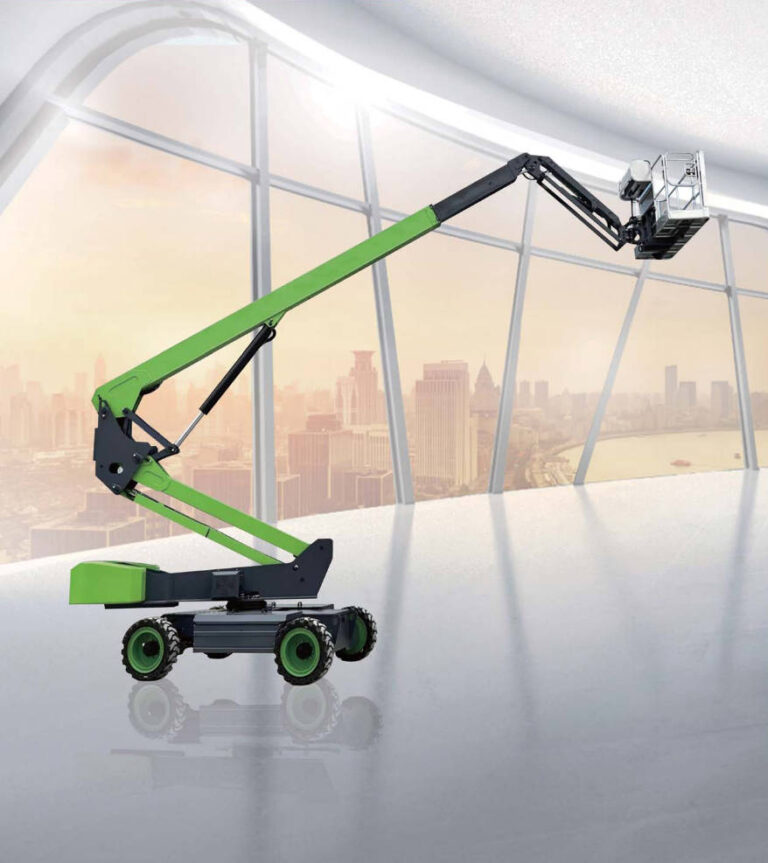
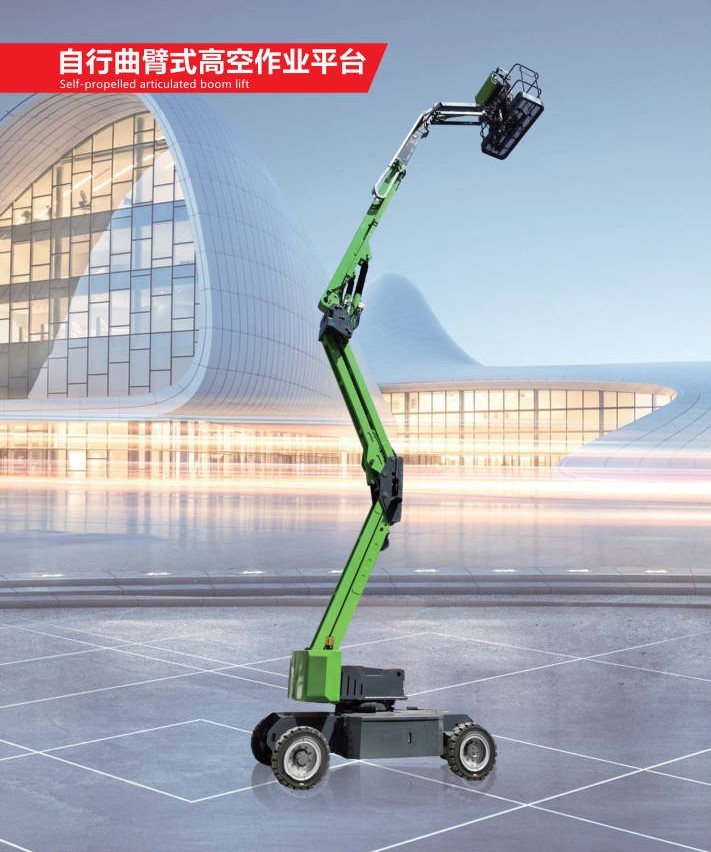
When you work at tall heights, picking the right tool really matters a lot. One of the most important machines for these jobs is the self-propelled boom lift. These flexible machines help a great deal with tasks in areas like construction, maintenance, and logistics. In those fields, workers must get to spots that are hard to reach. They need to do this in a safe way and in a quick way too. In this article, we look closely at the main performance numbers, or KPIs. You should think about these when you pick a self-propelled boom lift. The numbers cover things like working height, load capacity, horizontal outreach, and more items as well.
By learning these key parts well, you can make a smart choice. This works whether you buy the boom lift or you rent it. The machine will fit your project needs exactly that way. You avoid problems later on. Now we move on to the details step by step.
Analysis of Key Performance Indicators for Self-Propelled Boom Lifts
When you pick a boom lift, how well it works is the main thing. Yet performance can change based on the job you have. So it is very important to check different numbers that show what the boom lift can do. These numbers help you see if the machine fits your worksite needs. They make the decision easier and safer for everyone.
Working Height: The Foundation of Your Choice
Working height means the highest point the lift can reach. It counts both the platform and the person who stands on it. This is one basic fact to check when you look at a boom lift. It shows how high the operator can go to reach work spots up high.
For example, if you fix shelves in a warehouse, you might need a lift with a working height up to 12 meters only. But if you work on tall building sides or power lines, you might need a machine that goes to 20 meters or even higher than that. This choice depends on your exact job. It keeps things safe and quick. Many people forget this at first, but it forms the base for everything else.
Table: Recommended Working Heights for Common Applications
| Application | Recommended Working Height |
|---|---|
| Warehouse Shelving | 12 – 16 meters |
| Building Maintenance | 18 – 22 meters |
| Power Line Repairs | 24 meters or higher |
| Roof and Facade Work | 20 – 25 meters |
Load Capacity: Ensuring Safe Operations
Load capacity is another main point when you choose a self-propelled boom lift. It is the biggest weight the platform can hold. This weight includes the operator, plus tools, plus any other items. If your team often carries heavy tools or materials at high spots, you must make sure the lift can hold that weight safely. This step helps with good work and safe work at the same time.
A normal self-propelled boom lift holds between 200 kg and 500 kg. Still, each model can differ, so you always check it matches what you need. A lift with too little capacity can cause unsafe spots. A lift with too much capacity might cost extra money you do not need to spend. Think about this before you decide.
Here are some important things to remember about load capacity:
- Overloading risks: Putting too much weight on the lift can cause tipping, broken parts, or shaky balance. This is worse at very high spots.
- Safety standards: Follow rules from groups like ANSI and OSHA. This way you always respect the load limit while you work.
Horizontal Outreach: Expanding Your Reach
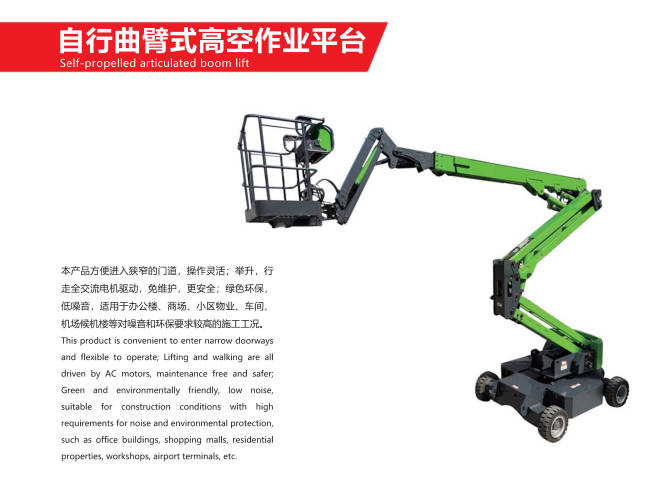
Horizontal outreach is also key for a boom lift. It is the farthest distance the lift can stretch out sideways from its base. The lift stays steady during this. This feature helps a lot in jobs like fixing tall structures. Sometimes you cannot go straight up, so you need to reach out instead.
For instance, if you work on a building side or need to get to far spots on a big structure, a boom lift with longer horizontal outreach lets you reach those areas. You do not have to move the machine again and again. This saves time and keeps things safer.
Benefits of extended horizontal outreach include these points:
- It gives you more choices on the job site.
- It cuts down the time you spend moving the lift, so work goes faster overall.
- It makes the job safer because you stay in a steady spot.
Table: Comparison of Horizontal Outreach for Common Boom Lift Types
| Boom Lift Type | Horizontal Outreach |
|---|---|
| Articulating Boom Lifts | 8 – 20 meters |
| Telescopic Boom Lifts | 12 – 24 meters |
Platform Size and Stability: Ensuring Operational Efficiency
The size of the platform on a boom lift affects how many people and tools it can hold at once. Bigger platforms give extra room for more workers or heavy gear. They work great for hard jobs that need extra tools along with the operator. You get more done without extra trips up and down.
Platform stability matters too when you are high up. A steady base lets you work safely, especially when the lift is raised high. The design of the lift helps with this. It includes the wheel base and extra steady features like outriggers. Good stability stops wobbles and keeps everyone calm during the job.
Machine Size and Maneuverability
When your work space is small or tight, how easy the machine moves becomes very important. The overall size of the boom lift, its turning circle, and how simple it is to drive can change how fast you finish the job. Smaller models fit better in indoor spots or narrow areas. Bigger models suit open construction sites where there is plenty of room.
Here are some main things to think about:
- Turning radius: A smaller turning radius helps you move around in tight spaces without trouble.
- Transportability: If you move the boom lift often, pick one that is simple to carry. It should not take too much work or special help.
Making the Right Choice: Tailoring Boom Lift Selection to Your Needs
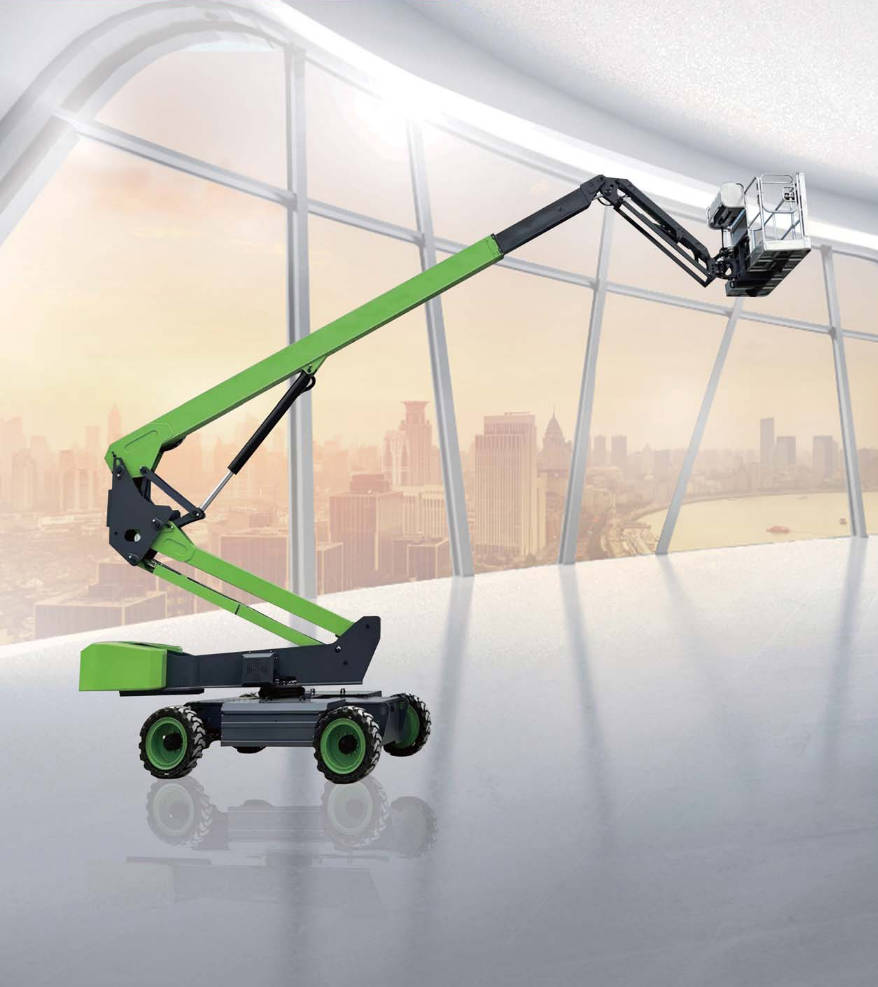
You know the main numbers now. So think about how to pick the best boom lift for what you need. Each job is different, and matching the machine to your site makes everything better.
Industry Applications and Their Requirements
Every field has its own problems. Knowing these helps you choose the right boom lift.
- Construction sites: For big building jobs, you need a boom lift with high working height, a big platform, and long horizontal outreach. This setup handles large tasks well.
- Warehouse operations: For work inside buildings, a smaller lift with a tight design and good load capacity fits better. It moves easily in closed spaces.
- Electrical and telecom work: You want high working height plus good horizontal outreach. This lets you reach power lines and tall towers without extra moves.
These examples show why you must match the lift to the job. It saves time and keeps the work safe.
Rental vs. Purchase: Which Is Right for You?
You also need to decide if you should rent the boom lift or buy it. Renting often costs less for short jobs. You only pay when you need the machine for one task. Buying makes more sense if you use the lift a lot or on many projects that keep going. The first cost is higher, but you save money over time.
This choice depends on how often you work at heights and what your budget allows right now.
Why Choose JinChengYu FORKLIFT?
JinChengYu FORKLIFT is a good company that sells strong self-propelled boom lifts. They have many articulating and telescopic models for different jobs and fields. The machines focus on tough build, safe use, and fast work. They handle hard worksite conditions very well. Whether you fix a tall building or work on a warehouse floor, JinChengYu FORKLIFT machines give you top results. They help you finish every job in a safe way and a quick way.
With JinChengYu FORKLIFT, you get machines you can trust. They perform well and meet what you need for your operations. Every project ends safely and on time this way. Take time to check these points, and your next high job will go much smoother.
Conclusion
Picking the right self-propelled boom lift is very important for safe work and fast work on any tall job. When you understand the main numbers like working height, load capacity, horizontal outreach, and platform size, you can choose the best lift for your needs. Always think about your worksite conditions, the field you are in, and whether renting or buying fits you better.
Frequently Asked Questions
What is the difference between articulating and telescopic boom lifts?
Articulating boom lifts have several joints. These let the arm bend and go around things in the way. Telescopic boom lifts have a straight arm that stretches out. People use them mostly when they need to reach very high spots without obstacles.
How do I know if a boom lift has enough load capacity for my needs?
Add up the weight of the operator, all tools, and any materials. The lift must hold that total safely. Always check the maker’s details. Also look at safety guides from groups like ANSI or OSHA.
How high should my boom lift go?
The height you need depends on the job. A normal building fix might need a lift around 20 meters high. Warehouse shelf work usually needs only 12 meters or so. Think about your exact spot before you pick.
What safety precautions should I take when using a boom lift?
Workers must get proper training first. They need to follow all safety steps. This includes wearing harnesses, checking the machine often, and making sure the ground is steady before you start. These steps stop accidents and keep everyone safe.