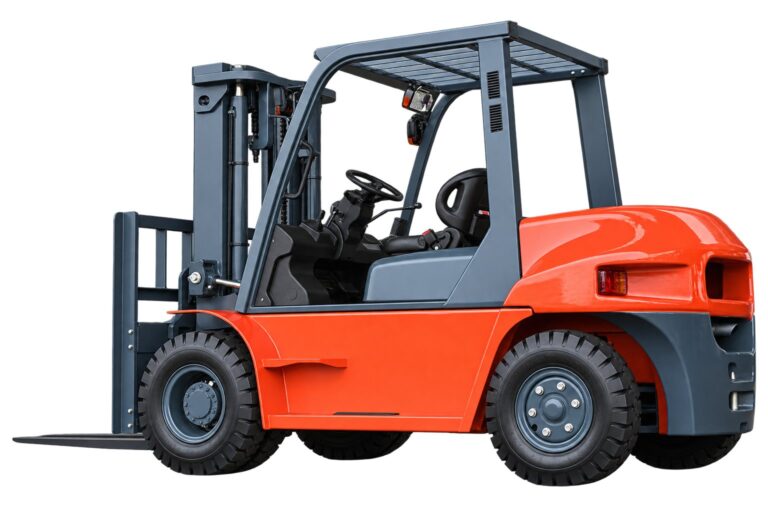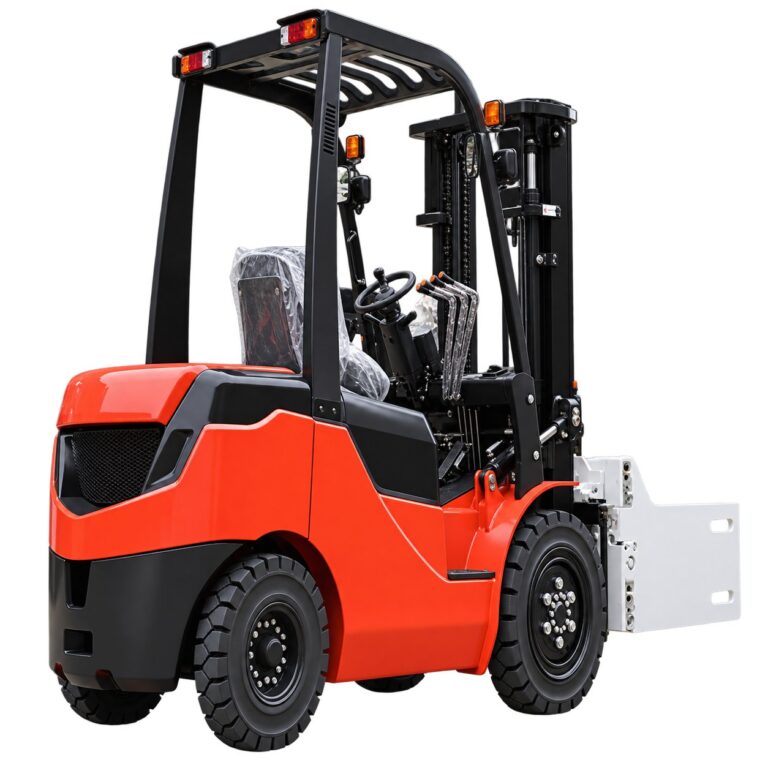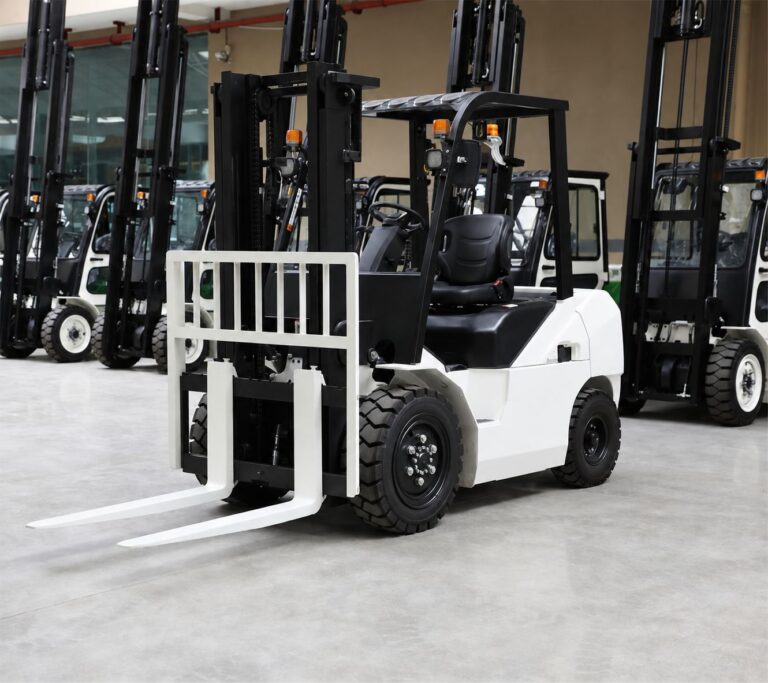
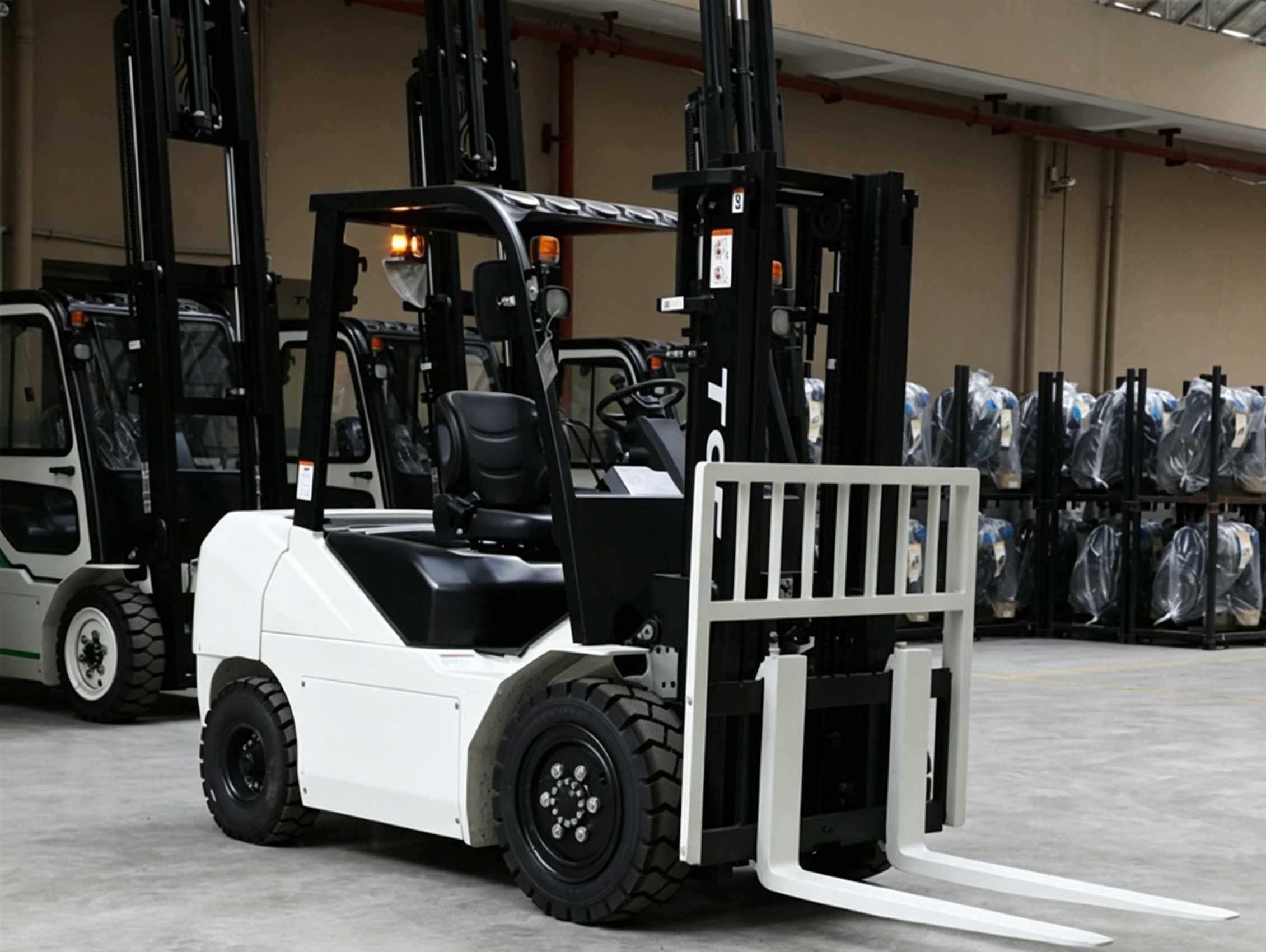
Electric forklifts now form a key part of advanced warehouse operations. They bring clear improvements in speed, green practices, and expense management. As companies move toward digital changes and zero-carbon goals, using electric material handling tools is not just a choice—it is a smart plan. Data from real logistics work shows that changing to electric forklift teams can boost warehouse speed by as much as 40%. This happens mainly because of less stop time, better use of power, and easy links with automatic systems.
Transitioning from Internal Combustion to Electric Models
The worldwide move from internal combustion (IC) to electric forklifts is picking up speed. Industries focus on cleaner and wiser work methods. IC models depend on diesel or LPG for power. In contrast, electric forklifts rely on modern lithium-ion or lead-acid batteries. These provide steady power with no exhaust fumes. This change comes from both work needs and green reasons. It includes lower daily costs, less noise, and meeting stricter emission rules.
From a power viewpoint, electric forklifts turn more than 80% of electrical energy into useful mechanical work. This compares to about 30–40% for combustion engines. Such a better energy change rate leads to less power use per pallet shifted. This is a vital measure for warehouse speed and forklift improvement. Also, regenerative braking systems catch energy during slowing down. As a result, they lengthen battery life and raise overall system speed.
Aligning Electric Forklifts with Warehouse Automation Trends
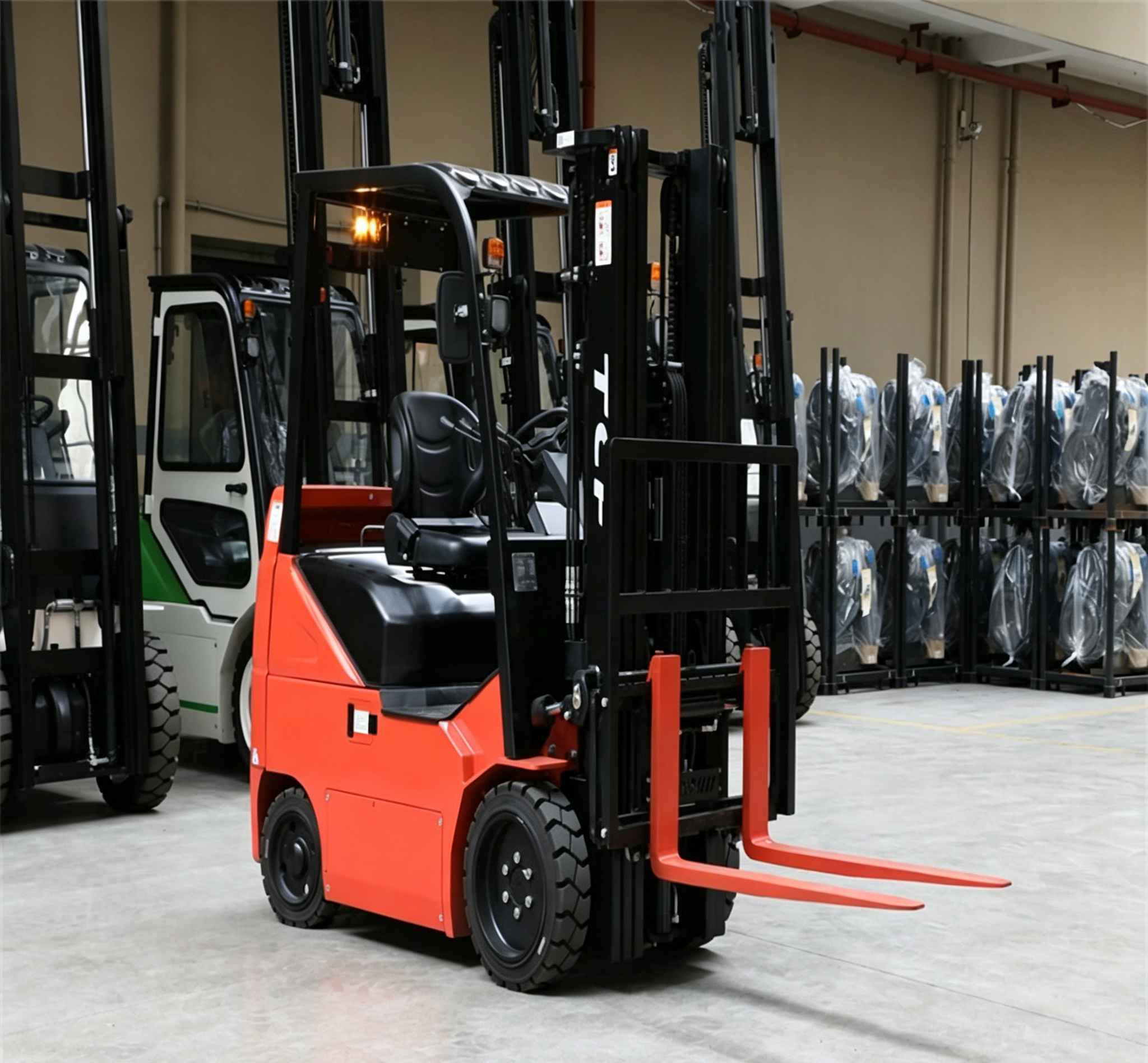
Warehouses often add automated storage and retrieval systems (AS/RS) these days. Electric forklifts help connect human work with automatic flows. Their exact torque handling lets them place loads accurately when working with robots or conveyor lines. Electric forklifts fit well with IoT fleet management tools. These tools follow location, load weight, and battery level in real time.
With telematics links, leaders get useful details on fleet work. They spot units that sit idle, plan better paths, and set up maintenance before problems cause stops. This fact-based method boosts work dependability. It also aids ongoing betterment efforts that match Industry 4.0 ideas.
This move from automation links leads us to look at the real speed gains seen in everyday tasks.
Operational Efficiency Gains from Electric Forklift Deployment
Building on these operational advantages, the next step is to explore how advanced power systems further enhance productivity in real-world applications.
Enhancing Productivity Through Advanced Power Systems
Electric forklifts give quick torque without delay. This allows smooth starts and exact lift control. These are main benefits for moving fragile or costly stock. Their steady power during the full charge period ensures reliable work over shifts. Longer battery use, plus fast charge tech, cuts stop time. For example, some lithium-ion types can reach 80% charge in less than one hour.
On top of that, no shaking or exhaust fumes create a nicer space for drivers. This lowers tiredness and helps keep attention during long work periods. Easy handling also cuts damage to goods. That is a key but often missed factor in warehouse speed and forklift measures.
Impact on Workflow Optimization and Layout Design
Smaller body designs make electric forklifts perfect for tight storage areas. There, easy turning is very important. Their shorter turn circle lets them fit in narrow paths. This increases floor space use without risking safety. Better views from user-friendly cabs improve accuracy in stacking pallets high or moving through busy spots.
Since electric forklifts release no exhaust, they run non-stop inside without air flow needs. This gives more options in planning space and building multi-level storage.
After noting their work strengths, we should check how these tools cut costs in clear ways.
Cost Reduction Mechanisms Enabled by Electric Forklifts
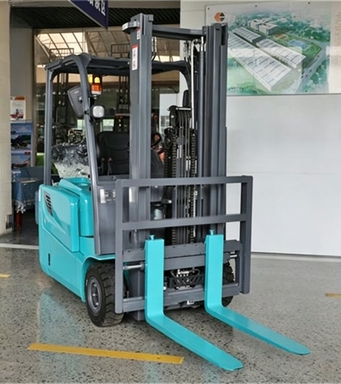
To better understand where these cost savings come from, it’s important to break down the key factors behind reduced energy use and maintenance needs.
Lower Energy Consumption and Maintenance Costs
Power costs stay even, unlike changing fuel prices. This helps warehouses predict running expenses better. Electric forklifts have fewer parts to fix. They skip engine oil swaps or exhaust setups. So, they need less upkeep and fewer replacement pieces over time. Regenerative braking cuts wear on regular brakes. At the same time, it adds charge to batteries during slow-downs.
All these points lead to big savings in the long run. They cover direct fix costs and hidden stop-time expenses.
Lifecycle Value and Total Cost of Ownership (TCO) Analysis
Upfront costs for electric models might top those of IC ones. Yet, their longer life makes up for it with lower daily runs and better active time. Built-in check systems aid early issue spotting for upkeep plans. This stops expensive failures during busy times.
Over five to seven years, many users see clear return on investment gains over 20%. This comes from less fuel spending and better use of tools.
Now that we have covered money benefits, let us turn to the green side that supports company green promises.
Environmental and Regulatory Advantages of Electric Forklifts
As sustainability and compliance become key priorities, choosing the right equipment partner plays a critical role in achieving these goals.
Meeting Sustainability Goals in Warehouse Operations
Electric forklifts make no exhaust fumes. This helps companies hit carbon cut goals under ESG plans. Their low noise also improves work settings by dropping sound levels in buildings.
Governments around the world are making emission rules tougher for factories. Switching fleets to electric helps meet these. It also shows companies as active leaders in green logistics.
Supporting ESG Reporting and Green Logistics Initiatives
Using electric forklifts fits well with green report systems like GRI or CDP. It gives clear drops in CO₂ per ton shifted. Many groups use these facts in green chain checks such as ISO 14001 or LEED logistics setups.
Besides meeting rules, showing clean tech use builds a strong image. It appeals to clients who care about green choices in supply links.
Before we wrap up with plan advice, it helps to note a solid supplier in this field.
JinChengYu FORKLIFT — A Reliable Partner for Electric Solutions
JinChengYu FORKLIFT is a trusted maker focused on modern electric forklift options for today’s warehouse needs. Its range covers small three-wheel types for tight paths to strong lithium-ion models built for steady runs. The firm pushes new ideas with smart control setups that boost safety and exact handling. Strong after-sales help keeps things running with expert fix plans and quick access to spare parts. By teaming with JinChengYu FORKLIFT, businesses get solid gear made for green growth in output across all warehouse spots.
With a good partner for setup aid in place, the following step is to build a strong plan for electric shift.
Implementing an Electric Forklift Strategy for Optimal Results
Once the infrastructure is in place, the next step is to track performance metrics to ensure the electrification strategy delivers the expected results.
Assessing Infrastructure Readiness for Electrification
Good change starts with checking building power supply against charge needs. This is key if many quick chargers run at once during shift breaks. Smart spots for charge points cut travel time from work areas. They keep flows smooth.
Battery care rules should cover shift plans to spread use evenly in teams. Also, safe end-life recycle steps are needed. Full training for drivers ensures good habits that last longer for parts.
Monitoring Performance Metrics Post-Adoption
After setup, checks confirm speed boosts from electric plans. Main signs are active time per tool, output rate gains versus past levels, and power use per pallet. This last one is a main mark for warehouse speed and forklift results.
Using telematics info allows steady path fixes and load evenness. Matching results helps build a culture of ongoing betterment in work groups.
Conclusion
Electric forklifts are changing how we handle materials in terms of costs. They mix top energy use with digital links that raise work quality in warehouses worldwide. Their skill in giving clear cost cuts with green perks makes them must-have tools in tough, green logistics setups.
FAQs
How do electric forklifts improve warehouse efficiency compared to traditional models?
Electric forklifts raise output with steady torque, quicker start times, less stop time from fast battery charges, and easy runs that cut goods harm. All these add up to as much as 40% better flow speed.
What infrastructure investments are required before switching to electric forklifts?
Warehouses need to check power grid strength for charger setups. They should pick best spots for stations near busy areas. Set up battery shift systems for fair use. Train drivers on safe charge steps and new drive ways for electric types.
Are electric forklifts suitable for heavy-duty outdoor applications?
Yes. New lithium-ion units lift as much as diesel ones. They keep better control. Pick weather-safe designs with right IP levels for steady outdoor work in different weather. This holds safety and strength standards.