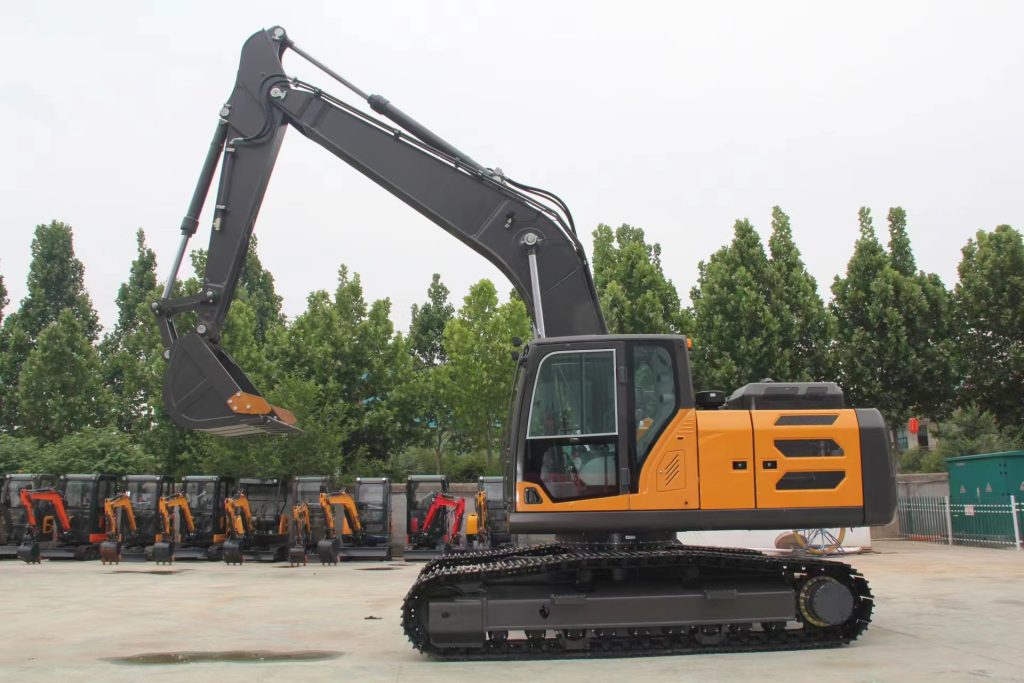
 A crawler excavator can speed up a project. Or it can slow it down. On paper, many machines seem alike. But on site, the differences stand out. A machine that suits the terrain, digging depth, attachment requirements, and transport setup keeps workers moving. The wrong one wastes fuel. It struggles in narrow spots. And it might sit unused when tasks change.
For builders, those renting gear, farm workers, and site bosses, the top pick often boils down to one key point. What will the machine handle each day? And under what setup? That is why a straightforward crawler excavator buying guide helps. Rather than going after the largest unit or the cheapest deal, it pays to pair the excavator size with the real tasks, the dirt type, and the job speed.
Start with the Job, Not the Machine
Before you look at specs, it pays to nail down the work details. A crawler excavator for digging trenches has different needs from one used in wrecking buildings. Or from one working near garden walls and tight doors.
That basic step seems easy. But it stops the biggest error in picking gear. You avoid choosing a machine that works in theory. Yet it feels clumsy on the actual site.
Define the main task
Some jobs repeat daily. Others change from week to week. A utility team might dig trenches most days. Then they shift to laying pipes, filling dirt, and light lifting. A garden builder could need a small excavator for tight spots one day. The next day, they require strong force for tough soil.
Common tasks include:
- trenching for utilities and drainage
- foundation digging
- road and municipal work
- landscaping and tree work
- demolition and site clearing
- farm and orchard work
- loading loose material
- slope shaping and grading
If the machine sticks to one main task, picking it gets simpler. But if jobs switch often, then attachment fit and hydraulic power count more.
Check digging depth, reach, and lift needs
Do not pick a crawler excavator just by its weight in operation. Digging depth, dumping height, reach from ground level, and lift strength all impact real results.
A machine with short reach might finish a shallow ditch fast. Yet it could have trouble with deeper lines. One with good depth but weak lift hold might slow when moving pipes, prefab parts, or heavy buckets of wet mud. For this reason, plan the site with three key figures before talks begin.
| Job Requirement | Why It Matters | Typical Buying Risk |
|---|---|---|
| Digging depth | Decides whether the machine can complete the cut safely and efficiently | Choosing a compact machine that needs repeated repositioning |
| Working reach | Affects trench width, slope work, and loading distance | Slower cycle time and poor site flow |
| Lift demand | Matters for pipes, rocks, and loaded buckets | Instability or reduced usable capacity |
Match Excavator Size to the Site
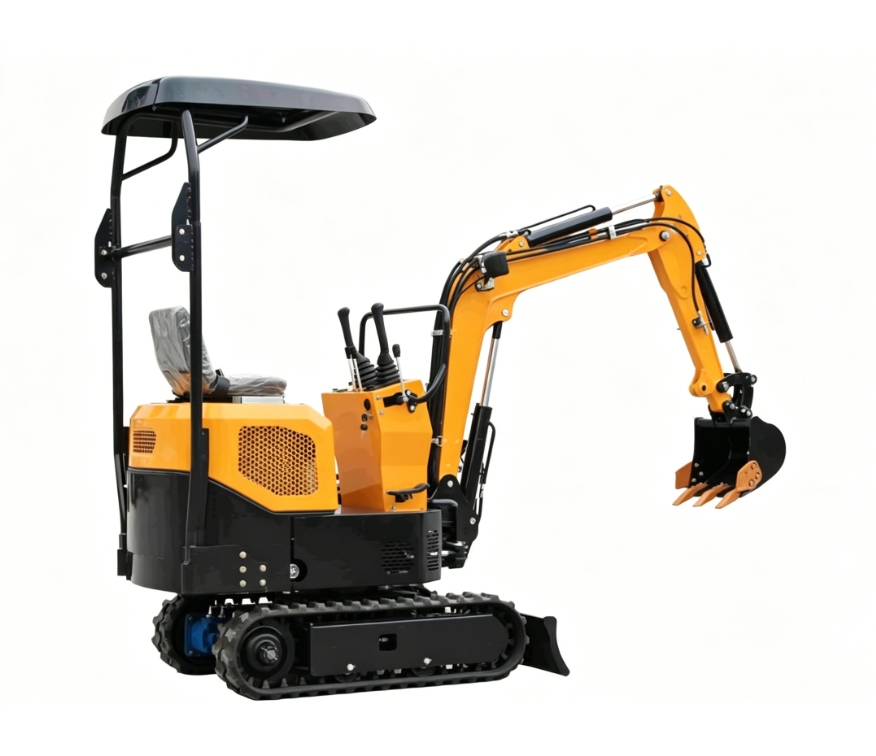
Once you know the task, the next move is size. Base that on site entry, soil setup, and daily goals. Do not rely on old habits.
In terms of products, the excavator lineup covers mini crawler excavators, compact and mid-size crawler excavators, heavy crawler excavators, and wheel excavators for jobs needing quick moves on hard surfaces. The range fits tight city tasks, basic building, and big dirt-moving work.
Mini crawler excavators for tight access work
A mini crawler excavator often works well when space limits the entire site. Think backyard builds, inside wrecking, plant house jobs, fruit tree rows, city pipe fixes, and garden work near done buildings. All these benefit from small size and simple handling.
These units fit when the site shows one or more of these traits:
- narrow gates or side access
- limited swing room
- soft lawns or finished paving nearby
- frequent repositioning
- short-duration digging tasks
A compact crawler excavator for narrow areas can also cut repair costs. This counts on home and city jobs where ground harm raises the end price.
Mid-size crawler excavators for mixed construction work
Mid-size units often give the best balance for builders who do trench work, leveling, loading, and small base digs regularly. They offer stronger dig power, wider reach, and solid hydraulic help for add-ons. And they stay easy to shift between spots.
For lots of buyers, this group turns into the top value pick. It covers more tasks without the move and fuel load of a bigger unit.
Heavy crawler excavators for demanding ground and high output
On road builds, rock site help, large dirt shifts, and wrecking, heavy crawler excavators shine through steady hold, lift strength, and ongoing dig results. These jobs often mean tough dirt, long hours, big buckets, and hard add-on use.
A heavy crawler excavator seldom fits cramped sites. But on open land where speed matters most, the larger build pays off quickly.
Read the Ground Conditions Carefully
The same excavator acts quite differently on two sites of equal size. That is why site setup needs its own check before you order.
Crawler excavators get picked often where grip, weight spread, and balance beat travel pace. Tracks handle weight better than wheels on soft dirt and bumpy spots. This makes them a solid choice for rough land, wet mud, and raw sites. Basic guides in the field also stress job type, unit size, dig depth, tracks over wheels, and run costs as key choices.
Soft ground and uneven terrain
A crawler excavator for soft ground usually gives better footing than a wheeled one. On wet base layers, loose fill, or bumpy hills, that extra steadiness keeps work times even. It also boosts operator trust when turning a full bucket.
Look for these in ground setup:
- mud and standing water
- loose gravel and backfill
- rocky sections
- side slopes
- hidden underground services
- daily weather changes that affect traction
Tail swing and machine width
Tail swing gets overlooked until the machine works near walls, road blocks, barriers, or stacked goods. In those spots, small overall size can count as much as engine power.
Machine width affects site entry to trailer picks. On jobs with slim road shuts or field paths, a bit more width can shift the full move plan.
Attachments Often Decide the Better Machine
A crawler excavator serves more than just digging. On many sites, it acts as a multi-job base. So discuss excavator attachments before you settle on the unit. Not afterward.
A builder planning to use a hydraulic breaker, auger, grapple, ripper, or quick coupler requires the proper hydraulic flow. They also need enough weight to stay steady. A lighter unit with bad hydraulic setup might function. But it will not keep up on a tough site.
Choose attachments based on daily use
Pick attachments by what occurs most days. Not by rare events.
Here is a clear example:
- For trenching and pipe work, bucket shape and quick coupling speed matter.
- For demolition, hydraulic breaker compatibility and front-end stability matter more.
- For landscaping, a grading bucket, compact body, and light footprint may be more valuable than raw digging force.
- For farm use, augers and grapples can turn one machine into a daily utility tool.
The top crawler excavator for construction projects often manages attachments smoothly. It does so without ongoing trade-offs.
Do Not Ignore Fuel, Maintenance, and Transport
 Buyers tend to focus too much on buy price. They spend little time on the whole ownership view. That is where run costs split a fair deal from an expensive one.
A crawler excavator buying guide must cover fuel use, daily checks, wear items, service ease, and move planning. On extended jobs, these factors shape earnings as much as the initial tag.
The real cost is the total cost of ownership
A cheap starting price can fade fast if the unit guzzles fuel, has hard-to-get parts, or faces lots of stop time. The smart question is not “What does it cost now?” But rather, “What will it cost after a year of actual use?”
Main cost areas include:
- fuel consumption during typical cycles
- undercarriage wear on abrasive ground
- hydraulic hose and seal service
- filter and routine maintenance intervals
- spare parts support
- trailer and shipping cost
- downtime risk during peak season
Transport should be planned early
Excavator transport often gets seen as a side issue. It should not be. Unit size, work weight, load method, and local rules all shape move frequency and each trip’s price.
For builders with several small jobs weekly, a tad smaller unit might beat a large one. It moves quicker between sites. And it starts tasks sooner.
Crawler Excavator vs Wheel Excavator
For certain jobs, the real question is not which crawler excavator to get. Instead, it is whether a wheel excavator suits better. Both have strong points.
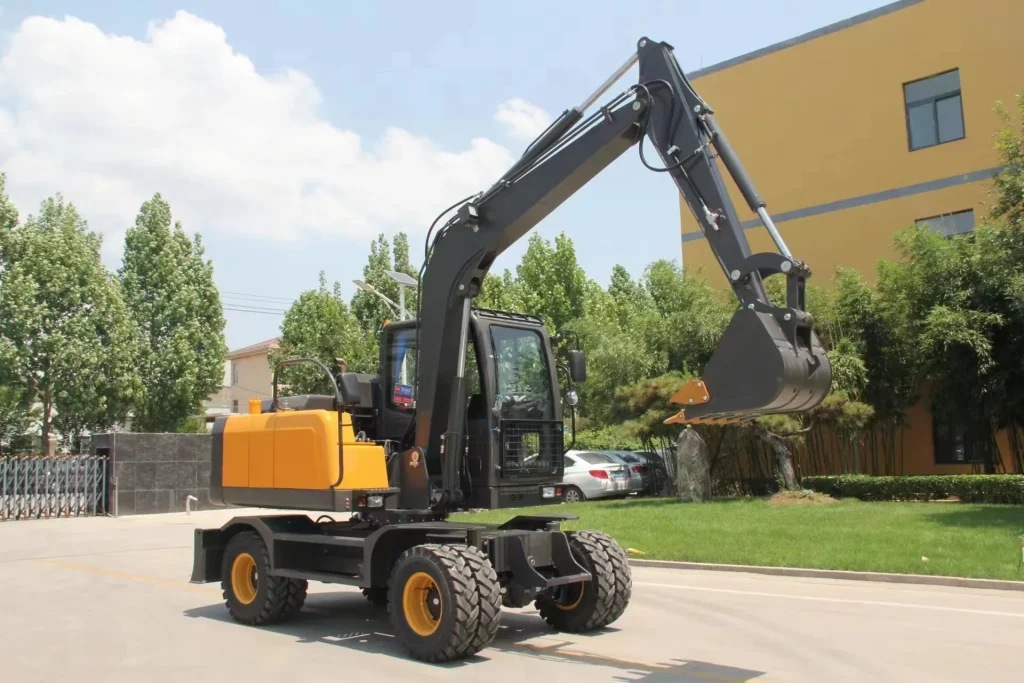
That choice counts because the excavator lineup also offers compact and medium-to-heavy wheel excavators. This gives buyers real options when road trips and site shifts are key.
A simple comparison
| Machine Type | Best For | Main Advantage | Main Limitation |
|---|---|---|---|
| Crawler excavator | Soft ground, rough terrain, heavy digging | Stability and traction | Slower travel between sites |
| Wheel excavator | Urban work, paved roads, frequent relocation | Mobility and faster road movement | Less suited to deep mud and rough footing |
When crawler excavators usually win
Crawler excavator strengths appear clearly on:
- muddy or unstable ground
- deep digging work
- steep or uneven terrain
- high-breakout applications
- demolition and heavy attachment use
When wheel excavators may be the smarter buy
Wheel excavators usually suit:
- urban road maintenance
- municipal repair work
- paved industrial yards
- jobs requiring frequent relocation in one day
A Practical Buying Checklist
At this stage, the pick process gets clearer. Buyers can use a simple list instead of random checks.
Questions worth answering before ordering
- What is the main application: trenching, demolition, grading, landscaping, or loading?
- How deep does the machine need to dig?
- How tight is the site?
- What are the ground conditions?
- Which attachments will be used most?
- How often will the machine be transported?
- Is the goal lower upfront cost or lower long-term operating cost?
- Is crawler travel or wheel mobility better for this project mix?
A unit that fits those points well turns into a strong work tool.
About JinChengYu FORKLIFT as a Crawler Excavator Supplier
Before the last buy points, note what makes a seller easy to deal with long-term. JinChengYu FORKLIFT runs from Qingdao with links to sea, road, air, and rail shipping. They handle global gear supply. And they offer sales and after-service for worldwide buyers. In excavators, their stock includes mini crawler excavators, compact and heavy crawler excavators, plus wheel excavators for city and build tasks. Reach them direct by phone, email, or company line. This helps with fast quotes, part tracking, and export talks.
Conclusion
Picking the right crawler excavator means less chase for the largest unit. It focuses on matching the machine to the actual job. Work type, site entry, soil setup, dig depth, add-ons, fuel needs, and moves all guide the choice.
For those comparing crawler excavators for construction projects, the steady way is basic. Begin with the tasks. Review the site. Check the add-on setup. Then weigh full ownership costs over just the price. This leads to a unit that works hard, shifts less, and fits well on site.
FAQs
What size crawler excavator is best for a small project?
For garden jobs, easy trench work, plant house tasks, and home entry sites, a mini crawler excavator often does the job. Key checks cover width, dig depth, and add-on fit.
Is a bigger excavator always better?
No. A larger unit might add dig power and lift hold. But it can also boost fuel needs, move costs, and entry issues. The right excavator size matches the site and daily work.
Which crawler excavator is best for soft ground?
In soft or wet spots, tracked units hold the edge. They spread weight well and give steady footing. Size still hinges on depth, lift wants, and entry.
Should a buyer choose a crawler excavator or a wheel excavator?
A crawler excavator fits rough land and hard digs better. A wheel excavator often works best for hard paths and jobs with many shifts in a day.