Many locations have warehouses or storage areas. However, these loads rarely arrive in a form suitable to be moved about the warehouse using a pallet and fork lift. Often these loads are long, dense or uneven in shape. They may be wet, rusty or even be partially hidden by packing material. Whilst light warehouse trucks are perfectly suited to moving pallets of cartons in a warehouse all day, steel coils, machinery parts, timber packed in a variety of ways, large stone blocks and a host of other loads require far more ability to move safely.
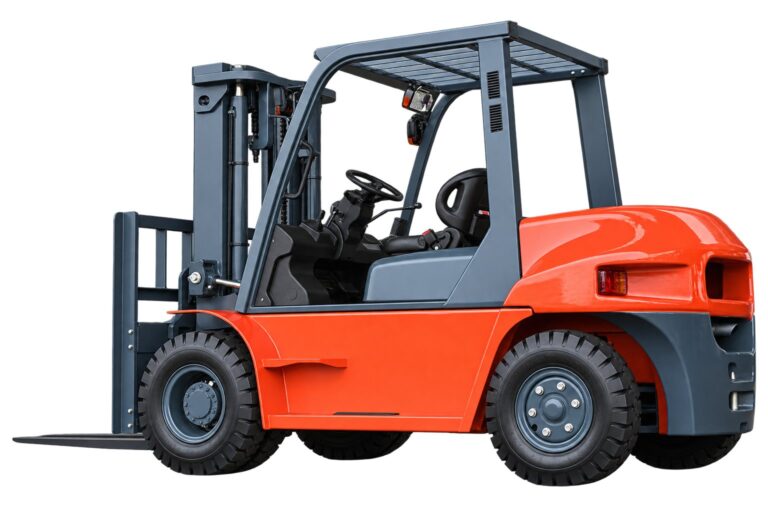
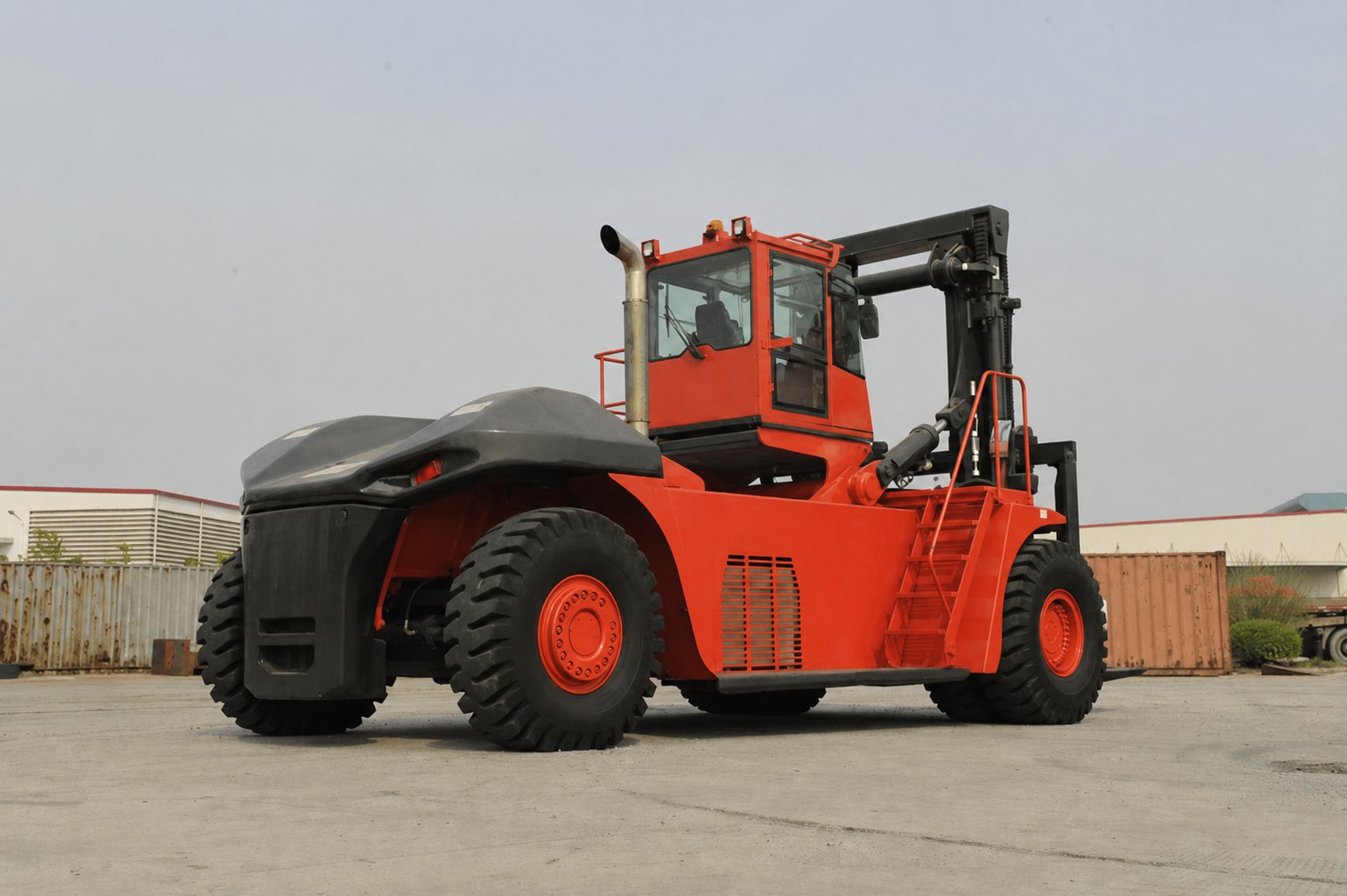
That’s where a heavy duty diesel forklift comes into play. Not only does it offer the required amount of torque as well as sufficient lifting capacity, but also a very stable counterbalance, which is much needed in the often outdoor environments of yards. The buyer who compares different port handling forklifts or is looking for the right diesel forklift for his steel yard, has to pay attention not only to the amount of tons that can be lifted by the forklift, but also to several other factors, such as ground conditions, load center, tire, visibility for the driver, service accessibility as well as the number of operating hours per day.
Why Heavy Duty Diesel Forklifts Fit Outdoor Industrial Work
A diesel forklift used in a port or steel yard does not work like a small warehouse forklift. It may travel over concrete, compacted gravel, dock plates, steel plates, or damaged yard surfaces. It may run through dust, rain, heat, and long shifts. The machine needs power, but it also needs balance and control.
Diesel Power Handles Slow, Heavy Movement
Heavy cargo does not move fast. It moves slowly and under control. Whether lifting steel beams or moving large machinery parts, forklifts are designed to travel loaded at low speed. Powered by diesel engines, heavy industrial forklifts are able to cope with loaded travel, short ramps, reversing around corners and tight positioning in confined spaces near trucks and storage racks.
While moving around a busy port or steel yard a forklift may travel from a loading bay to an outside storage area on many occasions during a shift. A truck in a steel yard may take a load of steel plates in the morning and then in the afternoon a load of bundled pipes. For this sort of operation a diesel engine is better than an alternative as it has the required pulling power and minimal charging time.
Outdoor Yards Are Hard on Equipment
Forklifts used for outdoor material handling are subject to extreme stress and abrasion by tires against metal scraps, broken pallets with nails, sand, water, and uneven surfaces. Additionally, heat causes extreme deterioration to engines and hydraulic oil. Dust from outdoors can also penetrate to cooling surfaces of the forklift. A rugged frame, strong mast, heavy duty tires and easily accessible components for maintenance are characteristic features of a heavy duty diesel forklift.
Just as a great performing machine in a clean aisle of a warehouse will get lost in the dock lane with water and crosses; the same forklift can work in ports, shipping yards, rail yards and steel storage as long as you pick the forklift for the soil and workload and not just off of the rated capacity in the catalog.
What Loads Are Common in Ports and Steel Yards?
Heavy duty diesel forklifts are used in heavy industries that have peculiar cargo. Some items are very heavy but small in size. Some are long and odd shaped. Others may block vision, or require support from attachments to handle safely.
Steel Coils, Plates, Pipes, and Beams
Steel yards can deal with loads that are heavy but have a small footprint. Steel plates are very sensitive to bending and damage. The long shape of pipes and beams can cause them to swing uncontrollably when turning them.
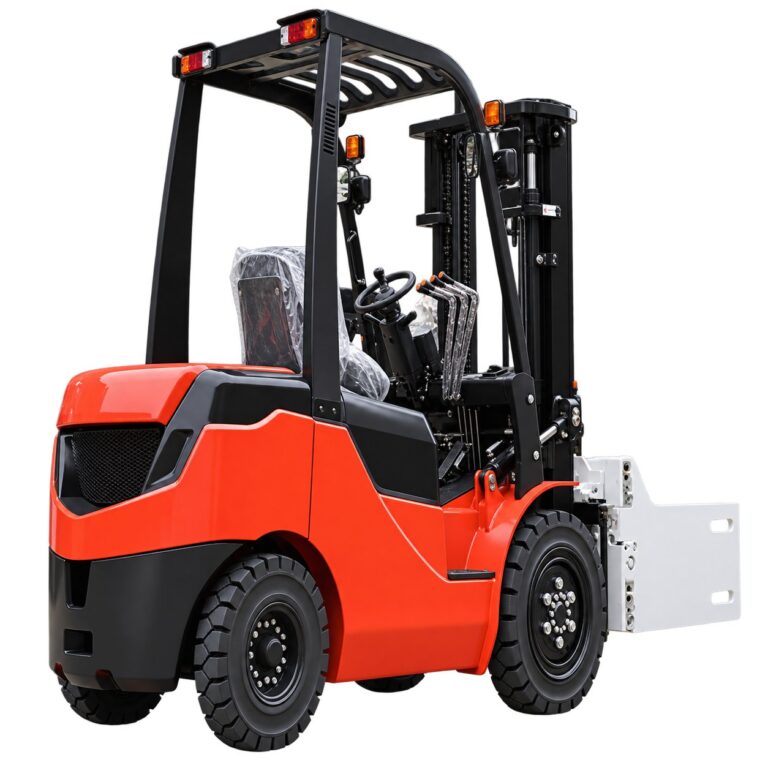
A diesel forklift for steel yards does more than lift heavy loads. It has a long wheelbase, proper fork length, strong masts and travels in a safe manner. Occasionally, coil rams, fork positioners and other attachments of forklifts are needed in order to prevent damage of goods and to work safely.
Container-Related Cargo and Port Materials
Just as not all container handling work can be done with the same machine, handling very heavy pallets, or cargo inside containers, large crates, spare parts and other industrial goods typically are best moved with a heavy duty diesel forklift. Stacked shipping containers are typically best moved with a dedicated container handling machine, i.e. a reach stacker.
This information will help buyers select the best equipment for their work. Using the wrong piece of equipment for a job can waste time and pose a safety risk. For example, heavy ground level lifts would be done with a high capacity diesel forklift, while lifting and stacking containers several rows high would be a job for container handling equipment with reach capability and be reviewed for the proper application.
Heavy Machinery, Stone, Timber, and Project Cargo
Industrial yards come in all shapes and sizes and deal with loads that normal warehouses are unable to deal with. For instance, a machinery factory would deal with engine blocks, frames and large equipment bases. A stone yard could consist of large slabs and blocks. A timber yard would hold bundled logs as well as long boards of timber. A yard that deals with construction materials would hold items such as concrete products and steel structures which are often left outside in the yard.
Industrial diesel forklifts must be matched to more than just weight – they must also be matched to the load’s shape, travel distance, turning radius and lift height.
Capacity Selection: Match the Forklift to the Real Load
Misconceptions abound regarding the capacity of forklifts. An item labeled with a weight capacity by the forklift manufacturer does not necessarily equal the safe lifting of that weight at varying heights, using attachments, or at different load centers. Long steel bundles and wide crates are examples of loads that will transfer their weight forward, thus decreasing the safe lifting capacity of the forklift.
A practical selection table can be helpful in narrowing the options for your first choice.
| Working Need | Typical Load Type | Forklift Direction |
|---|---|---|
| Medium-heavy yard handling | Building materials, timber packs, heavy pallets | Diesel counterbalance forklift with outdoor tires |
| Steel and machinery handling | Steel coils, machine bases, molds, large parts | High capacity diesel forklift with reinforced mast |
| Port-side cargo movement | Crates, bulk cargo, container-side materials | Heavy duty diesel forklift or container support equipment |
| Container stacking | Standard shipping containers in rows | Reach stacker or dedicated container handling equipment |
| Mixed industrial yard work | Steel, timber, stone, project cargo | Diesel forklift with suitable forks or attachments |
Check Load Center Before Capacity
A buyer asks for a “heavy cargo forklift” and starts with the highest weight first. Just like for any specification, that is only the first number. The load center is just as important as the weight. A compact part such as a compact machinery part and a long steel bundle may both weigh the same amount and the forklift sees them differently.
Before choosing a heavy duty forklift, check:
· maximum load weight
· load length, width, and height
· load center and weight distribution
· highest lift point
· daily working hours
· surface type and slope
· aisle width and turning area
· attachment weight
· operator visibility around the load
When reading specifications on a lift one can see how powerful it may look; but it is crucial to read further into details so one can buy the correct equipment to prevent accidents from occurring when using it.
Do Not Oversize Without a Reason
However, there are also disadvantages of oversizing a forklift. A bigger forklift will cost more to purchase, use more fuel, require a larger turning radius, and generally not fit into tight spaces such as near trucks or tight stock areas. The biggest forklift is not necessarily the best forklift. The best forklift is one that safely handles the heaviest normal weight, and fits in the available space.
A steel yard with tight aisles might benefit from more attention to the attachment instead of just switching to the largest forklift. A port warehouse with a mix of palletized and cased work might use a heavy diesel forklift for the outside lanes and then smaller equipment for the inside staging.
Diesel Forklift or Reach Stacker for Container Handling?
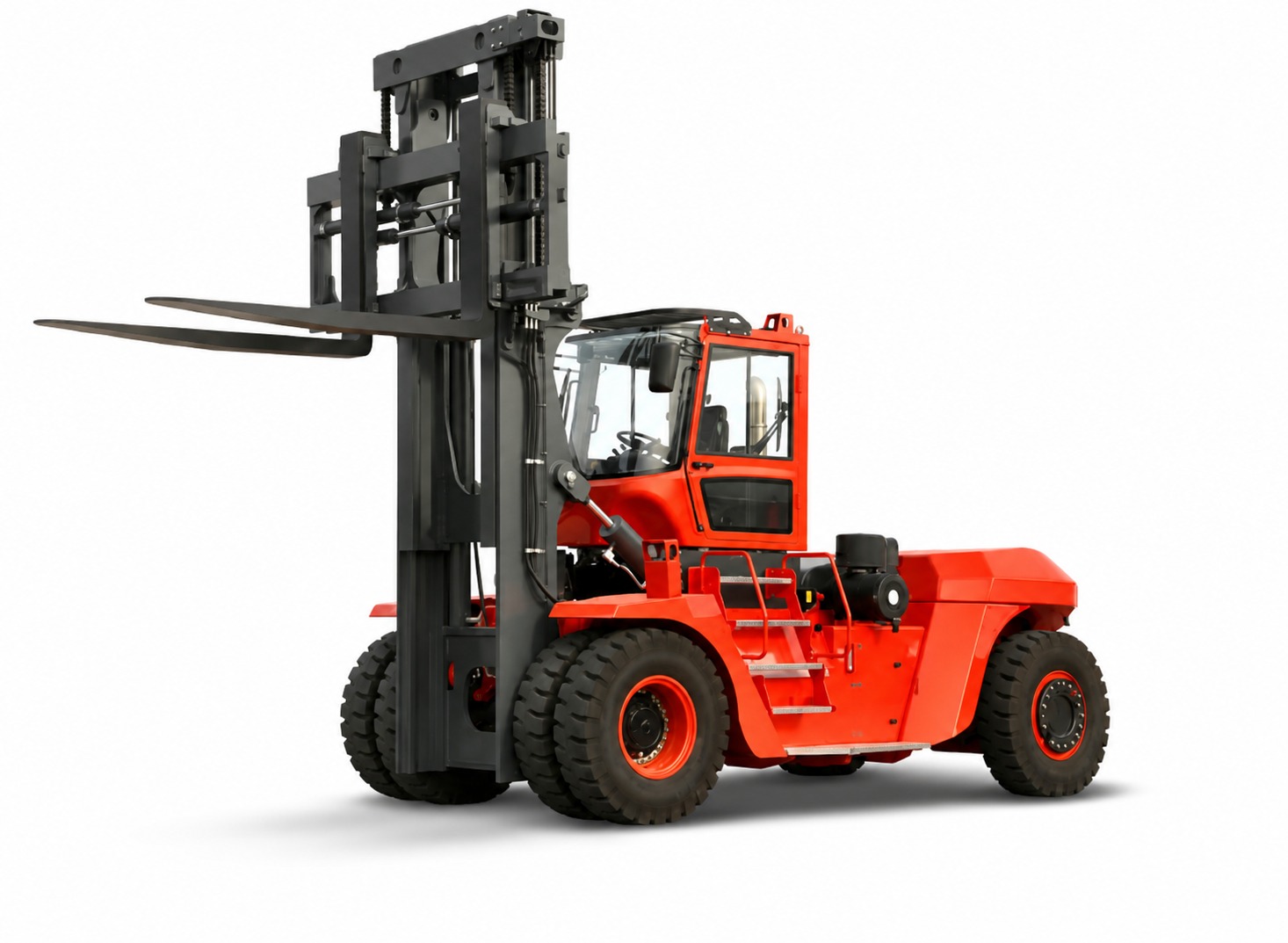
Handling of containers can be seen in a broad sense. It can be the moving of fully loaded containers, empty containers, container side cargo, pallets that have been taken out of a container or even heavy port supplies. The necessary equipment is determined by the specific task.
When a Diesel Forklift Makes Sense
Heavy Duty Diesel Forklifts are perfect for port and logistics work where the majority of goods are on the floor. These fork lift trucks are ideal for moving heavy objects such as crates, steel, packaged machinery, building materials, and much more. This type of equipment is also very suitable for a shipping yard where the cargo is very heavy but not too high to stack in containers.
For general yard work with different kinds of loads a forklift is more easy to use than a specialized container machine. It can be equipped with different kinds of forks or other attachments to make it suitable for different kind of loads to be used during a shift.
When a Reach Stacker Is Better
A reach stacker is ideal for work that involves lifting and stacking of shipping containers. It has reach, excellent visibility of the containers and a configuration that is specifically designed for work in container yards. Thus reach stackers are very effective in rail yards and in container depots where containers are placed deeper into rows and higher into stacks.
In many cases such as the site described above a reach stacker and a heavy duty diesel forklift can provide the required capability. The reach stacker can handle the containers whilst the forklift can deal with all the other heavy support cargo such as steel, plant, machinery etc as well as general loading tasks which do not require container stacking.
Features Buyers Should Check Before Purchase
Purchasing a heavy duty diesel forklift is not all about capacity in applications such as ports and steel yards. The small design details of the forklift can have great influence on issues such as safety, fuel consumption, maintenance time and operator fatigue.
Mast, Forks, and Hydraulic Control
The main stress on a forklift is on the mast and forks. If there is a reinforced mast then it will help when lifting very heavy loads on a regular basis throughout the shift. The hydraulic control should also feel good when lowering a heavy load or tilting the load near a rack, truck bed or storage line.
Severe hydraulic action can cause damage to the cargo or cause the driver to make overcorrection. This is particularly a problem with steel coils, stone, heavy plant and long / abnormal size loads.
Tires and Ground Conditions
solid tires are used in areas where there is a risk of puncture and that the ground is firm. On rough ground pneumatic tires offer the most shock absorption. Some yards would require dual front tires to provide extra stability when under heavy load.
Walk the yard before you place an order for tires. Look for broken concrete, sharp metal, soft spots, ramps, puddles of water, and where the big trucks typically go. Your tires should be picked for your specific site, not based on a guess.
Cabin Comfort and Visibility
Heavy loads often block the view. A wide-view mast, large windows, mirrors, cameras, warning lights and a clear dashboard are all important. In ports and steel yards, operators often work long shifts from the same seat. Therefore, the operator’s cabin must be particularly comfortable. The tired operator drives slower and more carelessly.
While air conditioning, suspension seating, low-vibration controls and clear pedal layout are often associated with luxurious items, on a hot or dusty yard, they are critical to ensuring the operator is alert.
Maintenance Access
A diesel forklift in heavy industrial use should be serviceable. The daily check should not require any disassembly. Checking the filters, fluids, cooling, hoses, tires, forks, mast rollers, and brakes should all be easy.
Time spent waiting for minor work to be done on a forklift is money lost by a port or steel service facility. Such delays, caused by a forklift idling around in the yard, can affect the processing of trucks and the movement of cargo off arriving ships as well as the loading and unloading of products at a producer’s facility. Maintaining a machine in service means having good access to it for routine maintenance.
Application Examples by Industry
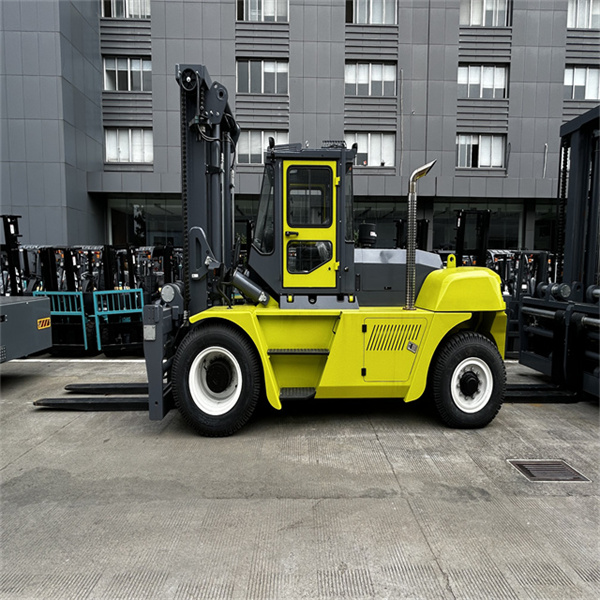
Even within industries, there are a variety of ways in which a heavy duty diesel forklift is used. A buyer should try to match the forklift they are looking to buy to the job cycle it will be used for, rather than to the name of an industry.
Ports and Shipping Yards
Diesel forklifts are commonly used in port operations to move heavy pallets, bundled up goods, crates, goods that require bulk cargo support, machinery parts and other supplies and materials needed for shipping. The machine needs to be stable when traveling, refueled quickly, have good brakes, and a clear view to the rear as it operates in a busy environment of trucks, trailers, and workers, as well as other machines.
Steel Yards and Metal Processing Plants
Steel yards are a very sensitive area, as the cargo is very heavy and very abrasive. So steel coils, steel plates, steel pipes, steel profiles – they can be very hurtful for your forks, for the floor where you’re operating, and for other cargo around you. So you need a forklift that can lift a lot of weight, that can move that load of weight around very stable, and that has the right attachment for the right kind of cargo you are storing in your steel yards.
Heavy Equipment and Manufacturing Plants
Large welded frames, castings, molds, engines and even large equipment bases are typically moved around by factories that manufacture machinery. In these operations a forklift is often used to transfer material between a workshop and an outdoor staging area. Care must be taken to move such loads smoothly as they may be very expensive, painted, sensitive to shock, or of limited production.
JinChengYu FORKLIFT as a Diesel Forklift Supplier
JinChengYu FORKLIFT is able to supply all sorts of materials handling equipment to foreign customers. The supplied products are diesel forklifts, electric forklifts, rough terrain forklifts, LPG forklifts, forklifts with side loaders, warehouse handling equipment and used forklifts and so on other related equipment and forklift attachments of the materials handling equipment of the logistics. Small, medium, big, light, heavy, extra heavy diesel forklifts are provided to the yards, warehouses, seaports, factories, etc. outdoor and indoor handling working places.
When comparing diesel forklift suppliers, the range of products is not the only important factor. The support offered by a supplier is also very important. Discussing the operator’s work environment, the type of loads to be lifted, the option of different tires and various attachments, spare parts and after-sales service all give potential buyers a much better impression of whether they are purchasing the right machine for their needs. In heavy materials handling, matching the correct forklift to a particular task or operation will in the long run cost less than the lowest initial purchase price.
Conclusion
Heavy duty diesel forklifts can still be suitable for ports, steel yards, container depots, shipping yards and heavy industrial sites because of their powerful, durable, and flexible outdoor ability. A suitable forklift must fit the real load, working environment, hours of work and necessary safety measures of the site.
If you buy to move steel, machinery, project cargo, construction goods or port based goods then just buying capacity is not good enough. You need to buy a whole range of things, i.e. weight, size, travel, frequency and after sales service from supplier.
FAQs
What is a heavy duty diesel forklift used for?
Heavy duty diesel forklifts are used to lift and move heavy loads in outdoor and industrial environments. They are used for a number of jobs including steel handling, port cargo handling, machinery handling, moving construction materials, timber yard work and large warehouse yard work.
Are diesel forklifts good for ports?
Diesel forklifts are commonly used at ports worldwide. They have lots of torque, quick refueling, good outdoor properties and plenty of lift height. However for piles of shipping containers Reach stackers or dedicated container handlers are more appropriate.
What forklift is best for steel yards?
Choosing the right forklift for steel yards depends upon the type of steel. Coils, pipes, flat steel and beams all need heavy-duty steel forklifts with great capacity, strong forks, sturdy chassis, good visibility and occasional optional accessories such as forks with different width, side-shift, positioning and others.
Can a diesel forklift handle containers?
Diesel forklifts can handle some container-related loads and general heavy duty work on the ground. But for typical lift and stack applications of standard shipping containers, a reach stacker or dedicated container handling machine is likely more suitable.
What should buyers check before choosing a heavy duty forklift?
There are things that you should check when you are buying a forklift such as the load weight, the load center, the lift height, the surface that the forklift is going to be working on, the type of tire that it has, how much space it will require to turn around, how many hours a day that it will be used, what attachments you will require, the operator’s vision when operating the forklift, the access that you will have to perform any maintenance on the forklift and the support that the supplier will be able to offer.