Have you ever thought about how builders pile up stuff on the upper floors without a big crane? Or how folks on farms get hay up into tall spots in a shed? That’s the job of telescopic handlers. People call them telehandlers for short. They really shine in moving heavy things. If you work in building, farming, or any place with big loads high up, learning all about telescopic handlers can cut down on problems and save time. Let’s get into it. We’ll cover the simple stuff first. Then we’ll look at the details that make them work well.
What Exactly is a Telescopic Handler?
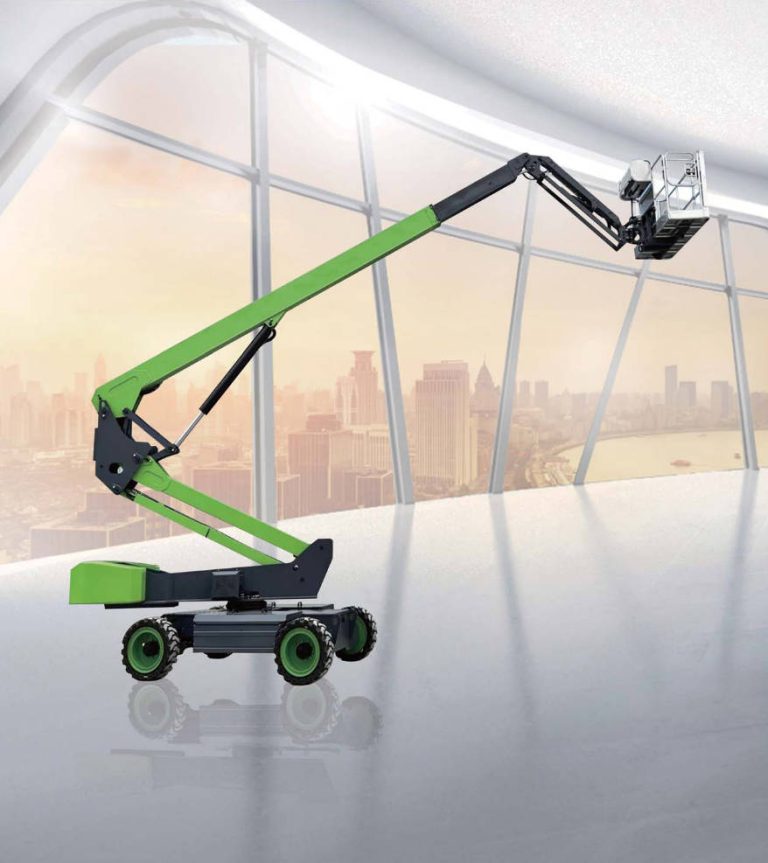
Think of a forklift that’s beefed up, with an arm that stretches out like in a crane. A telescopic handler is pretty much that. It’s a tough machine with a boom that stretches ahead and up. It lifts, carries, and sets down heavy items where normal forklifts can’t reach. A regular forklift lifts mostly straight. But a telehandler’s boom adds extra length. Some go as high as 50 feet in large types.
These machines showed up back in the 1970s. They came from off-road forklifts. Now, they’re common in rough places. Like dirty work areas or bumpy fields. Most run on diesel for strong pull. But some use electricity for inside jobs. I talked to a boss on a job site once. He said they were the best for not needing lots of tools. One telehandler can do what a forklift, crane, and even a scoop loader does.
Key Components That Make It Work
The main part is the boom. It’s made of sections that slide out. Hydraulics power it, so it moves easy. The cab is closed most times for the driver’s ease. Controls are simple once you get used to them. Wheels are large and bumpy for holding on dirt or rocks. Attachments change out quick, like blades on a pocket knife.
- Boom: Stretches and pulls back, with tilt options too.
- Chassis: Solid base with drive on all wheels.
- Engine: Diesel gives power, about 75 to 150 hp in most.
- Attachments: Forks, buckets, hooks, and more.
Common Uses and Applications for Telescopic Handlers
Telehandlers do great where you need height and stretch. In building work, they carry bricks to tops or place metal bars. Picture a crowded city build spot. A telehandler moves fast. It lifts bundles to high walks. No need for a full crane all the time. That speeds things up.
Farms use them a lot. Workers stack hay or fill high bins with feed. In storage places, they deal with big stock that small forklifts miss. Even in digging or yard work, they shift stones or soil with scoop add-ons. Here’s a real case. A team was adding to a storage building. They used a telehandler to put air units on a middle floor. It took half the time versus ladders and hand lifts.
They’re not only for hard jobs though. For events, small ones hang lights or set up stages. They handle many tasks.
Industries That Rely on Them
- Building: Getting stuff to high spots.
- Farming: Dealing with hay, food, or tools.
- Making things: Shifting parts in big plants.
- Shipping: Loading vans or boxes in harbors.
Essential Specifications to Look For
Picking a telehandler means checking numbers. How much it holds runs from 5,000 to 12,000 pounds. Think about your usual loads. Height for lift? From 19 feet in small ones to 56 feet in big. Stretch ahead matters. Some go 30 feet out.
Look at a type with 4-ton hold and 13.5-meter up. It weighs close to 11,500 kg. Wheel space is 3.67 meters for steady stand. Motor gives 92 kW, good for bumpy ground. Tires are 17.5-25, with 42 cm under to skip bumps.
Here’s a fast look at specs for different sizes:
| Specification | Compact Model (e.g., 3-4 ton) | Mid-Size (4-6 ton) | Heavy-Duty (6+ ton) |
|---|---|---|---|
| Load Capacity | 3,000-4,000 kg | 4,000-6,000 kg | 6,000+ kg |
| Max Lift Height | 6-10 m | 10-14 m | 14-18 m |
| Forward Reach | 3-6 m | 6-9 m | 9-12 m |
| Engine Power | 75-100 hp | 100-130 hp | 130+ hp |
| Weight | 7,000-9,000 kg | 10,000-12,000 kg | 12,000+ kg |
| Turning Radius | 3.5-4 m | 4-4.5 m | 4.5+ m |
Gas use counts. Pick ones with boosted diesel that don’t guzzle. Steering ways? Three like front, side, and all help in tight areas.
The Real Benefits of Telescopic Handlers
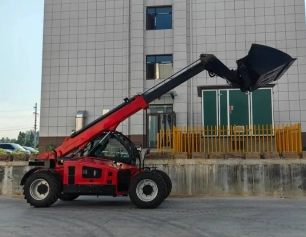
Why pick a telehandler over a basic forklift? Stretch, to start. They put loads where others fail. That means less renting other gear. Work goes faster. One tool lifts, hauls, and places. A group in building said sites with telehandlers moved stuff 20-30% quicker.
They’re tough too. Made for bad ground, they take mud, hills, and junk no problem. Safety gets better with legs that steady for high lifts. Add-ons mean one buy covers lots. Money-wise, they return fast in full jobs. Yeah, they cost more at first than simple forklifts. But the hours saved add up big.
They’re easy to move around. Side steer lets you dodge things like an expert. I’ve watched drivers slip through packed lots no sweat.
How They Stack Up Against Alternatives
Next to cranes: Telehandlers set up quick. No legs each time. Against forklifts: More stretch. Their mix makes them good for varied work.
Safety Tips Every Operator Should Know
Safety comes first with these. Check weight guides always. Too much load tips them easy. Use legs on bumpy dirt. They spread the hold like roots. Look over before work: wheels, fluids, stops. Buckle up. Rides get rough.
Get good training. Rules say trained folks have half the crashes. Watch for wires above or soft earth that tips. Talk to helpers on ground. Blind areas exist.
A tip from jobs: Go slow with new add-ons. They shift weight. No one likes a shaky load at height.
Maintenance Advice to Keep It Running Smooth
Your telehandler stays good with steady care. Each day: Look at levels—oil for push, cool stuff, gas. Oil joints each week to stop wear. Wheels? Fill air right and check cuts.
At 500 hours, swap screens and oil. Push system is key. Drips mean stops. Keep it dry and clean from weather. Hint: Write down use. Found a small fix early once. Avoided big cost.
For diesel, add stuff in cold to stop gel. Stick to the book. Skipping brings trouble.
JinChengYu FORKLIFT: Your Go-To Telescopic Handler Supplier
Out of Qingdao in China, JinChengYu FORKLIFT started in 2002. They focus on gear for moving stuff, like forklifts and store tools. Quality is their thing. They do diesel and electric kinds, plus off-road that link to telehandlers. The T1440 stands out. It’s a 4-ton type with 13.5m stretch, made for hard tasks. They send out worldwide. Offer changes and good help after buy. For solid telehandlers, their setup means parts and fix are close.
Conclusion
To sum up, telescopic handlers change how you work when lift and stretch count. From high builds to farm piles, they bring handy use and strength. Choosing right depends on what you need—numbers, parts, and care all matter. Set to improve your work? Check choices that match your setup.
FAQs
What is everything I need to know about choosing a telescopic handler for construction?
Begin with hold weight and stretch—like 4 tons and 13.5 meters for middle builds. Look at motor strength for pull on bad spots. Add safety like legs. Think about add-ons for many uses. Match to your ground always.
How do telescopic handlers compare to regular forklifts in terms of benefits?
Telehandlers give more stretch and height, up to 50 feet against 20 for forklifts. They do better on rough dirt with all-drive. Add-ons make them do lots. Cost more first, sure. But they cut tool count, save cash over time.
What maintenance tips should I follow for a telescopic handler?
Daily: Check fluids and wheels. Weekly: Oil parts that move. Each few hundred hours: Change screens and look at push system. Keep clean to stop rust. Write it all down—catches problems soon.
Are telescopic handlers safe for high-lift operations?
Yes, if used right. Add legs, stick to weight guides, train up. Things like level base help on hills. Crashes go down with daily checks and team talk.
Where can I find reliable telescopic handlers for my business?
Seek suppliers with tested numbers, like 92 kW motors and smooth drives. Look for world help and changes to suit you.