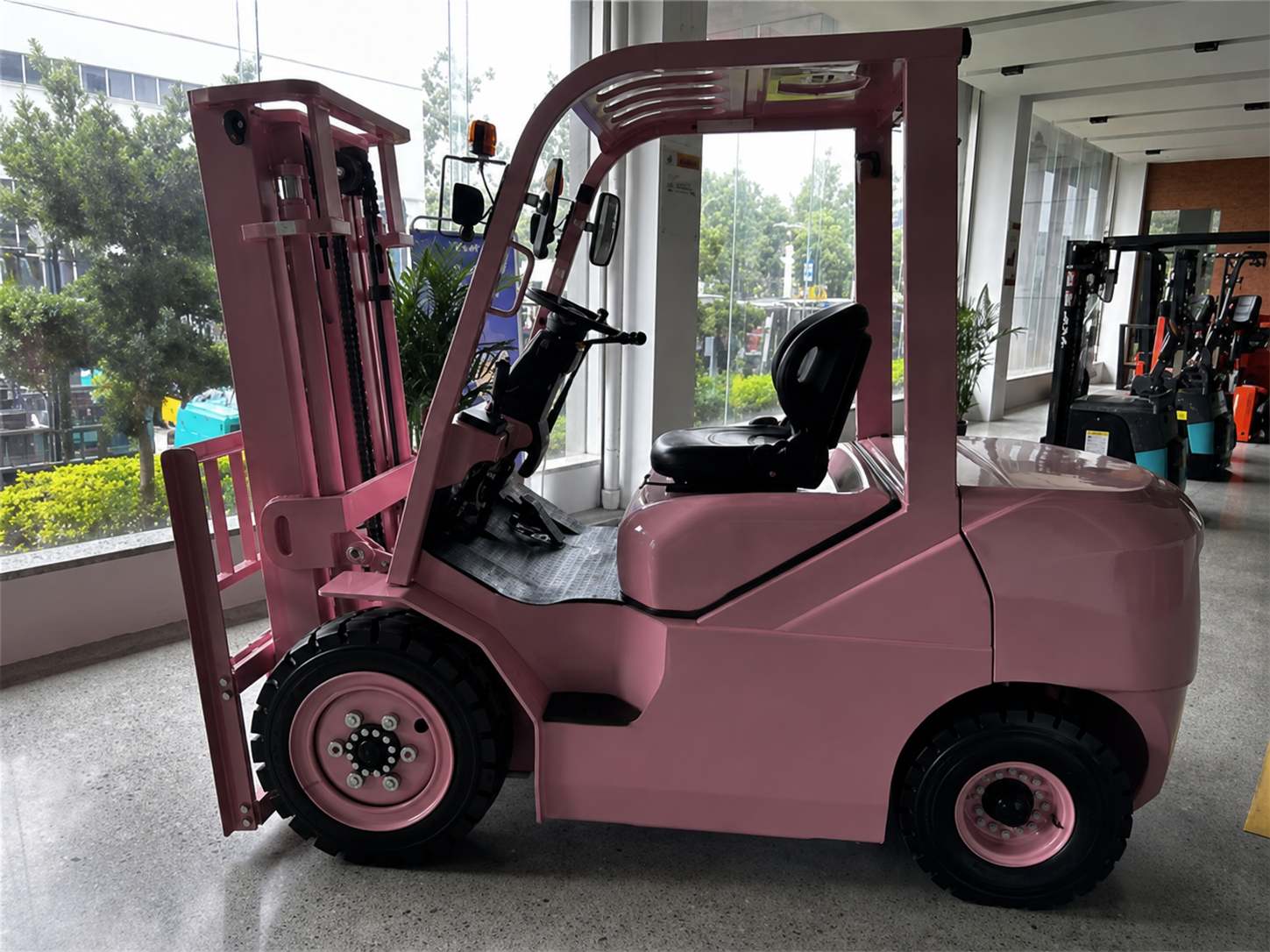
Truck bosses in active stores know the routine well. Mid-shift arrives. Then the timer starts on power unit waits. Old lead-acid types take hours to fill up and cool off. This forces extra rigs or battery swaps to keep jobs going. The 3ton pink high voltage lithium battery electric forklift turns this around. Its quick fill gets units back on task in roughly an hour.
Sites with two or three work periods gain the most. Shorter wait times lead to more boxes shifted. Schedules stay on track too.
The Real Cost of Slow Charging in 3-Ton Operations
Lead-acid power units usually require 6 to 8 hours for a full fill. They need cool time before reuse. Many stores run power areas with extra sets and set staff. This uses up room, worker pay, and gear use overall.
High-voltage lithium shifts the numbers. You top off in brief pauses or between work periods. No need to lose units for half a day. Some truck groups note 20-30% more work hours per rig. The gear sits idle much less.
How High-Voltage Lithium Technology Delivers
The pink 3-ton model uses a high-voltage lithium iron phosphate setup. This architecture pushes power more efficiently than lower-voltage systems. The result shows up in quicker charging and steady performance throughout the shift.
Typical real-world numbers for this class:
- Full recharge in roughly 1 to 2 hours depending on depth of discharge
- Up to 10-11 hours of continuous operation under mixed warehouse conditions
- Opportunity charging capability — plug in for 20-30 minutes and gain meaningful runtime
Operators no longer baby the truck to stretch battery life. They can run hard when needed and recharge without drama.
Daily Impact on Warehouse Throughput
Imagine a distribution center handling consumer goods. Peak hours see constant movement between receiving, picking, and shipping. With lead-acid trucks, you might lose one or two units to charging right when volume spikes. The high-voltage lithium version stays in the game longer.
One logistics operation switched a portion of its 3-ton fleet and tracked the difference. They cut battery-related downtime dramatically. Trucks that used to drop out for hours now handle extra cycles in the same shift. The fast turnaround also simplified scheduling — no more juggling spare batteries or rushing maintenance crews.
Construction supply yards and manufacturing plants see similar benefits. Indoor-outdoor work with varying loads benefits from consistent power delivery. Lithium iron phosphate chemistry holds voltage better under load, so lift speeds and travel performance stay strong even as the shift wears on.
Key Advantages Over Traditional Lead-Acid
- Faster turnaround — Charge during lunch or shift changes instead of overnight
- Maintenance-free — No watering, no equalizing charges, fewer service calls
- Longer lifespan — Lithium packs often deliver 3-4 times more cycles
- Energy efficiency — Less waste heat and better power transfer
- Eco-friendly operation — Zero emissions and quieter running for indoor use
The pink color on this model isn’t just for show. It improves visibility in busy yards and gives your fleet a distinct, professional look that stands out from standard yellow or orange machines.
Technical Features That Support Fast Charging
High-voltage systems (often in the 80V+ range) reduce current draw during charging, which means less heat buildup and faster safe recharge times. Combined with quality lithium cells, the setup supports frequent opportunity charging without hurting battery health.
Other practical touches include:
- Advanced controllers that manage power smoothly
- Clear digital displays for operators
- Safety features like automatic speed reduction during turns or with raised loads
- Robust build for daily heavy use in 3-ton applications
These details add up to a truck that operators actually enjoy running.
Charging Strategy Options for Different Operations
Single-shift facilities can often charge overnight and still have buffer time during the day. Multi-shift warehouses benefit most from opportunity charging — 30-60 minutes mid-shift keeps trucks productive. High-intensity operations can run nearly continuous by rotating a smaller fleet more efficiently.
Many managers find they need fewer total units once they switch to fast-charging lithium. That frees up capital and floor space.
Comparison: Lead-Acid vs High-Voltage Lithium (3-Ton Class)
| Aspect | Lead-Acid Systems | High-Voltage Lithium | Operational Impact |
|---|---|---|---|
| Full Charge Time | 6-8 hours + cool down | ~1-2 hours | More shifts covered |
| Daily Runtime | 6-8 hours typical | 10+ hours with opportunity charging | Higher utilization |
| Maintenance | Regular watering & checks | Virtually none | Lower labor costs |
| Battery Life | 1,000-1,500 cycles | 3,000-5,000+ cycles | Better long-term ROI |
| Opportunity Charging | Limited and harmful | Safe and effective | Flexible scheduling |
The numbers tell a clear story for fleet decision-makers.
Introducing JinChengYu FORKLIFT
JinChengYu FORKLIFT serves as a trusted telehandler and material handling equipment supplier based in Qingdao, China. The company focuses on delivering practical, reliable forklifts and warehouse solutions to customers worldwide. With strong manufacturing roots and a customer-first approach, they offer everything from compact electrics to heavy-duty machines built for real-world demands in logistics, manufacturing, and construction.
Conclusion
Quick filling has turned into a big shift for 3-ton truck tasks. The 3ton pink high voltage lithium battery electric forklift ends long fill waits. It cuts extra gear needs. Stores shift more goods with the same truck set. From steady energy flow to low fix work, high-voltage lithium tech lifts work rate right away. It drops full run costs too. Set to check what it does for your site? Grab the quick-fill details for the 3-ton lithium truck now.
FAQs
How fast can the 3ton pink high voltage lithium battery electric forklift actually recharge?
Most users see full charges in about 1-2 hours, depending on how deeply the battery was discharged. This makes same-shift top-ups practical.
What kind of daily runtime can I expect from this 3-ton lithium model?
Under typical warehouse conditions, it often delivers 10-11 hours of operation, with opportunity charging adding even more flexibility across multi-shift work.
Is high-voltage lithium safe for frequent charging throughout the day?
Yes. The lithium iron phosphate chemistry handles partial charges well and doesn’t suffer the memory effect or damage that older lead-acid batteries experience.
How does this forklift compare to lead-acid in maintenance requirements?
It’s essentially maintenance-free — no watering cells, no regular equalizing charges, and much longer overall battery life.
Can the 3ton pink high voltage lithium battery electric forklift work in cold storage or outdoor areas?
It performs well across a range of environments. The robust design and efficient battery system maintain strong performance whether indoors or in mixed-use yards.