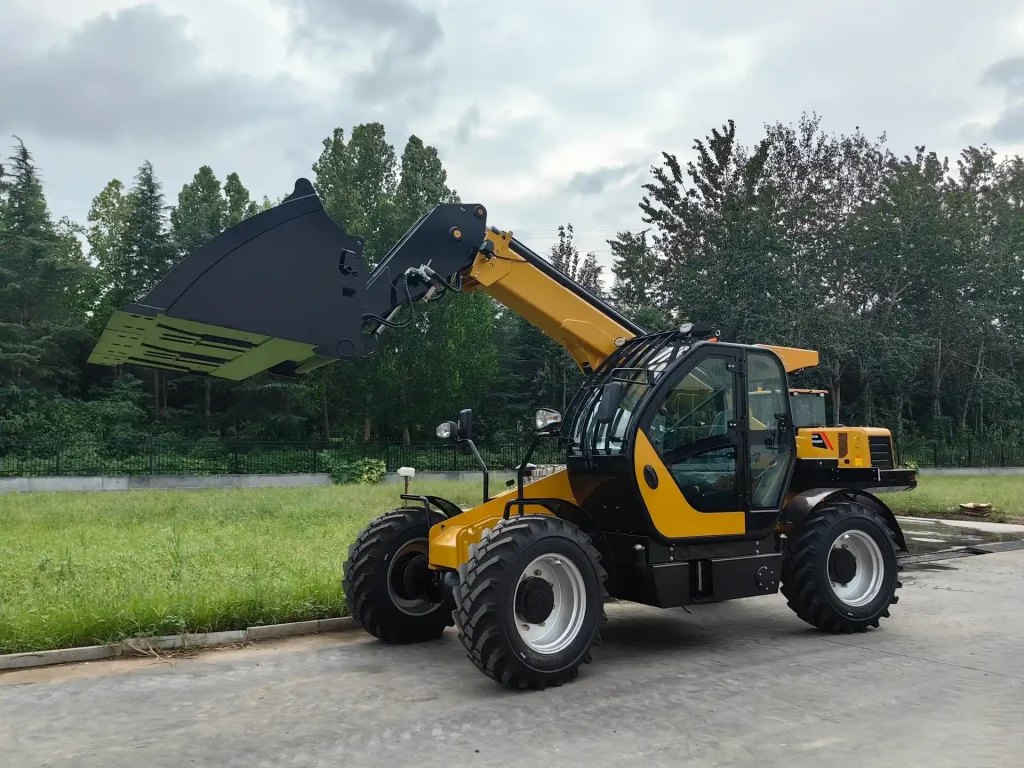
Firms in building, shipping, and factory fields deal with steady push to boost output, control spending, and keep safety. Picking the proper gear for moving goods matters a lot. But usual forklifts might not fit every job need. Telehandlers, also called telescopic handlers, now serve as a top pick for groups wanting flexible, tall-reach, and rough-ground skills.
Understanding the Limitations of Standard Forklifts
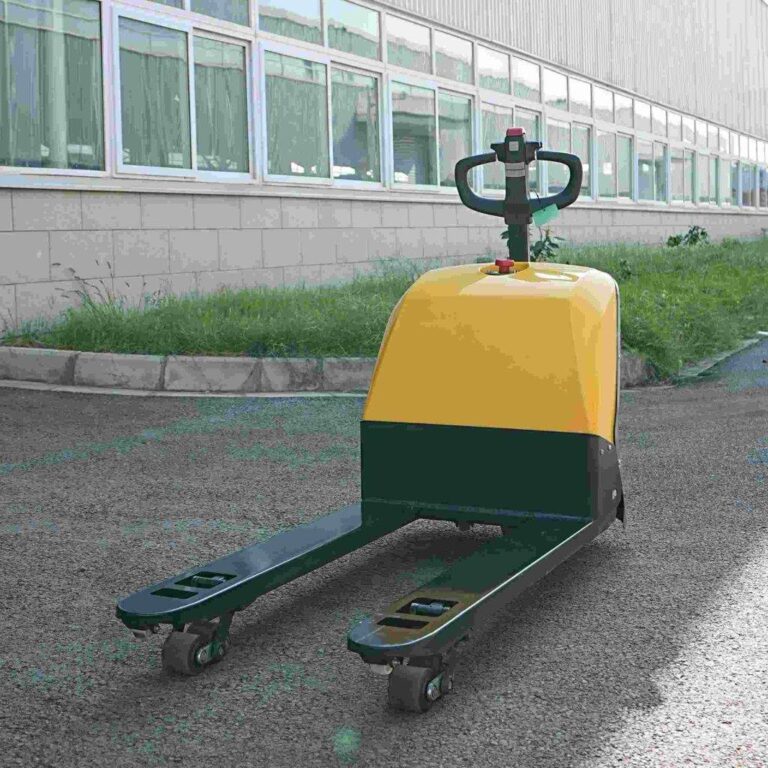
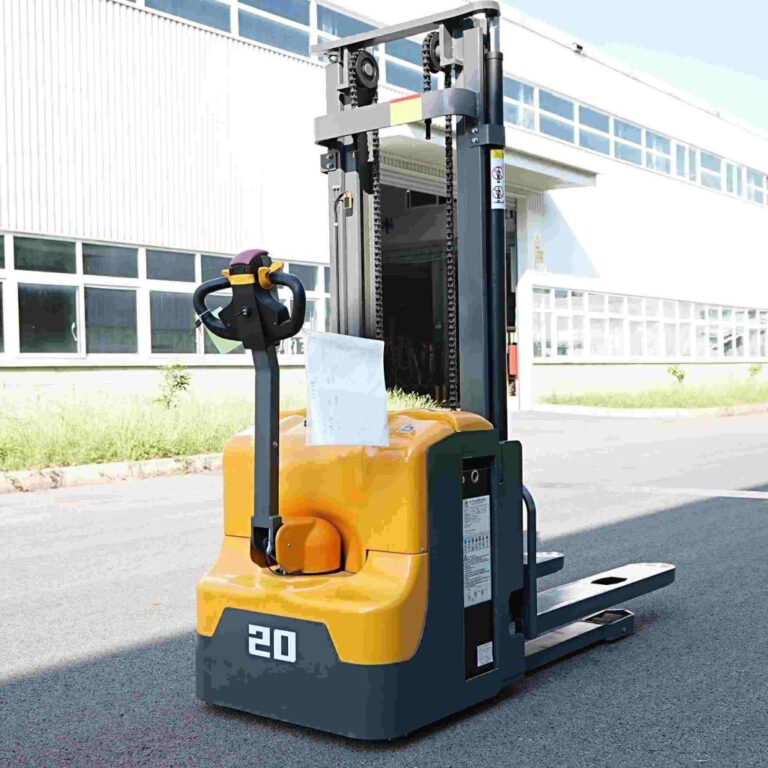
Usual forklifts see wide use in storage work and close-range good shifts. Yet they carry built-in weak spots. These slow work in varied job spots.
Restricted Reach and Height
Old-style forklifts work fine on level spots. But they face trouble with tall racks or two-level build areas. Their lift high stays low. So they slow down moving stuff to up places.
Limited Terrain Adaptability
Forklifts do okay on even storage floors. However, they hit issues on bumpy land. Build spots, outside lots, and fields often call for shifting big loads on loose dirt or stones. In those setups, usual forklifts can lose balance.
Operational Constraints
Forklifts need exact spots for load work. Tight paths, blocks, and odd ground can drag down tasks. They also raise crash chances. On top of that, the set post setup limits bend needed in changing work areas.
Telehandler Advantages: Beyond Basic Forklifting
Telehandlers mix traits of cranes and forklifts. They bring special gains. These fix the shortfalls of common forklifts.
High Reach and Versatility
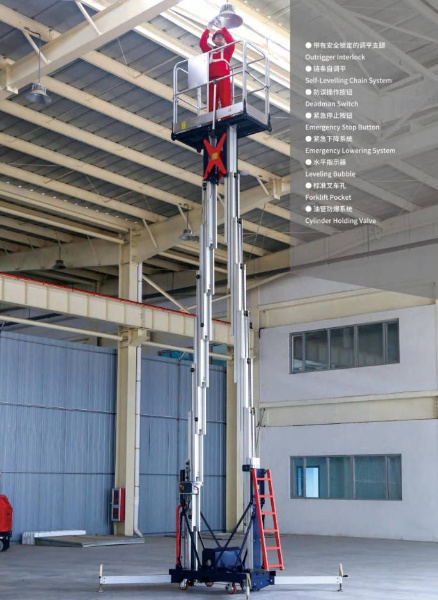
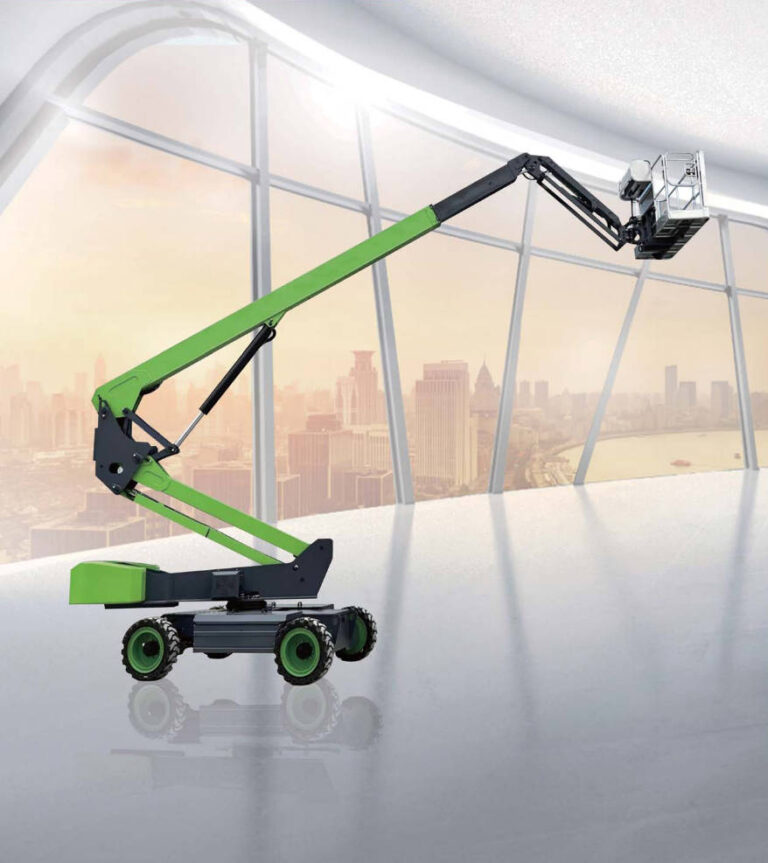
Telehandlers stretch their arms to raise stuff to taller spots. In building, they shift heavy parts to second or third levels. They do this without extra lift tools. In farming, telehandlers stack hay packs on high store shelves with ease.
- Lift height: typically up to 20 meters depending on the model
- Load capacity: 2–5 tons for common industrial applications
- Multiple attachment options, such as buckets, hooks, and forks
All-Terrain Capability
Telehandlers get built to manage tough ground. Four-wheel drive setups and special wheels let safe runs on mud, stones, and bumpy spots. This fit cuts wait time. It also skips need for extra gear.
- Suitable for outdoor construction sites, farm yards, and mining operations
- Maintains stability when handling heavy loads on inclines
- Enables operations in confined or rugged environments
Multi-Functionality
One telehandler can do many jobs. These would call for several units otherwise. Switching add-ons lets it raise, shift, and set goods of all sorts and forms. It does so without much hand work.
- Forks for pallet handling
- Buckets for loose materials
- Hooks for suspended loads
Key Reasons Companies Prefer Telehandlers
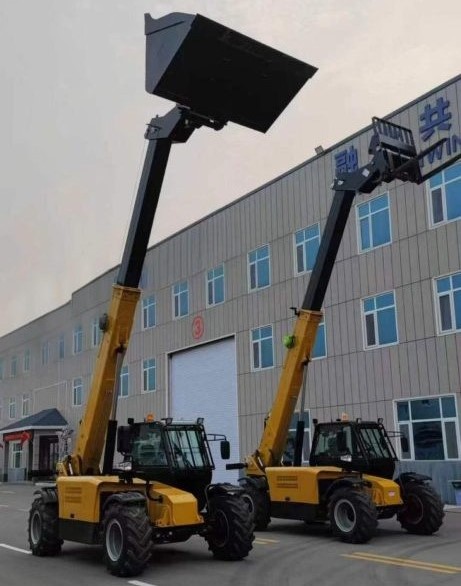
The choice to buy telehandlers comes from clear work gains.
Enhanced Productivity
Telehandlers cut the steps needed for load and unload. In storage, they touch tall shelves without moving packs over and over. On build spots, stuff gets to up work zones quicker.
- Example: A medium-sized construction site using a telehandler cut material transport time by 35% compared to traditional forklifts
- Multiple attachments increase task flexibility without additional equipment
Cost-Effectiveness Over Time
Telehandlers might cost more at first than usual forklifts. But their fit and strong build lead to savings in the long run.
| Factor | Telehandler Advantage |
|---|---|
| Equipment Count | One machine replaces 2–3 specialized vehicles |
| Maintenance | Simplified servicing reduces downtime |
| Labor | Fewer operators needed for multi-task operations |
Improved Safety
Balance and safety parts sit at the core of telehandler build. Load-feel tech, steady bases, and balance weights cut tip risks. Workers can handle stuff at high with stronger hold. This lowers site mishaps.
- Safety features include load charts, telescopic boom stabilization, and cabin visibility enhancements
- Operators trained on telehandlers report fewer handling errors compared to standard forklifts
Practical Applications Across Industries
Telehandlers do not stick to one field. Their setup fits many job wants. This makes them useful in varied areas.
Construction Sites
- Lifting scaffolding, bricks, and heavy equipment to elevated floors
- Navigating rough terrain without additional stabilizers
- Quick repositioning across the site reduces project delays
Warehousing and Logistics
- High-reach shelving for pallet storage
- Efficient movement of oversized goods
- Reduces congestion in warehouse aisles
Agriculture and Farming
- Transporting feed, hay, or fertilizer to storage platforms
- Operating on soft soil without getting stuck
- Multiple attachments for grain, silage, and farm equipment handling
JinChengYu FORKLIFT as a Telehandler Supplier
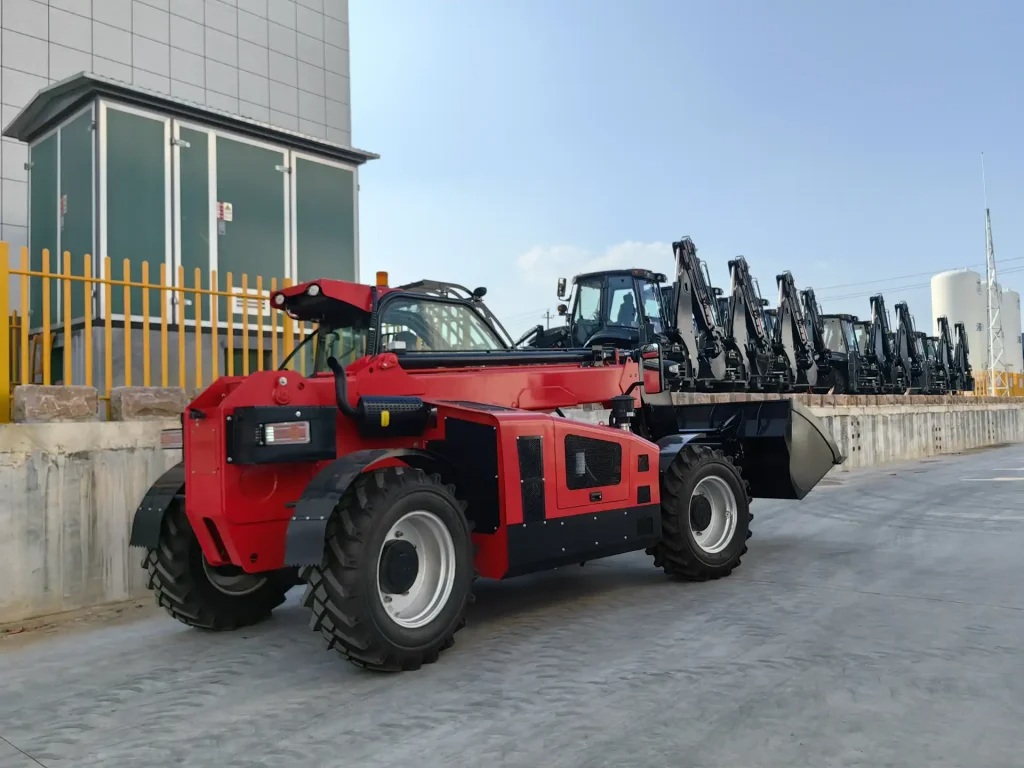
JinChengYu FORKLIFT has set up as a steady telehandler provider. They stress strong build, work output, and safety. Their units back firms in many fields.
- Equipment designed for all-terrain and high-reach operations
- Customizable attachments for different industry needs
- Maintenance and support services ensure long-term operational reliability
- Practical design reduces the need for multiple machines, offering a consolidated solution for companies managing material handling costs
Their telehandlers fit mid and big firms. They also suit farms or small spots. These need a flexible, tough, and safe way to move goods.
Conclusion
Telehandlers offer a mix of reach, flexibility, and balance that usual forklifts can’t equal. Firms in building, storage, and farming gain from better output, less work, and stronger safety. Their skill to manage tough ground and big loads makes them key for current jobs.
Picking a telehandler can smooth work flows. It cuts gear repeats and boosts full output. Providers like JinChengYu FORKLIFT give steady, lasting units. These meet the needs with full help and changes. Groups looking for a bendy, good way to handle goods now pick telehandlers as their main gear.
Frequently Asked Questions
How high can a telehandler lift materials?
Most telehandlers can reach 12–20 meters depending on their configuration, allowing access to multi-story buildings, high shelving, and elevated storage areas.
Can telehandlers operate on rough terrain?
Yes. Telehandlers are equipped with four-wheel drive, specialized tires, and stabilizers to handle mud, gravel, uneven soil, and slopes safely.
Are telehandlers cost-effective for small businesses?
While initial investment may be higher than a standard forklift, the multi-functionality, reduced labor requirements, and lower need for additional machines make telehandlers a long-term cost-saving option.
What attachments are available for telehandlers?
Common attachments include forks, buckets, and hooks. Specialized attachments can be fitted to handle materials such as construction supplies, agricultural goods, and warehouse pallets.