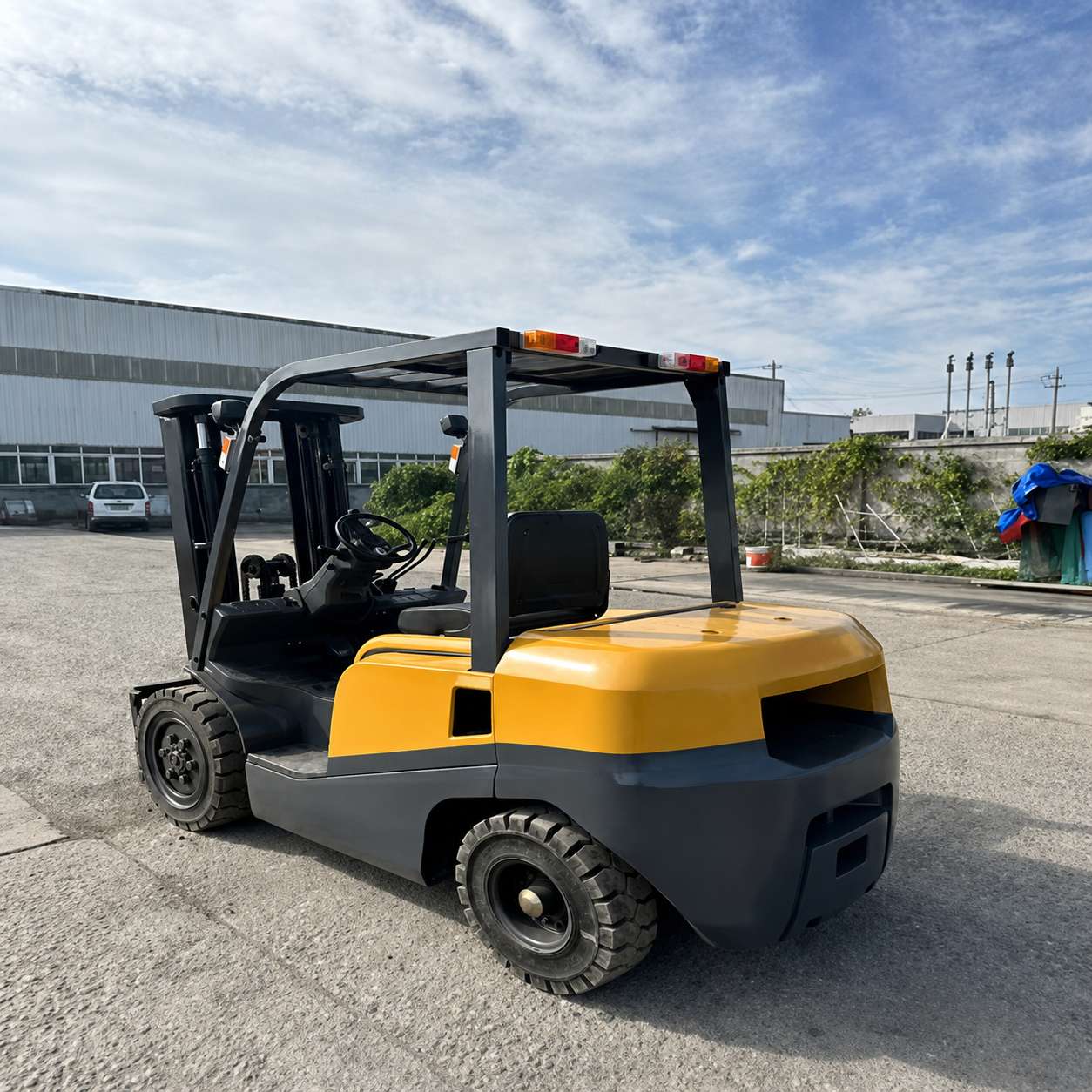
A used electric forklift can be a practical buy for warehouses, factories, retail storage rooms, food distribution centers, and small logistics yards. It gives clean indoor operation, lower noise, and no fuel storage on site. But the saving only makes sense when the truck is checked carefully before payment.
The biggest risk is not always visible from the outside. Fresh paint, clean tires, or a polished counterweight can hide weak battery life, poor charging history, worn mast rollers, hydraulic leaks, brake delay, or missing service records. Before buying a used electric forklift, buyers need a clear inspection routine that connects the machine’s condition with real daily work.
Why Used Electric Forklifts Need a Careful Pre-Payment Check
Electric forklifts have fewer engine parts than diesel trucks, but that does not mean they are simple to buy. Their value depends heavily on battery condition, charger match, motor response, wiring, controller performance, mast stability, and warehouse fit.
Electric forklifts have different risk points
A fuel-powered truck often raises questions about engine smoke, gearbox wear, radiator condition, and fuel system problems. A second hand electric forklift is different. The battery pack is the heart of the truck. If it is weak, the forklift may still lift a pallet during a short demo but fail during a full shift.
A strong used electric forklift checklist should cover:
- Battery age, voltage, charging time, and working time
- Charger compatibility with local power supply
- Mast, forks, carriage, rollers, and chains
- Hydraulic hoses, cylinders, and oil leakage
- Brakes, steering, lights, horn, and emergency switch
- Tire wear, frame condition, and operating hours
- Service records and previous repair history
For a warehouse running two shifts, a poor battery can turn into daily downtime. For a small shop, a broken charger may delay deliveries. For an overseas buyer, the wrong plug, voltage, or missing battery record can become expensive after shipping.
The truck must match the warehouse job
A used electric forklift for warehouse work should be selected by job scene, not just price. A small e-commerce warehouse moving cartons on pallets has different needs from a beverage distributor lifting heavy pallets onto high racks. A parts warehouse may care more about turning radius, while a cold-chain staging area may care more about clean operation and steady battery output.
Before payment, buyers should list the real working conditions:
| Working factor | What to confirm before buying |
|---|---|
| Load weight | Average pallet weight and maximum load |
| Lift height | Rack height, container loading height, or mezzanine level |
| Aisle width | Turning radius and truck body size |
| Shift length | Battery runtime and charging schedule |
| Floor condition | Smooth concrete, ramps, dock plates, or uneven areas |
| Charging area | Power supply, ventilation, and charger placement |
A cheap truck becomes costly if it cannot turn in the aisle, reach the rack, or run long enough for the shift.
Check the Battery Before Anything Else
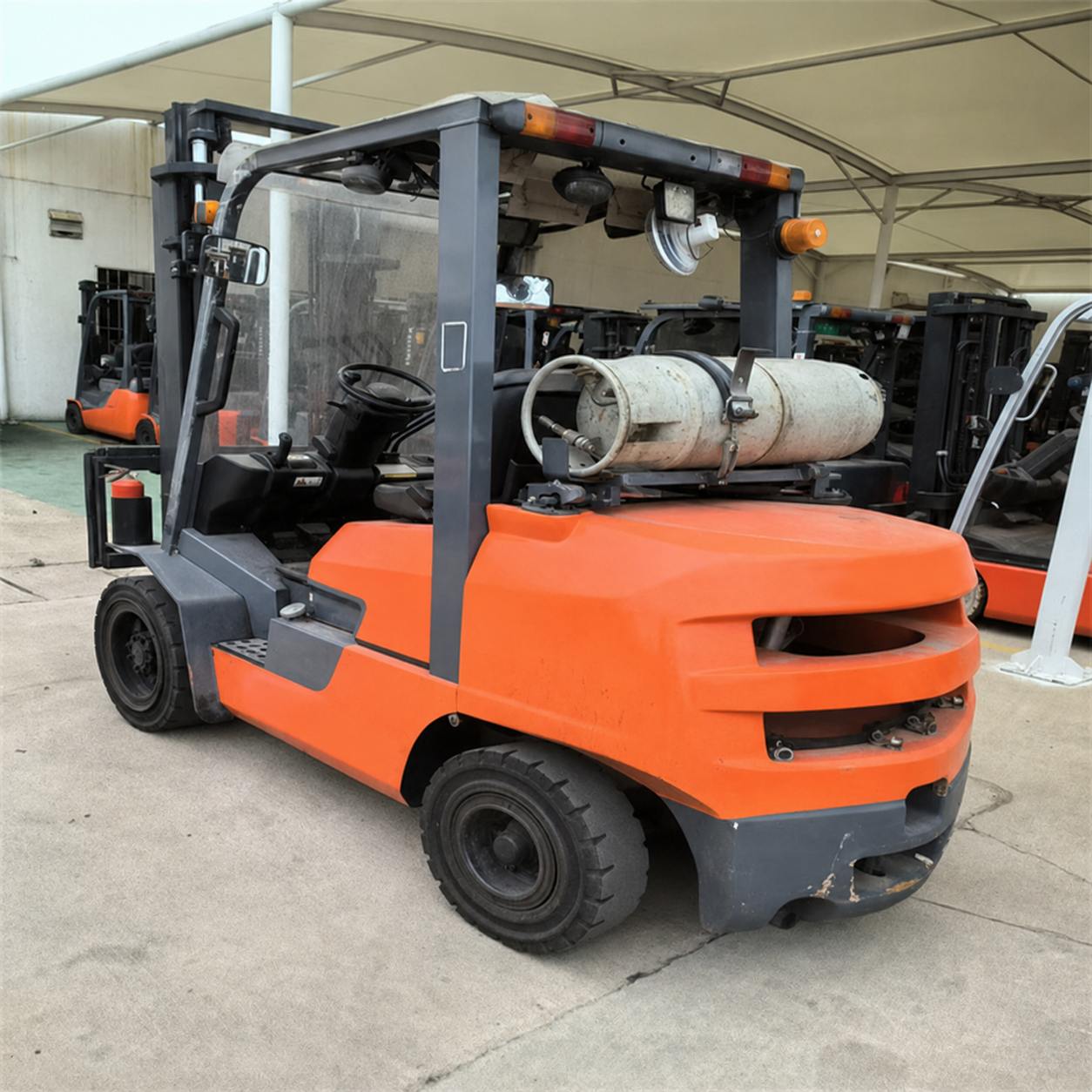
The battery is often the most important part of a used electric forklift inspection checklist. It affects runtime, lifting speed, resale value, and future repair cost.
Identify the battery type and age
Start with the battery nameplate. Check voltage, capacity, production date, rated amp-hours, and whether the battery is lead-acid or lithium. A lead-acid battery usually needs regular watering, cleaning, equalizing, and proper cooling time after charging. A lithium battery often charges faster and needs less daily care, but the buyer still needs to check cycle count, battery management status, and charging history.
Do not judge the battery only by whether the forklift turns on. A weak used forklift battery may still move the truck for ten minutes. The better test is how it performs under load, after lifting, driving, braking, and turning several times.
Ask for battery records when possible. Useful records may include:
- Battery replacement date
- Charging and equalization history
- Watering records for lead-acid batteries
- Capacity test results
- Repair notes for cells, cables, plugs, or connectors
If no records are available, the price should reflect that risk.
Look for signs of a bad used forklift battery
A visual check can reveal many problems. Open the battery compartment and inspect the case, cables, terminals, plugs, and hold-down parts. Corrosion around terminals, damaged insulation, burn marks, acid smell, swelling, or wet areas should not be ignored.
During a test drive, watch for warning signs:
- Power drops quickly after a short drive
- Lifting speed becomes weak under load
- Battery meter falls faster than expected
- Charger stops too early or fails to finish charging
- Cables or connectors feel hot after use
- Dashboard shows battery or controller faults
A used electric forklift battery replacement cost can change the whole buying decision. When the battery is near the end of life, the buyer is not only buying a forklift. The buyer is also buying a future battery bill.
Confirm charger compatibility
A good battery still needs the right charger. Check whether the charger is included, whether it matches the forklift battery voltage, and whether the input power fits the buyer’s site. Overseas buyers should also check local voltage, phase, plug type, and charging space.
For warehouse buyers, charger placement matters. The charging area should allow safe parking, clear access, and enough room for operators. If the charger is missing, damaged, or not matched to the truck, that cost should be added before payment.
Inspect the Mast, Forks, and Lifting System
A used electric forklift is bought to lift and move loads safely. The lifting system should be checked under real conditions, not only while the truck is parked.
Test mast movement under load
Raise and lower the mast several times. Then test it with a pallet close to normal working weight. The mast should move smoothly without shaking, jumping, scraping, or sudden drops. Listen for metal noise. Watch the chain movement. Check whether both sides rise evenly.
A forklift mast inspection should include:
- Mast rails for cracks, bends, or heavy wear
- Chains for rust, loose links, or poor lubrication
- Rollers for flat spots or rough movement
- Tilt cylinders for leakage
- Lift cylinders for oil marks or sinking
- Carriage movement under load
One simple test is to lift a pallet and hold it in the air for a short time. If the load slowly drops without control input, the hydraulic system may need repair.
Inspect forks and carriage
Fork damage is a serious warning sign. Forks carry the load directly, and small cracks near the heel can become dangerous. Check both forks from the side and front. They should be straight, even in height, and free from visible cracks.
The fork heel, tips, locking pins, and carriage hooks need close attention. Heavy heel wear usually means the truck has carried many loads, even if the hour meter looks low. Bent fork tips may show poor operation or impact damage.
Do not accept “it still works” as a full answer. Fork condition affects load safety every day.
Test Driving, Braking, and Steering
A proper used forklift inspection before purchase includes a real test drive. A short start-up in the seller’s yard is not enough.
Drive it like it will work after delivery
Drive the forklift forward and backward. Turn left and right. Stop several times. Lift and lower a load. Try low-speed control near a pallet. Test it on a slight ramp if that matches the buyer’s worksite.
Pay attention to:
- Delayed response from accelerator or travel control
- Sudden jerks during start or stop
- Steering noise or uneven turning
- Brake delay or weak stopping power
- Unusual vibration from drive motor or wheels
- Warning lights on the display
- Power drop during lifting and driving together
For a used electric forklift for small warehouse use, smooth low-speed control matters a lot. Operators may work near racks, doors, walls, and stacked goods. A truck that feels rough in a test drive can become a daily safety concern.
Check safety devices
Safety devices should be tested one by one. Check horn, lights, reverse alarm, brake lights, seat switch, emergency stop, parking brake, mirrors, overhead guard, and load rating plate. The data plate should be readable and match the truck configuration.
A missing plate, unreadable capacity information, or disabled warning device should be treated as a serious issue, not a small detail.
Review Tires, Frame, and Body Condition
The outside of the forklift can reveal how the machine was used. A clean body is helpful, but structural clues matter more.
Read tire wear by application
Electric forklifts often use solid tires or polyurethane tires for indoor work. Look for cracks, flat spots, chunking, uneven wear, and thin tread. Poor tires affect braking, turning, stability, and floor protection.
Uneven tire wear can also point to steering problems, rough floor use, or poor maintenance. Replacing tires may not be as expensive as replacing a battery, but it still changes the real used forklift price.
Look past the paint
Repainting is common in the used forklift market. It is not always a problem, but it should not replace mechanical inspection. Check the frame, overhead guard, counterweight, mast welds, and battery compartment for signs of impact.
Warning signs include fresh paint over rust, uneven weld marks, bent guards, loose panels, cracked covers, or a counterweight that looks damaged. A forklift that has been hit hard may still move, but alignment, steering, mast safety, and resale value may suffer.
Ask for Hours, Records, and Real Cost
The payment decision should be based on total cost, not the asking price alone. A lower price may hide battery, charger, tire, or hydraulic repairs.
Check operating hours with real wear
Forklift operating hours are useful, but they are not the whole story. A truck with moderate hours and good service records can be a better buy than a low-hour unit that sat unused, charged poorly, or worked in wet conditions.
Compare the hour meter with visible wear. Heavy fork heel wear, loose mast rollers, smooth pedals, damaged seat, and worn tires may not match a low reading. If the meter reading looks too good, ask more questions.
Review service records
Service records help separate a managed fleet truck from a neglected one. Ask for maintenance history, inspection reports, battery work, charger repair, hydraulic repairs, tire changes, and controller service.
Here is a simple way to read the records:
| Record type | Why it matters |
|---|---|
| Battery service | Shows care, charging habits, and possible replacement need |
| Hydraulic repair | Reveals leaks, cylinder issues, or pump wear |
| Tire replacement | Shows usage intensity and floor condition |
| Brake service | Affects safety and operating cost |
| Controller repair | Can point to electrical faults or poor handling |
| Regular inspection | Shows whether the truck was managed as working equipment |
No records do not always mean the forklift is bad, but they increase risk. The inspection should be stricter, and the price should leave room for repairs.
Final Used Electric Forklift Checklist Before Payment
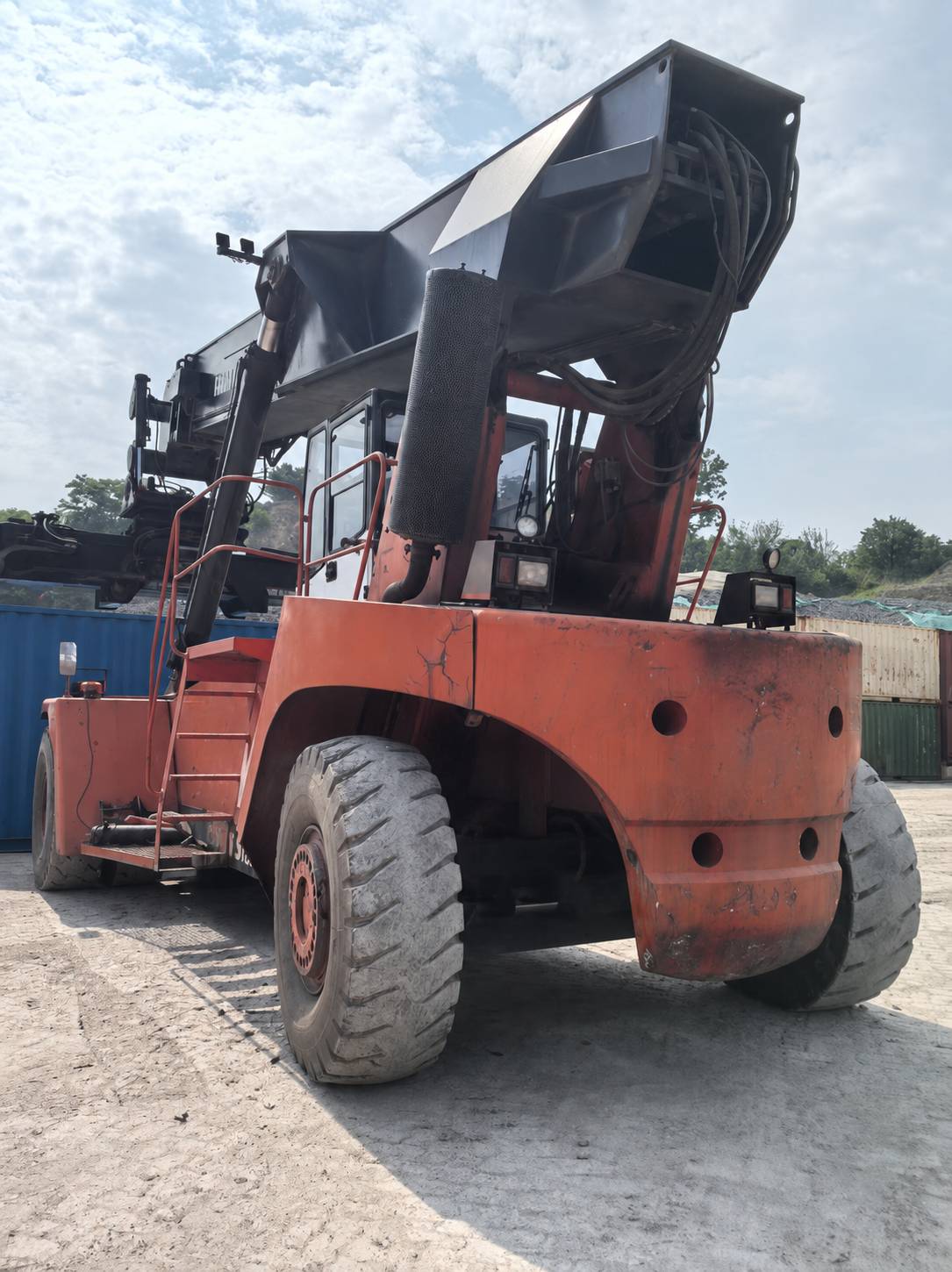
Before paying, buyers should slow down and check the forklift as a working tool. This final checklist can be used during seller visits, video inspection, or pre-shipment review.
What should be checked before paying?
Use this list before making the final decision:
- Confirm battery type, age, voltage, and capacity
- Check battery terminals, cables, case, plugs, and warning lights
- Test runtime, lifting speed, and power under load
- Confirm charger voltage, plug, and site power match
- Inspect mast rails, rollers, chains, cylinders, and tilt function
- Check forks, fork heels, carriage, and load backrest
- Look for hydraulic leaks after lifting and holding a load
- Test forward, reverse, steering, braking, and parking brake
- Check tires, frame, counterweight, overhead guard, and repainting signs
- Read operating hours and compare them with visible wear
- Ask for service records and battery history
- Confirm spare parts support and after-sale communication
- Test the truck in a job scene similar to daily warehouse use
If the seller cannot answer basic questions about battery, charger, lifting condition, or service history, the buyer should be cautious.
JinChengYu FORKLIFT as a Used Forklift Supplier
JinChengYu FORKLIFT supplies material handling equipment, warehouse equipment, ground service equipment, spare parts, and used forklifts for overseas buyers. Its used forklift category covers different load capacities and warehouse handling needs, while the broader product range includes electric forklifts, diesel forklifts, LPG forklifts, rough terrain forklifts, side loaders, warehouse handling equipment, attachments, wheel loaders, aerial work platforms, and other industrial equipment.
For used forklift buyers, supplier support matters because the buying process often depends on condition details before shipment. Practical support can include machine photos, working videos, pre-shipment checks, basic condition review, product matching, export communication, and spare parts discussion. This is especially important for buyers who cannot inspect the truck in person before loading.
Businesses comparing a used forklift supplier should look beyond stock photos. A better sourcing process should connect the truck’s capacity, lift height, battery condition, charger match, and warehouse scene before the final payment. Buyers who need more options can also review forklift and warehouse handling equipment or send working requirements through the contact page.
Conclusion
A used electric forklift can lower equipment cost for warehouses, factories, distributors, and small storage operations. The best result comes from checking the truck before payment, not after delivery. Battery condition, charger match, mast stability, fork wear, hydraulic leaks, brake response, tires, operating hours, and service records all affect the final value.
The right checklist helps buyers avoid hidden repair costs and choose a truck that fits real work. Price matters, but condition, safety, and supplier support decide whether the purchase becomes a useful warehouse asset or an expensive problem.
FAQs
What should be checked first when buying a used electric forklift?
The battery should be checked first. Battery age, voltage, charging time, runtime, terminals, cables, and service records have a major impact on the truck’s real value. After that, check the charger, mast, forks, hydraulic system, brakes, tires, operating hours, and service history.
How can a buyer tell if a used forklift battery is weak?
A weak battery may charge slowly, lose power quickly, heat up at the connectors, show corrosion, leak fluid, or drop in power while lifting and driving. A short yard test is not enough. The truck should be tested under load for a more accurate view of battery condition.
How many hours are too many for a used electric forklift?
There is no single number that fits every truck. Hours should be compared with battery condition, maintenance records, tire wear, fork wear, mast movement, and the job it will handle. A well-maintained truck with higher hours may be safer than a low-hour truck with poor records.
Is a used electric forklift good for a small warehouse?
Yes, it can be a good choice when the work is mainly indoor pallet handling, short-distance transport, rack loading, or retail storage. The buyer should confirm aisle width, load weight, lift height, floor condition, battery runtime, and charging space before purchase.
What makes a used electric forklift supplier reliable?
A reliable supplier should provide clear machine details, condition photos, working videos, battery and charger information, export support, and practical communication before payment. After-sale parts support and experience with warehouse equipment also matter for long-term use.