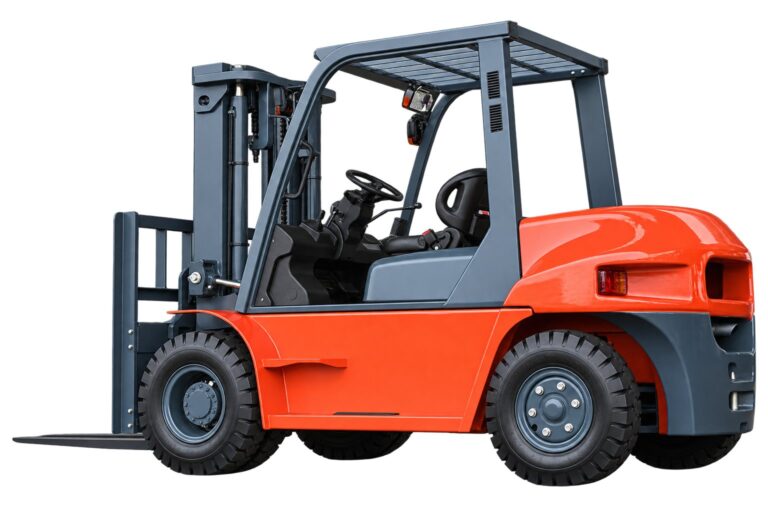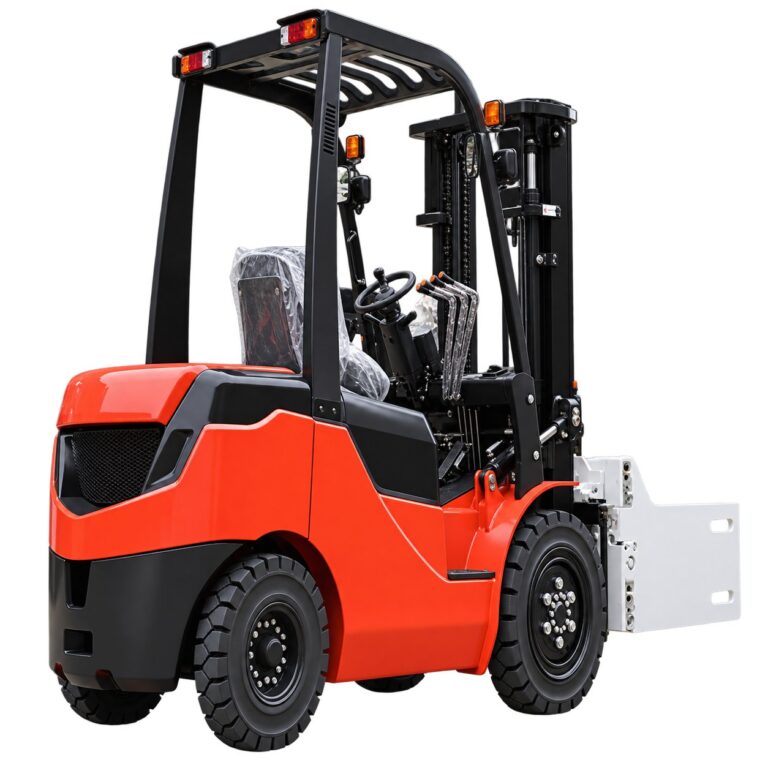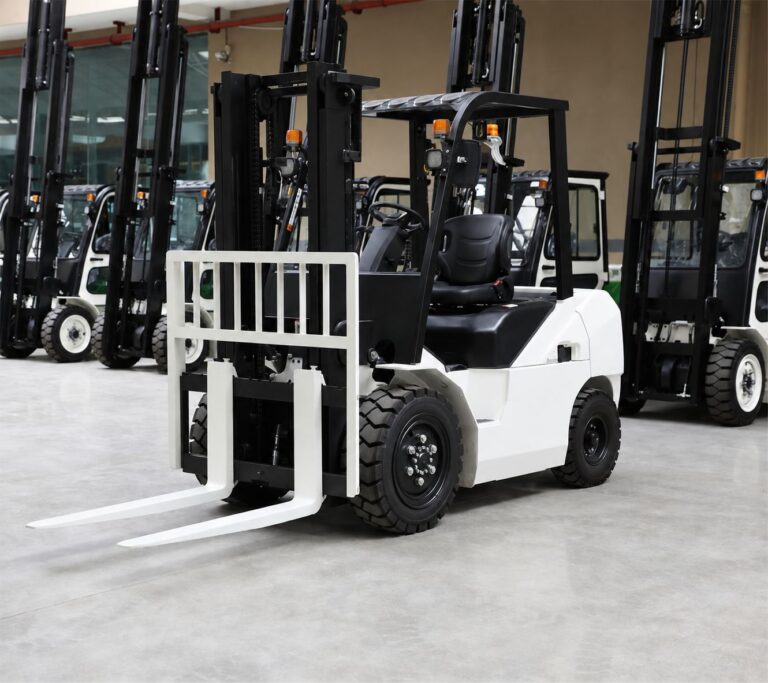
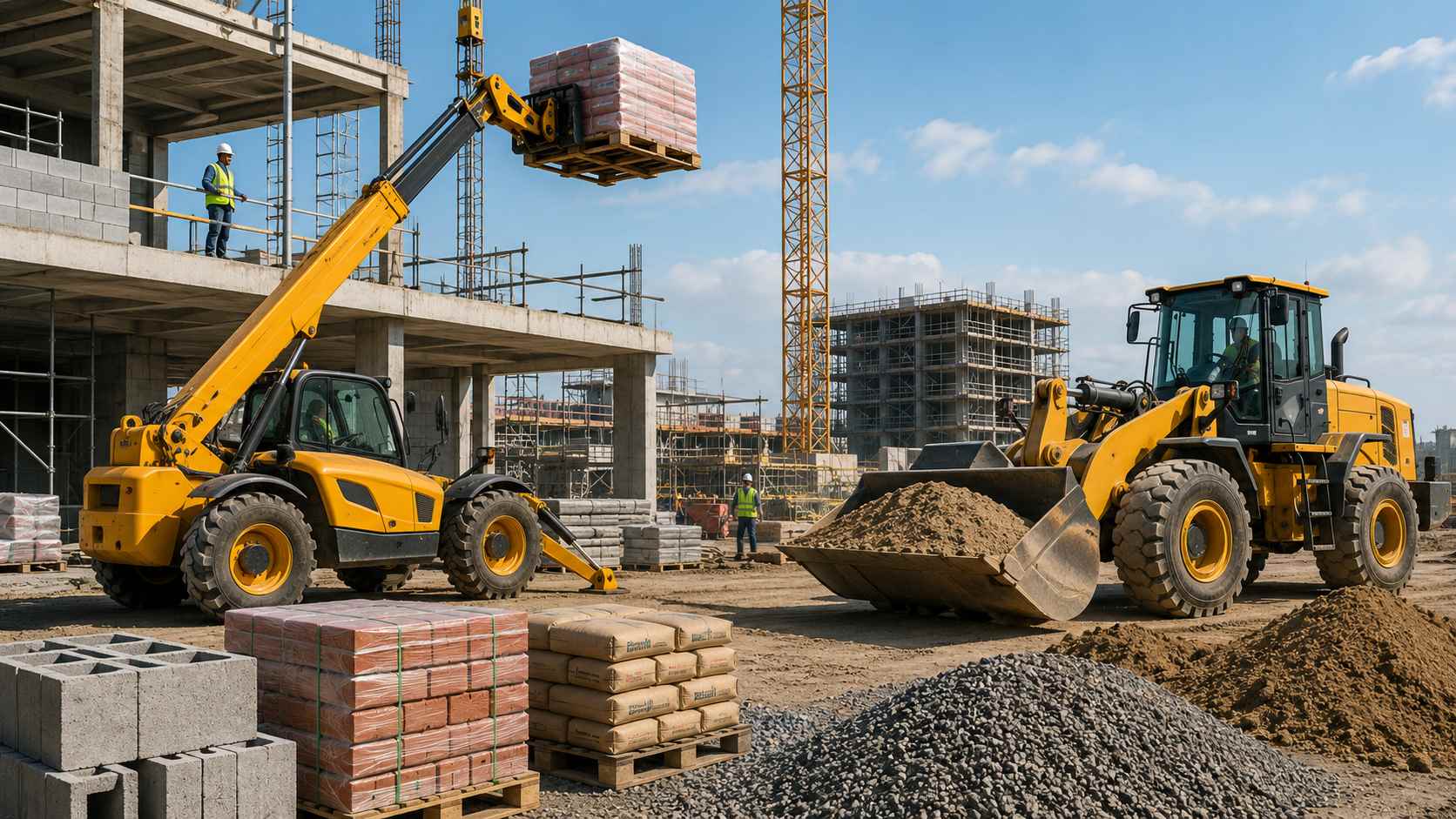
Building material handling looks simple until a jobsite starts moving at full speed. Pallets of blocks arrive before the slab is clear. Sand and gravel need to be shifted before trucks queue up. Steel, pipes, roof panels, timber, cement bags, debris, and mixed pallets may all appear in the same week. In that situation, the choice between a telehandler and a wheel loader is not only about lifting power. It is about the way materials move through the site every day.
A telehandler is a piece of equipment suited for lifting to height, reaching forward and placing loads with accuracy. A wheel loader is ideally suited for rapid movement of large quantities of material using its bucket and for repeat loading. Contractors, Rental Companies, Builders and Material yards can save waiting time, reduce re-handling and have their staff working productively by choosing the correct equipment for handling construction materials.
Why Building Material Handling Needs the Right Machine?
Most construction sites do not handle only one type of material. A small residential project may need pallets of bricks, sand, gravel, timber, roofing material, and waste removal in one day. A commercial project may need higher lifts, longer travel distances, and tighter unloading windows. The machine has to match those real tasks.
Materials Decide More Than Machine Size
Palletized building materials, such as blocks, bricks, cement bags, tiles, insulation boards, and packaged roofing supplies, need stable lifting and accurate placement. These loads often arrive on trucks and need to be placed close to the work area, sometimes on an upper floor or behind site barriers.
Loose materials behave differently. Sand, gravel, soil, aggregate, demolition waste, and backfill material are not handled with forks. They need bucket capacity, breakout force, hydraulic power, and fast loading cycles. A wheel loader for construction is usually stronger in this type of repeated ground-level work.
Height, Reach, and Ground Flow Matter
A machine that works well in a flat yard may not be the right fit for a crowded site. If loads need to reach over trenches, fences, pallets, low walls, or parked vehicles, forward reach becomes valuable. If the job is mostly loading loose material into trucks or moving stockpiles around a yard, bucket performance and travel speed may matter more.
That is why telehandler vs wheel loader comparisons should start with site flow, not machine appearance.
What Is a Telehandler Best Used for on Construction Sites?
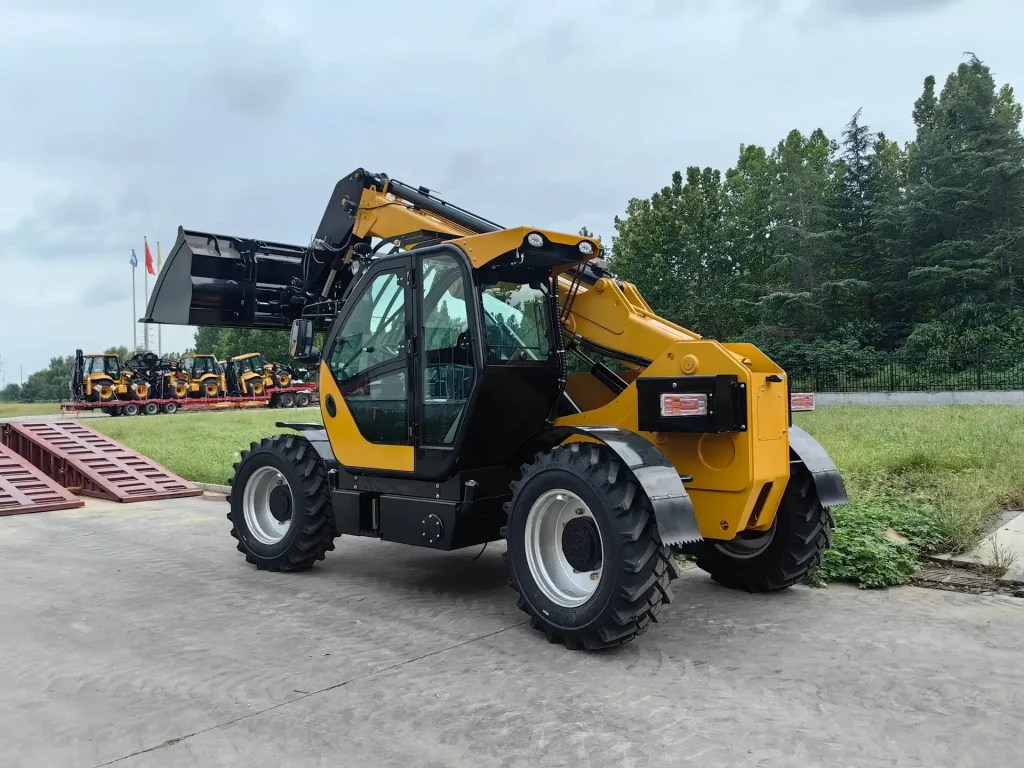
A telehandler, also called a telescopic handler, combines forklift-style load handling with a telescopic boom. Its value is clear when the job involves both lifting and reaching.
Lifting Pallets to Upper Floors and Work Platforms
A telehandler for construction is commonly used to lift palletized materials to elevated areas. For example, pallets of blocks can be placed near masonry crews. Roofing materials can be lifted closer to the roof edge. Scaffolding parts can be raised to the working level instead of being carried piece by piece.
This matters on jobs where manual handling slows the whole crew. Moving a pallet to the right floor or work zone can save dozens of small trips. A standard ground-level loader may lift, but it cannot place loads forward and upward in the same way.
Common telehandler jobs include:
· Unloading palletized materials from flatbed trucks
· Placing blocks, bricks, and cement bags near active crews
· Moving roof panels, timber packs, and pipe bundles
· Feeding materials over site barriers or uneven ground
· Supporting mixed jobsite logistics where access changes daily
Reaching Over Obstacles Without Repositioning
A compact telehandler can put loads where larger machines can’t reach because they require too much space to turn around. They are very useful on confined construction sites, in house renovations, in building yards that are full of trucks, containers, stacked loads of materials and temporary fencing.
Our telehandlers are designed for situations where a delivery truck cannot park right next to where materials are required to be off loaded. We can pick up the load and place it closer to the area where work is being performed, eliminating the need for an additional piece of equipment or extra labor.
Working With Forks and Attachments
The pallet forks are the primary attachment used by most telehandler users but there are other types of attachments available that can be used for lighter duty tasks, such as buckets, lifting hooks and jib arms. However, a telehandler should not be seen as a substitute for a wheel loader for daily tasks of digging, filling stockpiles or bulk loading.
This boils down to one main point. When material placement is your problem then choose a telehandler.
What Is a Wheel Loader Best Used for in Construction?
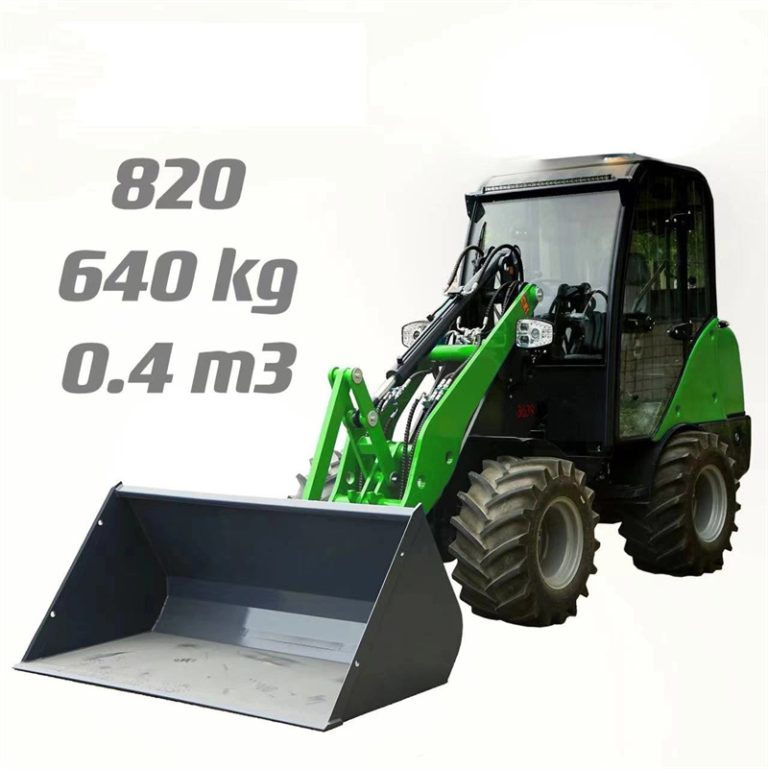
A wheel loader is built for ground-level movement, loading, and bucket work. It is usually the better choice when the jobsite handles loose material every day.
Moving Sand, Gravel, Soil, and Debris
For loose material handling, a wheel loader for construction has a clear advantage. The bucket is designed to enter a pile, lift material, carry it, and dump it quickly. Jobs such as moving gravel, feeding a mixer, loading trucks, clearing soil, and handling demolition debris fit this machine well.
Bucket capacity, engine power, hydraulic response, and operating weight all affect performance. A larger bucket may move more material per pass, but only if the machine has the power and stability to work safely. For heavy wet sand or dense aggregate, the practical load can be very different from a light loose pile.
Loading Trucks and Managing Stockpiles
When trucks are waiting, every cycle matters. A wheel loader can load material from a stockpile into a truck, hopper, or container with fewer movements than a fork-based machine. In open yards, it can travel between piles, reshape storage areas, and keep traffic lanes clear.
This is where an articulated wheel loader or compact wheel loader becomes useful. A compact unit may fit smaller sites, landscape yards, municipal projects, and building supply yards. A heavier unit may suit larger yards, roadwork, concrete support work, or bulk material movement.
Keeping Ground Work Fast
Wheel loaders also help with site cleaning and rough grading. They are not just for loading trucks. On many construction sites, they move scrap, push light material, clean access areas, and keep deliveries moving. If the job is mostly ground-to-ground movement, a wheel loader is usually the more direct tool.
Telehandler vs Wheel Loader: Key Differences
Both machines move materials, but they solve different problems. The table below gives a practical comparison for buyers who need to choose building material handling equipment.
| Comparison Point | Telehandler | Wheel Loader |
|---|---|---|
| Best for | Pallets, elevated placement, forward reach | Sand, gravel, soil, debris, stockpiles |
| Main strength | Lift height and reach | Bucket capacity and loading cycle |
| Common attachment | Forks, hook, jib, light bucket | Bucket, forks, grapple, broom |
| Site type | Crowded sites, upper floors, mixed access | Open yards, bulk material areas, truck loading |
| Buyer focus | Load chart, reach, lift height, stability | Bucket size, breakout force, hydraulic power |
| Limitation | Capacity drops as reach increases | Limited forward reach for elevated placement |
Lifting Height vs Bucket Capacity
A telehandler is the better fit when materials need to move upward or forward. The telescopic boom allows the operator to place loads at height and beyond obstacles. This is why it is often chosen for upper-floor material delivery, roofing work, and palletized building supplies.
A wheel loader is the better fit when the site needs a bucket moving all day. The work is less about height and more about cycle speed. In a sand yard, a wheel loader that saves 20 seconds per load can make a real difference by the end of a shift.
Load Chart vs Loading Cycle
Telehandler buyers should pay close attention to the load chart. A machine may lift a heavy load close to the front, but the safe capacity changes as the boom extends. The farther the load moves away from the machine, the more careful the operator must be.
Wheel loader buyers should look at loading cycle, bucket match, hydraulic strength, tire choice, and operating weight. The goal is not just to lift material. The machine must enter the pile cleanly, carry the load without struggling, and dump at the right height.
Tight Access vs Open Yard Work
A telehandler suits tight access better when the site needs reach. It can place a pallet over a low wall or into a specific zone without driving directly to the final location.
A wheel loader suits open yard work better. It performs well where there is room to turn, approach piles, load trucks, and repeat the same movement many times.
Which Machine Should Be Chosen for Each Material?
The fastest way to choose is to list the main materials, then match the machine to the task.
| Material or Task | Better Choice | Reason |
|---|---|---|
| Pallets of bricks or blocks | Telehandler | Better lift height and fork handling |
| Cement bags on pallets | Telehandler | Easier unloading and placement near crews |
| Roofing materials | Telehandler | Can reach elevated work zones |
| Sand and gravel | Wheel loader | Faster bucket loading and pile work |
| Soil and backfill | Wheel loader | Stronger for repeated ground movement |
| Construction debris | Wheel loader | Better bucket handling and clearing |
| Mixed site with pallets and loose material | Both may be needed | Different material flows need different machines |
Choose a Telehandler for Pallets and Placement
A telehandler is a strong choice when the site receives frequent palletized deliveries. It is especially useful when loads need to go beyond the truck unloading area. For example, a pallet of masonry blocks can be lifted from a truck and placed near the wall line. That reduces labor and keeps bricklayers supplied.
It also helps when the ground is rough. Many construction telehandlers are designed for outdoor use, where standard warehouse forklifts may not be suitable.
Choose a Wheel Loader for Bulk Material and Repeated Loading
A wheel loader is the better choice when the main job is loose material. A landscaping contractor moving gravel, a builder handling soil piles, or a yard loading aggregate into customer trucks will usually get more value from a wheel loader.
A compact wheel loader can be enough for smaller yards and urban jobsites. For heavier use, buyers should compare operating weight, bucket size, dumping height, tire type, and service access before choosing.
Use Both for Mixed Material Flow
Some sites need both machines. The telehandler handles palletized goods, raised placement, and delivery unloading. The wheel loader handles sand, gravel, soil, waste, and yard clearing. This pairing works well for contractors that handle a wide range of materials every week.
Cost, Safety, and Daily Productivity Factors
Purchase price is only one part of the decision. A cheaper machine can become expensive if it causes extra labor, slow loading, unsafe handling, or downtime.
Check Real Working Loads
Buyers should list actual material weights before choosing. A pallet of blocks, a bundle of timber, and a bucket of wet sand place very different demands on a machine.
For telehandlers, check:
- Rated capacity at the needed lift height
- Capacity at forward reach
- Load center and attachment weight
- Ground condition and slope
- Operator visibility and cab protection
For wheel loaders, check:
- Bucket capacity and material density
- Dump height for trucks or bins
- Hydraulic response
- Tire grip on the site surface
- Turning radius and access width
Match the Machine to the Work Cycle
A telehandler that spends most of its day carrying sand in a bucket is probably not being used in its strongest role. A wheel loader asked to lift pallets to upper floors will also struggle. The right machine should match the work cycle for most of the shift, not just one occasional task.
Think About Operators and Service
Operator skill affects both productivity and safety. Telehandler operators need to read load charts and judge reach carefully. Wheel loader operators need good pile approach, bucket control, and site traffic awareness.
Maintenance support also matters. Daily checks, hydraulic care, tire inspection, attachment condition, and spare parts access all affect uptime. For contractors and dealers, local service planning should be part of the buying decision from the start.
JinChengYu FORKLIFT for Telescopic Handlers and Wheel Loaders
JinChengYu FORKLIFT supplies material handling equipment for construction, warehouse, yard, and industrial use. Its product range covers forklifts, warehouse handling equipment, rough terrain machines, telescopic handlers, wheel loaders, and related handling solutions for overseas buyers.
For construction companies choosing between a telescopic handler for construction and a wheel loader for construction, the value lies in matching the machine to the real site task. Telescopic handlers are suited to lifting height, forward reach, and palletized materials. Wheel loaders are suited to bucket work, loose material handling, stockpiles, and truck loading.
As a material handling equipment supplier based in Qingdao, JinChengYu also supports buyers who need wider equipment planning, not just one single machine. Its product range allows contractors, importers, and rental companies to compare different handling options under one supplier path. For projects that include mixed materials, uneven ground, and changing jobsite layouts, that can make equipment selection simpler and more practical.
Conclusion
The choice between a telehandler and a wheel loader should start with the material, not the machine. Palletized materials, elevated placement, and limited access point toward a telehandler. Sand, gravel, soil, debris, stockpiles, and truck loading point toward a wheel loader.
For many construction sites, the best answer is not always one machine for every task. A telehandler can keep building crews supplied at height, while a wheel loader can keep ground materials moving. When each machine is used in its strongest role, jobsite logistics become smoother, labor drops, and loading work becomes easier to plan.
For contractors, dealers, and project buyers comparing telehandler vs wheel loader options, the most useful question is this: what material moves most often, where does it need to go, and how many times does that task happen every day? The answer will usually point to the right machine.
FAQs About Telehandler vs Wheel Loader
Is a telehandler better than a wheel loader for construction?
A telehandler is better when the job needs height, reach, and pallet handling. A wheel loader is better when the job needs fast bucket work, loose material handling, and repeated truck loading. The better machine depends on the daily work pattern.
Can a telehandler replace a wheel loader?
A telehandler can handle some light bucket tasks, but it is not the best choice for heavy daily stockpile work. If the site mainly handles sand, gravel, soil, or debris, a wheel loader is usually more efficient.
Which machine is better for unloading building materials from trucks?
For pallets, cement bags, blocks, roofing materials, and packaged goods, a telehandler is often better because it can lift and place loads with reach. For loose material, a wheel loader is the better fit.
Which machine is better for small construction sites?
A compact telehandler works well when the small site still needs upper-floor lifting or forward placement. A compact wheel loader works better when the small site mainly needs ground-level loading, clearing, and material movement.
What should buyers check before choosing?
Buyers should check material type, load weight, lift height, reach distance, bucket needs, working surface, turning space, loading frequency, attachment options, service access, and operator experience.