People pick LPG forklifts because they handle long work periods well. They refuel fast. They operate in both indoor warehouses and outdoor yards. But when one starts with trouble, it loses strength during tasks, idles unevenly, or stops after getting warm, the issue hits more than a single unit. Moving pallets slows. Loading areas get crowded. Drivers feel unsure. Repair crews begin to guess at fixes.
Most cases of power drop and tough starting in LPG forklifts stem from basic spots. These include fuel supply, spark plugs, air entry, filters, regulator state, coolant movement, or missed upkeep times. The main point is to spot the sign first. Then, examine the easy parts before swapping out costly pieces.
Common Signs of LPG Forklift Power Loss
A forklift seldom breaks down without a clue. Drivers notice minor shifts days or weeks before a full no-start issue. Do not overlook these clues. This is key in places with round-the-clock shifts.
Engine Cranks but Does Not Start
If the engine turns over but fails to catch, the starter functions fine. Yet, the engine lacks fuel, spark, air, or pressure. For an LPG forklift, begin with basic steps. Check fuel amount, tank valve spot, hose link, battery ends, and the fuel lock-off valve.
One typical case in the workshop is a forklift that ran fine in the afternoon. But it won’t start the next morning. The tank might seem half full. However, low pressure, a shut valve, or a loose link can block vapor from reaching the engine. When the engine turns strongly but never starts, inspect the LPG fuel setup before digging into engine repairs.
Forklift Starts but Loses Power Under Load
A forklift that idles okay but falters when raising a full pallet suggests blocked fuel path, faint ignition, dirty filters, or bad air entry. The engine requires extra fuel and air during work. If supply stays limited, the forklift acts sluggish. It may pause during speed-up or stop on a slope.
This trouble shows up often in active warehouses. There, the truck hauls heavy pallets all day. It enters trailers and turns in narrow paths. Small flaws stand out when under strain.
Rough Idle, Misfire, Backfire, or Stalling
Uneven idle often ties to worn spark plugs, air leaks, mix issues with fuel and air, or a grimy regulator. Backfiring occurs if fuel ignites off-time or the mix gets too thin. Stopping after a brief run might signal fuel shortage, heat-based spark failure, or weak vaporizer work.
Tackle these signs soon. A forklift that runs bumpy now could turn into a no-start unit tomorrow.
Fuel System Problems That Cause Hard Starting
The LPG fuel system must shift fuel safely from tank to engine. It needs the right form and quantity. Even a minor block can lead to tough starts or weak output during tasks.
LPG Tank and Valve Problems
A forklift might start roughly if the tank runs low, the service valve stays shut, or the tank sits wrong. Operators sometimes twist the valve too fast. That can cause a flow block inside the tank setup. It mimics a fuel lack even with gas inside.
Here are practical steps to check:
- Make sure the tank holds enough fuel for the shift.
- Turn the tank valve slowly.
- See if the hose and coupler connect fully.
- Watch for frost, odor, or leak marks.
- Swap out broken seals before running.
Handle any guessed LPG leak per site safety guidelines. Do not run the forklift until you find and fix the source.
Clogged LPG Fuel Filter
A grimy fuel filter ranks as a top reason for poor running. LPG stays cleaner than many liquid fuels. Still, buildup can form in the system over time. The filter might limit fuel path. The forklift could start after extended turning. It runs steady at idle. But it drops power when raising or speeding up.
In places with dust like warehouses, open yards, recycling spots, and building storage, filters demand extra care. Swapping a filter costs less than hours of lost loading.
Fuel Lock-Off Valve Failure
The fuel lock-off valve manages fuel path during start and run. If it sticks, weakens, gets dirty, or lacks power, the engine turns without firing. The fault might come and go. The forklift starts in the morning. It fails after lunch. Then it starts again once cool.
Repair experts must test wiring, voltage, valve action, and fuel path before changing big parts.
Regulator or Vaporizer Trouble
The regulator and vaporizer turn LPG into vapor that the engine can use. They supply it at a steady pace. If the diaphragm wears out, the unit dirties up, or coolant path falters, the forklift runs thin on fuel. It idles bumpy, drops power, or stops.
A vaporizer that chills too much might not deliver fuel right. This occurs with weak coolant flow or engine heat issues. Frost on fuel parts while running signals a need for checks.
Spark Plug and Ignition Problems
Fuel by itself won’t fire the engine. The ignition must make a solid spark at the proper moment. LPG engines react strongly to faint sparks. A weak flame leads fast to bumpy running, pauses, or misfires.
Worn or Fouled Spark Plugs
Spark plugs wear down with use hours. The gap widens. Deposits gather. The spark fades. A forklift with faulty plugs shows various signs at the same time:
| Symptom | Possible Ignition Cause |
|---|---|
| Long cranking before start | Weak spark or wrong plug gap |
| Rough idle | Fouled plug or damaged wire |
| Power loss under load | Misfire during high demand |
| Backfire | Poor combustion timing |
| Higher fuel use | Incomplete burn |
Include spark plug checks in routine LPG forklift upkeep. Do not limit them to crisis fixes.
Weak Ignition Coil or Plug Wires
A coil or plug wire can break down bit by bit. The forklift might start when cold. But it misfires once the engine area warms. During tasks, the faint spark can’t match fuel needs. Drivers might say the forklift seems worn out or it quits when lifting.
Heat-linked ignition faults prove tough to spot in quick looks. So, upkeep teams should run tests under actual job settings when they can.
Incorrect Ignition Timing
Wrong timing leads to bad speed-up, excess heat, backfire, or power drop. If filters, fuel path, and plugs check out fine but the forklift runs poorly, have a skilled worker inspect timing and engine controls.
Air Filter and Intake Restrictions
An LPG forklift engine requires fresh air. When air path blocks, the fuel mix shifts. The engine can’t draw air well.
Clogged Air Filter
A blocked air filter can leave the forklift slow, smoky, or hard to fire. In dusty spots with cement powder, paper bits, wood chips, or yard gravel, the filter clogs quicker than planned. One that seems just a bit dirty can still cut air flow and harm work.
Field upkeep advice is straightforward. If a forklift faces dust, check the air filter more than the standard plan calls for.
Vacuum Leaks
Tiny splits in intake hoses or vacuum lines lead to bumpy idle, surges, pauses, or stops. LPG fuel often relies on vacuum signals. A leak can mix up the system. This creates thin running.
Usual leak spots cover old rubber hoses, loose bands, split joints, and intake links moved in past fixes.
Why Power Drops After the Engine Warms Up
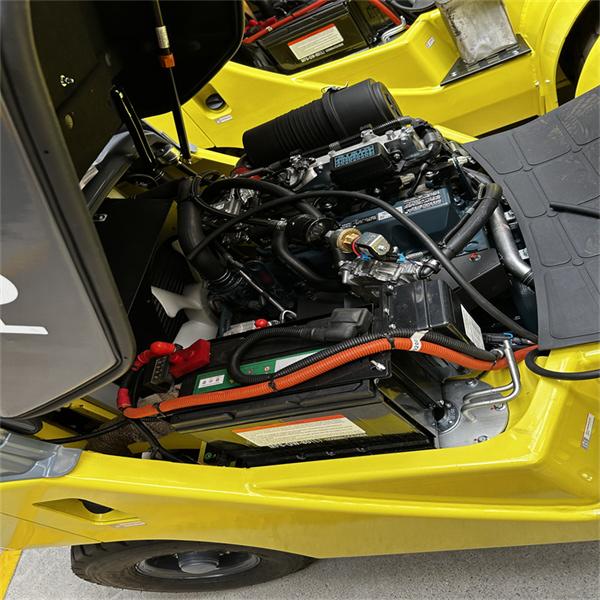
A forklift that works fine for 10 minutes then weakens calls for special checks. Heat alters electrical flow, fuel turning to vapor, and engine actions.
Possible reasons cover:
- Ignition coil weakness after heating
- Poor coolant flow to the vaporizer
- Regulator contamination
- Vacuum leaks that open as rubber softens
- Fuel restriction under higher demand
- Air filter restriction during loaded travel
This sign pops up in extended shifts. The forklift fires at day start. It manages early pallets. But it starts to pause near loading spots. The top way to test is to examine fuel, spark, and air flow right when the issue hits. Avoid checks after cooling.
LPG Forklift Troubleshooting Checklist
A simple list aids in skipping blind part swaps. Aim to go from basic looks to full checks.
| Step | What to Check | What It May Reveal |
|---|---|---|
| 1 | LPG tank, valve, coupler | Low fuel, closed valve, poor connection |
| 2 | Battery and terminals | Weak cranking, poor ignition power |
| 3 | Fuel filter and hoses | Fuel restriction or leakage |
| 4 | Spark plugs and wires | Misfire, hard start, weak spark |
| 5 | Air filter and intake hose | Airflow restriction or vacuum leak |
| 6 | Regulator and vaporizer | Unstable fuel delivery |
| 7 | Coolant level and flow | Poor LPG vaporization |
| 8 | Test under load | Faults that only appear during work |
Start with the Easy Checks
Many no-start problems arise from basic faults. Before pulling big parts, look at the tank, valve, links, battery ends, and clear hoses. A loose spot can act like a major fuel breakdown.
Check Wear Parts Next
Fuel filters, air filters, and spark plugs serve as standard upkeep items. If they look aged, grimy, or unknown, inspect them before pointing to the regulator or engine.
Test the Forklift in Real Conditions
A forklift that idles smooth in the repair spot might fail in the path. Tests should cover raising, turning, brief moves, backward moves, and safe slope work. Power drops during tasks show only when the engine faces real strain.
When to Repair and When to Replace
Not every power issue means the forklift wears out fully. Many fixes come from usual upkeep. Filters, plugs, hoses, bands, and minor fuel parts wear as expected.
Think about replacement when breakdowns hit often in multiple areas. A forklift with constant tough starts, faint engine strength, slow hydraulics, brake faults, mast damage, and high fuel cost might run more to fix than it earns daily.
For warehouse leads, the question goes beyond repair price. It includes lost loading hours, driver waits, late trucks, and safety worries.
Preventing LPG Forklift Hard Starts
Upfront upkeep saves more than a halted forklift in a busy ship time. A solid plan should fit the job setting, not just the date.
Build a Daily Operator Routine
Operators need to spot clear issues before the first lift:
- Tank connection and valve position
- Unusual smell near the fuel system
- Slow cranking
- Rough idle
- Warning lights
- Brake feel
- Fork and mast movement
- Any change in engine sound
A quick two-minute note at shift start can stop a major stop later.
Keep Filters and Ignition Parts on Schedule
Spark plugs, fuel filters, and air filters act as tiny pieces with big impact. A forklift in dust, with many cold fires, or long runs may call for shorter check times.
Match the Forklift to the Workload
Power drops do not always mean a flaw. At times, the forklift faces too much task load. Regular overloads, sharp slopes, bumpy ground, long paths, and tall stack cycles build strain. A unit pushed past its fit role wears quicker and gains more issues.
JinChengYu FORKLIFT as an LPG Forklift Supplier
JinChengYu FORKLIFT provides LPG forklifts for handling tasks that demand steady strength, fast refuel, and useful indoor-outdoor runs. Its LPG forklift line fits warehouses, factories, distribution spots, building storage, wholesale areas, and loading yards. There, stop time cuts daily work directly.
The firm stresses logistics tools, warehouse gear, forklift supply, spare parts aid, and export help for global buyers. For those weighing fuel kind, job settings, and upkeep wants, JinChengYu FORKLIFT gives LPG options with clean fuel burn, even runs, driver ease, and easy upkeep reach. This suits firms needing solid daily handling without long charge waits.
Conclusion
An LPG forklift with tough starts or power loss usually sends a plain alert. Common roots cover fuel blocks, spark plug wear, dirty filters, regulator faults, air leaks, and poor upkeep. Smart checks begin with tank, valve, battery, filters, plugs, and hoses. Then move to engine depths.
In fast warehouses and loading yards, quick steps count. A smooth-running forklift keeps pallets flowing. It cuts driver waits and guards the daily plan. Routine looks and smart gear picks make LPG forklift work steadier, safer, and simpler to handle.
FAQs
Why does an LPG forklift lose power under load?
An LPG forklift might drop power during tasks from a blocked fuel filter, faint spark plugs, limited air filter, weak regulator work, air leak, or low fuel. The fault shows in lifts or speed-ups. That is when the engine craves more fuel and air.
Why is a propane forklift hard to start in the morning?
Morning tough starts often stem from low tank pressure, faint battery power, worn spark plugs, grimy filters, or fuel path blocks. Cold weather can highlight vapor turn issues too.
Can bad spark plugs make an LPG forklift stall?
Yes. Worn or dirty spark plugs can spark misfires, bumpy idle, backfire, weak speed-up, and stops. Check them before swapping pricey fuel parts.
How often should LPG forklift filters be replaced?
Filter swaps rely on run hours, dust amount, fuel grade, and site setup. Units in dusty warehouses, open yards, or long shifts need more frequent filter looks.
Is power loss a sign that the forklift needs replacement?
Not every time. If the trouble ties to filters, plugs, hoses, or regulator upkeep, a fix often works. But if the unit shows repeated engine, hydraulic, brake, and mast faults, swapping may save money.