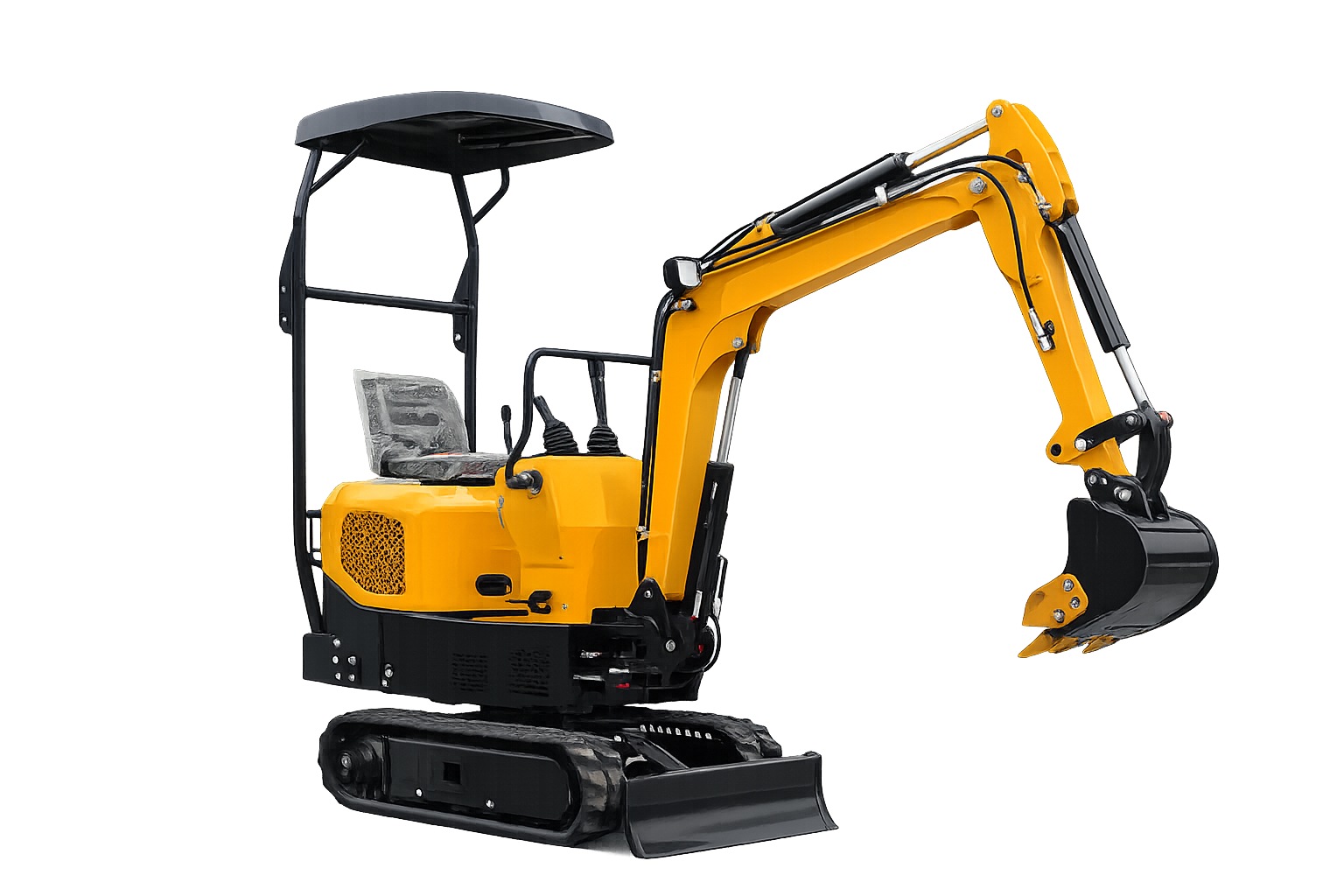
Yard work and home building often take place in spots where big tools just cannot go. A yard might have a slim door. A path might lie near a barrier. A yard fix might call for cutting ditches next to plants, stones, barriers, or water pipes. In such tasks, plain cutting strength is only part of the pick. Entry, land care, handling, moving, and tool use often count for more.
This is why a mini crawler excavator has turned into a useful pick for yard workers, small builders, land holders, rent firms, and home makers. It offers true cutting skill in small areas. At the same time, it stays tiny enough for careful spots.
What Makes a Mini Crawler Excavator Different?
A mini crawler excavator is a small cutting tool made on tracks, not wheels. It fits tasks where a full tool would prove too big, too weighty, or too costly to shift and run.
The main change is evenness. A small track excavator gives users solid cutting force for usual spot tasks. Yet it keeps the base small. This makes it handy for home building, yard fix, water drain tasks, small base cutting, and light break work.
Compact Size With Practical Digging Power
In a home spot, the tool may need to go between a car house and a barrier. Or it may cut next to a hold wall. It could also cut near a done yard space. A small tool for small areas can get to these spots with less spot ready work.
Common uses include:
- Digging trenches for pipes, cables, and drainage
- Removing soil from small yards
- Preparing ground for patios and garden beds
- Digging holes for trees, posts, and landscape features
- Cleaning ditches and backfilling narrow areas
The tool is small. But it takes over a lot of hand work.
Tracks That Suit Soft and Uneven Ground
Track lines spread the tool’s weight over a wider touch spot. This aids the excavator in tasks on soft dirt, grass, wet earth, hills, and rough land. For yard work, that counts. A rubber track mini excavator can cross grass and yard spots with less land push than many wheel tools.
Tracks also bring better hold when the land is damp or rough. This helps in yard cutting, pond cutting, drain cutting, and hill forming.
Why Landscaping Projects Need Compact Excavators
Yard tasks seldom happen on empty land. Most plans deal with plants already there, grass, paths, barriers, pipes, and yard builds. A tool must work near these parts. It should not ruin them.
A mini excavator for landscaping helps because it can cut, level, lift, and clear stuff in spots where big gear would face entry issues.
Better Access to Small Yards and Gardens
Many home yards hold slim entry points. A big tool may not pass the door. Or it may need barrier take-down before tasks start. That raises cost and time.
A mini excavator for small yard tasks can enter slimmer spots. It can start work with less spot upset. For yard workers, this means quicker set. For home owners, it means less fix after the task.
Typical tight-access projects include:
| Job Type | Why a Mini Crawler Excavator Helps |
|---|---|
| Backyard landscaping | Works around fences, trees, patios, and garden beds |
| Drainage trenching | Digs narrow trenches along walls and property lines |
| Tree planting | Uses an auger or bucket to prepare clean planting holes |
| Pond excavation | Shapes small water features with better control |
| Retaining wall prep | Cuts footings and levels base areas in confined spaces |
Less Damage to Finished Property
Home yard work often goes near done faces. Grass, stone paths, cement walks, yard beds, and water lines can cost much to mend.
A small track excavator cuts this risk. Its tinier base aids the handler in work with more hold. Rubber tracks also prove kinder on many faces than steel tracks or heavy wheel tools.
This does not mean the tool leaves no signs. Land boards, covers, and careful paths may still be needed. But next to bigger cutting gear, the odds of major spot harm stay lower.
Why Residential Construction Benefits From Mini Excavators
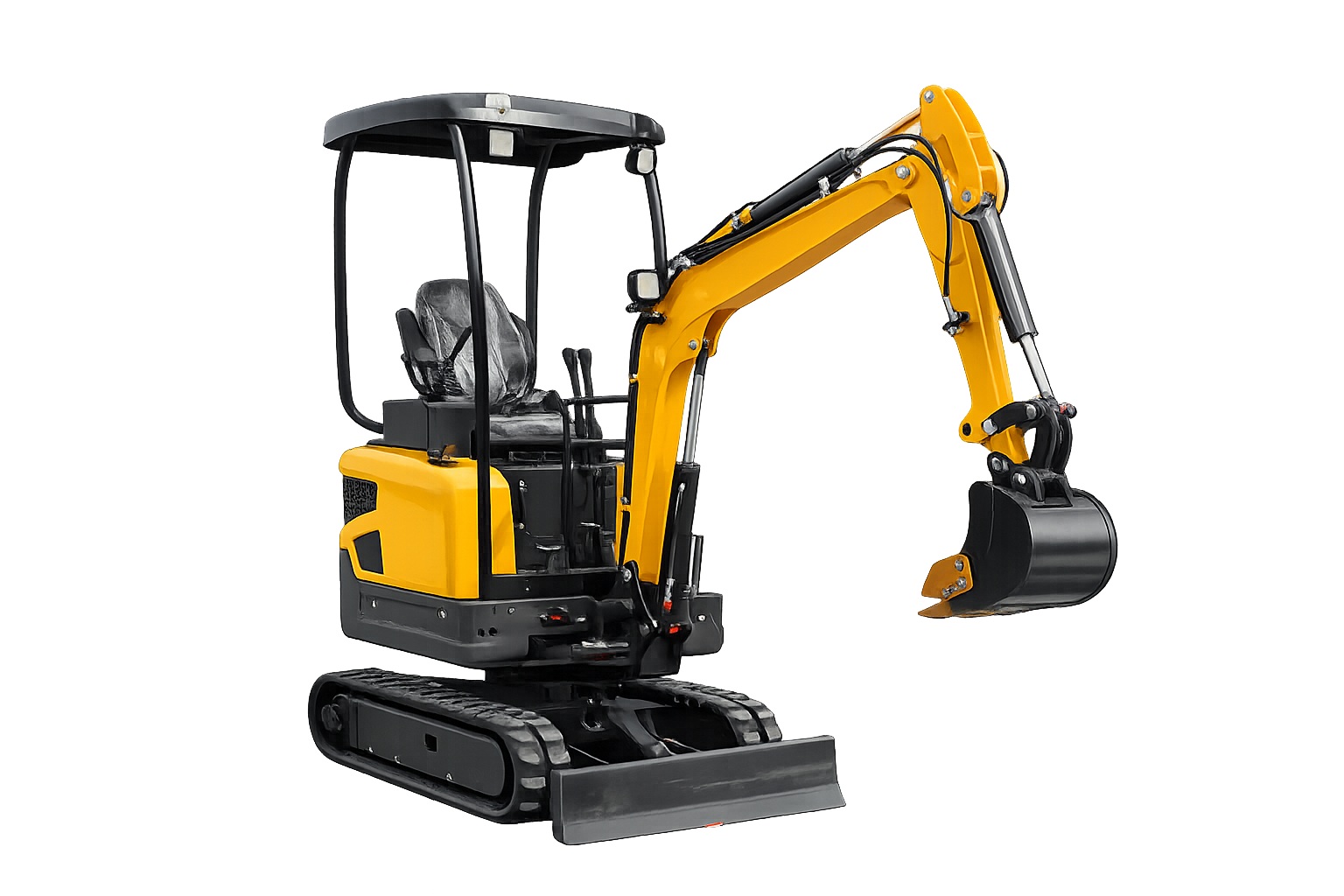
Home building needs tools that can work close to homes and land edges. A residential construction excavator may serve for home adds, car houses, pools, waste lines, drain fixes, and small bases.
The issue is that these tasks often sit near builds already there. A tool must cut right without covering the full land.
Useful for Foundations and Utility Work
A mini excavator for residential construction fits well for held cutting. It can ready ditches for water lines, power paths, drain pipes, and waste links. It can also aid small base tasks, foot ditches, and spot ready.
In many home plans, the cut spot is not vast. But rightness counts. A small tool lets the handler take dirt in a steady, held way. This beats over-cutting and making extra fill work.
Easier Transport Between Small Jobs
For builders, move cost counts. A tool needing heavy pull gear can make small tasks less gainful. Small excavators prove easier to shift between home spots. This holds for builders on several tasks in one week.
This stands as one cause small build gear gains favor with yard teams, line fitters, land care firms, and local makers. The tool can serve a morning ditch task. Then it can shift to an afternoon level or clean job.
Tight Space Advantages That Matter on Real Jobs
Work in small spaces goes beyond tool width. It covers turn room, sight, hold, land states, and how near the tool can get to blocks.
A tight access excavation equipment set should aid the handler in more work with fewer spot shifts.
Maneuverability Around Obstacles
Yards hold many blocks: barriers, plants, fences, yard kitchens, parked cars, yard edges, and line boxes. A mini crawler excavator can shift and turn in spots where a bigger tool would face trouble.
This helps most for:
- Digging beside a house wall
- Cleaning a drainage line along a fence
- Removing a stump without tearing up the whole lawn
- Preparing a patio base behind a garage
- Working near existing shrubs and trees
Good shift ease cuts the need for extra hand work. It also keeps the task neater.
Better Control for Detailed Work
Yard work often needs fine tasks, not just deep cuts. A tool may need to trim dirt from a hill, clean a ditch base, form a yard bed, or level a path base.
A mini excavator for grading can manage these tasks more right than hand cutting in many cases. With the right scoop and a good handler, it can take thin dirt layers, fill even, and ready a face for the next trade.
Faster Than Manual Labor
Hand cutting still fits, above all near live lines or soft roots. But for most ditch, dirt take, and level tasks, a small excavator saves time.
A small team with a mini crawler excavator can often end work that would take many workers longer by hand. This counts when hand costs run high, time slots stay short, or the spot must get back fast.
Common Jobs a Mini Crawler Excavator Can Handle
A mini crawler excavator gains worth because it can do many task types with one tool. The right add-on makes a big change.
Landscaping Applications
For yard building, a small excavator can back both rough tasks and fine tasks. It can cut, lift, clean, fill, and form dirt.
Common landscaping jobs include:
- Garden renovation and soil replacement
- Irrigation trenching
- Drainage trenching
- Tree and shrub planting
- Stump removal
- Small pond excavation
- Patio and walkway base preparation
- Retaining wall excavation
- Slope shaping and fine grading
A mini excavator for backyard projects proves especially handy when the task needs both strength and care.
Residential Construction Applications
In home building, the same tool can back several task steps. It may cut ditches early in the plan. It could aid spot clean later. It can also ready level before the last finish.
Typical residential uses include:
| Application | Practical Benefit |
|---|---|
| Utility trenching | Clean trenches for pipe, cable, or drainage lines |
| Foundation digging | Controlled excavation for small structures |
| Driveway repair | Removes old base and prepares new layers |
| Pool or pond digging | Shapes confined excavation areas |
| Site preparation | Clears soil, debris, and uneven ground |
| Backfilling | Places soil back around trenches or walls |
Tracks vs Wheels for Landscaping and Residential Work
Both track and wheel tools have spots. Wheel tools can aid on paved faces and tasks needing much travel over hard land. For yard and home building, though, track lines often fit better.
A track mini excavator gives firmer hold on soft dirt, loose stones, wet earth, and rough land. It also feels more steady when cutting from a less-than-right face.
Lower Ground Pressure
Low land push stands as a key gain in yard and yard tasks. The tool’s weight spreads along the tracks. This aids in less deep paths and dirt pack.
This helps when working on:
- Lawns
- Soft clay
- Damp garden soil
- Gravel paths
- Sloped residential lots
- Unfinished building sites
More Stable Digging Position
Steady state affects both safe and output. When the tool stays steady, the handler can cut smoother. It can also place stuff more right. This aids ditch, level, and lift of small stuff like stones, wood, and cracked cement.
Attachments That Make Mini Excavators More Useful
A mini excavator turns far more handy when matched with right add-ons. For yard workers and builders, add-on pick can set how many tasks one tool can do.
Common Mini Excavator Attachments
The most handy mini excavator attachments for landscaping and residential construction include:
- Digging bucket for general excavation
- Trenching bucket for narrow pipe and cable trenches
- Grading bucket for leveling and backfilling
- Auger for tree planting, fence posts, and deck footings
- Hydraulic breaker for concrete, stone, and old driveway removal
- Grapple for brush, branches, rocks, and site debris
A mini excavator with auger can save time on repeat hole cuts. A mini excavator with hydraulic breaker can take old cement without a side breaker tool. For small builders, this bend boosts daily tool worth.
How to Choose the Right Compact Excavator for the Job
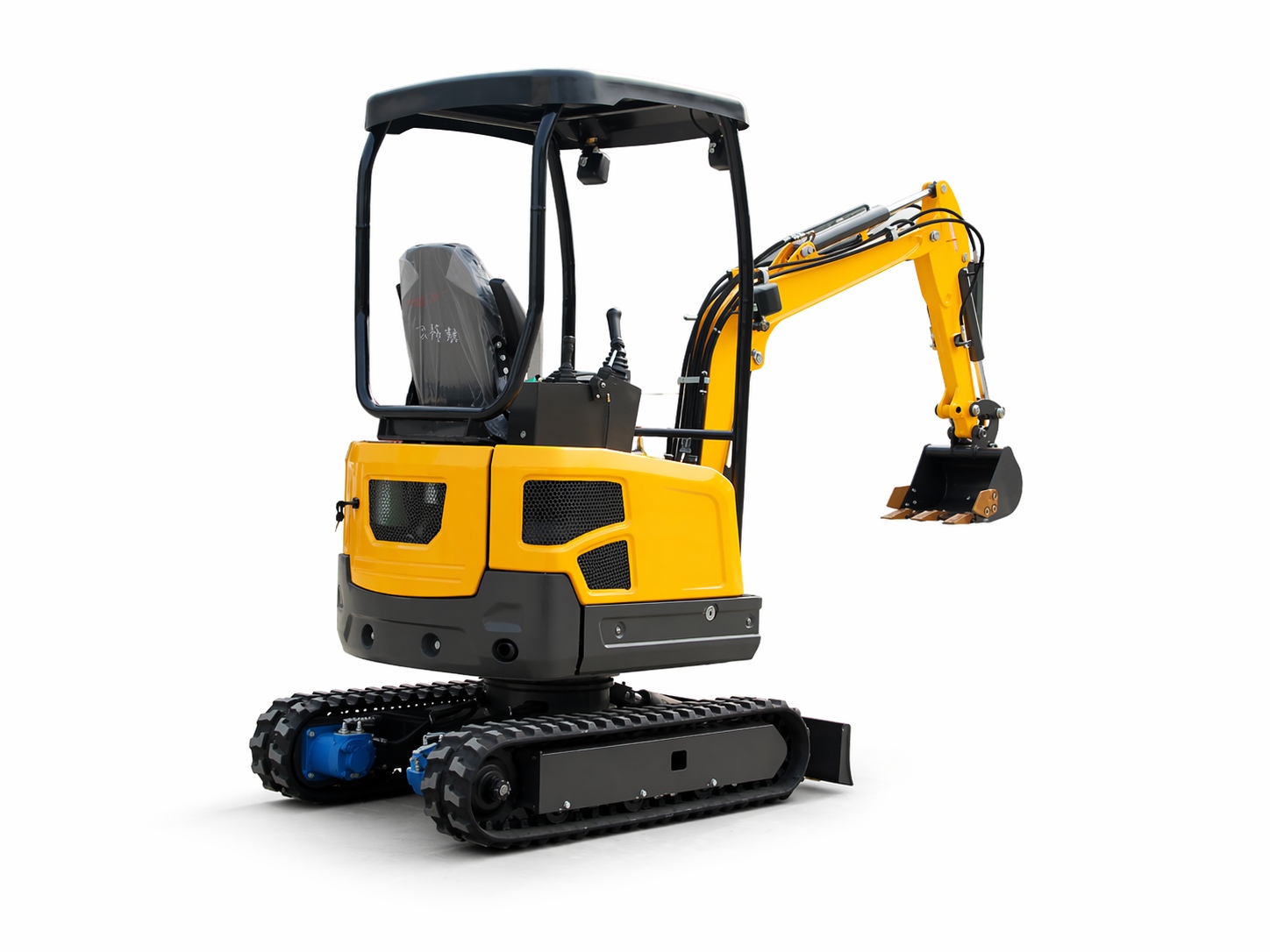
The top mini excavator for landscaping is not always the tiniest tool. It should match the spot, dirt, cut deep, add-on needs, and move way.
Before buy or rent, think on these points.
Site Access
Check doors, paths, walks, and turn spots before picking the tool. Do not just see tool width. Check tail turn, turn room, and where the dirt pile will go.
Digging Depth and Lift Needs
A shallow yard ditch and a deeper line need unlike cut room. If the tool will lift stones, cement bits, or heavy dirt scoops, lift steady also counts.
Ground Condition
Soft grass, hills, wet yards, and loose fill back track lines. Done faces may need guard covers.
Attachment Plan
A builder on yard, ditch, level, and light break tasks should seek a small track excavator that fits several add-ons. Add-on match can beat a small tool size gap.
Mini Crawler Excavator vs Large Excavator
A large excavator still fits for main land move, deep cut, heavy break, and big build work. But for small yards and home building, bigger does not always prove better.
| Factor | Mini Crawler Excavator | Large Excavator |
|---|---|---|
| Access | Better for narrow spaces | Needs wider entry and more room |
| Ground impact | Lower on many residential sites | Higher risk of lawn and surface damage |
| Transport | Easier for small contractors | Often needs heavy hauling |
| Precision | Better for detail work | Better for large-volume digging |
| Best use | Landscaping, utilities, small foundations | Heavy construction and bulk excavation |
For many home plans, a mini crawler excavator gives a better blend of entry, hold, and cost.
JinChengYu FORKLIFT as a Crawler Excavators Supplier
JinChengYu FORKLIFT sits in Qingdao, Shandong Province. This spot offers easy land, sea, air, and rail move links. The firm gives gear for stuff handle, store tools, land aid gear, build back, and linked spare parts to lands abroad.
As a crawler excavators supplier, JinChengYu offers tool picks for small tasks, city building, yard work, farm, and heavier build work. Its wider item set also holds forklifts, store handle gear, wheel loaders, road pressers, air work stands, and cement handle gear. This fits buyers needing more than one tool. They like one seller for several spot or move needs.
The firm backs world buyers via sales, after-sales aid, rent-linked answers, tool check before ship, and bend order picks. For builders, sellers, and gear rent firms, that aid counts. The tool is just one part of the buy. Parts, aid answer, item match, and ship care also shape long worth.
Conclusion
A mini crawler excavator fits the way modern landscaping and residential construction actually work. Jobs are smaller, access is tighter, and customers expect less damage to finished property. The right compact machine can dig trenches, shape yards, prepare foundations, install drainage, clear debris, and support many other site tasks without bringing oversized equipment into a delicate space.
For landscapers, builders, rental companies, and property owners, the main value is not just compact size. It is the mix of access, stability, control, transport ease, and attachment flexibility. When the work involves small yards, tight driveways, soft ground, or finished residential areas, a mini crawler excavator is often the most practical machine on the job.
FAQs
What is the best mini excavator for landscaping?
The best mini excavator for landscaping is usually a compact crawler excavator with enough digging depth for trenches, stable tracks for soft ground, and attachment options such as buckets, augers, and grading tools. The right choice depends on yard access, soil type, and the kind of work being done.
Can a mini crawler excavator work in a small backyard?
Yes. A mini crawler excavator is well suited for small backyard projects when the access route and working area are checked before the job. It can handle trenching, tree planting, stump removal, drainage work, and soil grading in spaces where larger machines may not fit.
Are rubber tracks better for residential landscaping?
Rubber tracks are often better for residential landscaping because they reduce ground pressure and are gentler on lawns, paths, and paved areas than heavier track systems. Site mats may still be needed on delicate surfaces.
What jobs can a mini excavator do around a house?
A mini excavator can dig utility trenches, prepare small foundations, remove stumps, shape garden beds, grade soil, install drainage lines, clear debris, and help with driveway or patio preparation.
Is a mini crawler excavator worth buying for small contractors?
For contractors who regularly handle landscaping, utility work, residential excavation, or property maintenance, a mini crawler excavator can be a strong investment. It reduces hand labor, speeds up small jobs, and can handle different tasks with attachments.