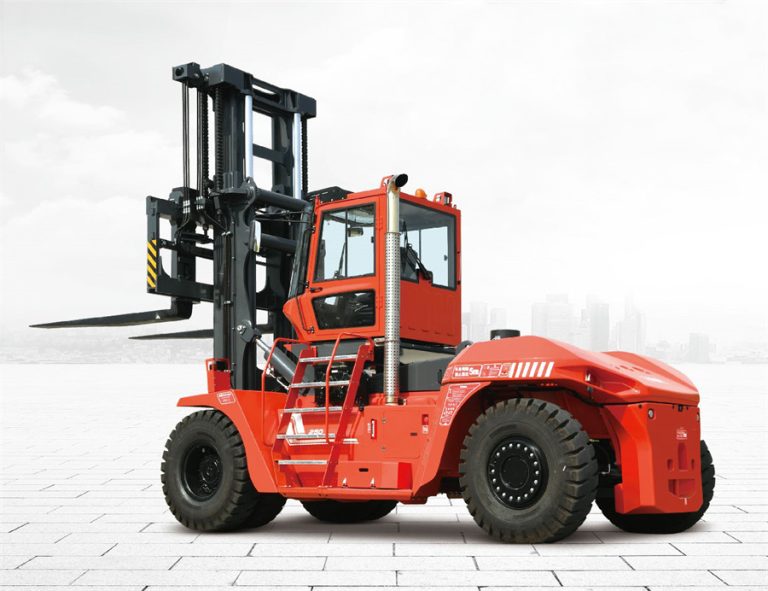
Running a diesel forklift in a warehouse setting brings built-in dangers. Forklifts play a key role in moving goods. But mishaps can lead to bad hurts, stop work, and raise expenses. Good running, upkeep, and knowledge of risks matter a lot for a safe warehouse space. This guide offers a full look at diesel forklift safety. It gives real running advice and ways to stop accidents. These suit warehouse bosses, drivers, and safety staff.
Understanding Diesel Forklift Safety
Many warehouses pick diesel forklifts for their strength and skill with big loads. Yet their size and fuel kind call for careful use. Bad running can cause crashes, harm to goods, or hurt to people. To keep diesel forklift safety, warehouses need to focus on driver lessons and space control.
Pre-Operation Inspection
Before driving a forklift, workers should do a full check. Main points cover:
- Sight checks: Look at tires, forks, and lights for signs of use or harm.
- Liquid amounts: Make sure motor oil, push liquid, and fuel sit at okay levels.
- Safe tools: Confirm horn, stops, and seat strap work well.
A planned check lowers the chance of part breaks. And it makes the work space safer.
Operator Training
Right lessons are a must. Forklift drivers need papers to prove skill. They should know the warehouse plan, ways to move loads, and steps for bad times. Lesson plans need to include:
- Load spread and stack limits
- Safe turns in tight paths
- Bad time answer practice
Putting time into full forklift driver safety lessons cuts mishaps. It also boosts work speed.
Common Warehouse Hazards
Even skilled drivers meet space risks. Knowing forklift work place dangers aids in stopping events before they start.
Frequent Accident Types
- Crashes: They happen when drivers guess wrong on turn space or speed.
- Falling goods: Wrong stacking or too much weight can make loads fall.
- Walker events: Times when forklifts meet people on foot often cause harm.
Environmental Factors
The way a warehouse is set up and its state affect safety. Wet or bumpy floors, bad lights, and tight walks can add to mishaps. Adding warehouse goods moving safety plans helps a lot. Such plans use clear signs, no-slip grounds, and ways to keep traffic apart. This cuts these risks by a good amount.
Diesel Forklift Operation Guidelines
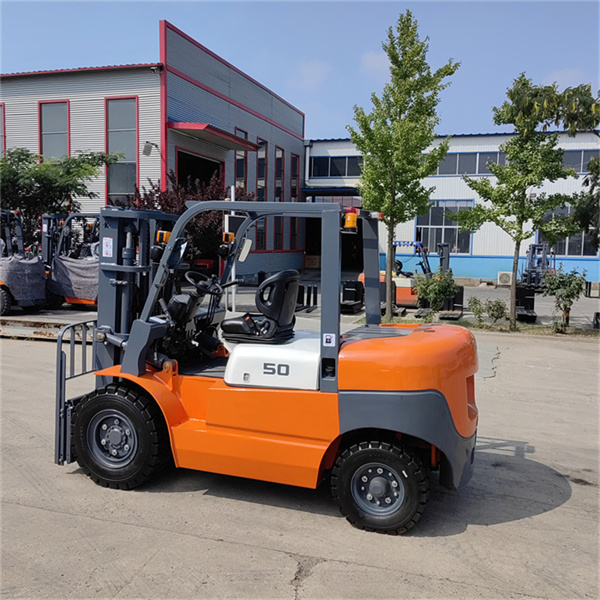
Safe running relies on knowing what the machine can do. It also needs sticking to set steps.
Starting and Driving
- Start the motor only after finishing before-run checks.
- Keep a steady speed. Skip quick turns with a big load.
- Hold forks near the ground while moving to keep balance.
Sticking to these rules makes sure diesel forklift safety. It also cuts the odds of falls or crashes.
Loading and Unloading
Right ways to handle goods stop accidents:
- Put heavy stuff on low shelves to drop the weight center.
- Even out loads on forks to skip leans.
- Use wood bases or holds when needed to steady breakable goods.
Special Operating Conditions
Dark shifts, wet air, or slick floors need more care. Drivers should use enough light. They need to wear good shoes. And they must change speed for the spot. Forklift work place dangers grow a lot if space states get skipped.
Maintenance and Safety Practices
Upkeep matters as much as running. Diesel forklift upkeep safety ways help make gear last longer. They also stop accidents.
Daily Maintenance
- Check oil, cool liquid, and push liquids.
- Look at stops, turn wheel, and forks.
- Clean the forklift to stop dirt build-up.
Periodic Servicing
- Do motor and gear checks each month.
- Swap used tires and test load moving parts.
- Stick to maker-set times for fuel and smoke parts.
Using these steps makes diesel forklift safety stronger. It also cuts stop times.
Practical Safety Checklist
| Task | Frequency | Notes |
| Pre-operation inspection | Daily | Include tires, lights, fluids, and safety devices |
| Operator training | Annually | Refresher sessions recommended quarterly |
| Load handling check | Each operation | Balance, stacking height, and secure cargo |
| Maintenance servicing | Monthly | Follow manufacturer’s guidelines |
| Emergency drill | Quarterly | Simulate tip-overs, cargo drops, and fire |
Sticking to this planned way can help warehouses keep steady diesel forklift safety rules.
Training and Emergency Preparedness
Warehouses need to set up bad time plans. Drivers should know how to handle:
- Motor fires or fuel spills
- Forklift fall events
- Falling goods or walker crashes
Fake runs and steady safety talks make sure groups stay alert. They also stay ready for true events. Facts from new warehouse checks show that firms using set diesel forklift safety plans cut accidents by up to 40%. For example, one goods center put in clear path signs. They set speed rules. And they ran driver lessons every three months. The outcome was less harm to goods. There was also a big drop in close-call events.
JinChengYu FORKLIFT: Reliable Diesel Forklift Supplier
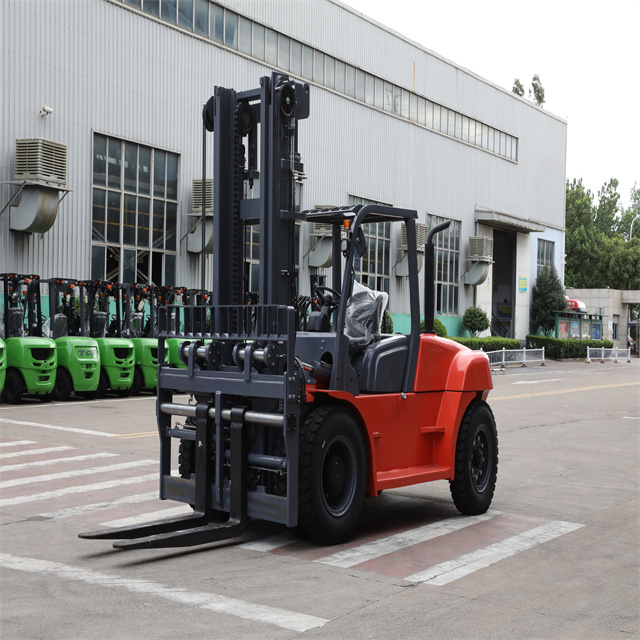
JinChengYu FORKLIFT focuses on giving diesel forklifts for factory and store warehouses. Their forklifts offer:
- Big load skill fit for hard jobs
- Strong motors that hold work in long turns
- Safety-first parts like firm frames, easy grips, and sight boosts
Firms and drivers gain from the gear’s trust. They also get tech help. This makes JinChengYu FORKLIFT a solid pick for warehouses that put safety and speed first.
Conclusion
Diesel forklift safety matters for a good and safe warehouse space. By following before-run checks, driver lessons, safe drive ways, and set upkeep habits, warehouses can cut accident risks a lot. Adding risk knowledge, bad time ready, and gear trust makes sure diesel forklifts stay useful for moving goods. It also keeps people safe. Picking a solid giver, like JinChengYu FORKLIFT, gives strong, good-work gear. And it backs safety rules in all jobs.
FAQs About Diesel Forklift Safety
Q: How often should forklift operators receive training?
A: Operators should finish first papers and join update sessions at least once a year. Regular practice helps keep safety in mind.
Q: What are the most common causes of forklift accidents?
A: Crashes, wrong load moving, and people on foot meets rank high as causes. Space risks add a lot too.
Q: Can proper maintenance prevent accidents?
A: Yes. Normal checks, liquid looks, and quick fixes stop part fails that could cause events.
Q: Are diesel forklifts safe for indoor use?
A: When air flow is good and running follows safety rules, diesel forklifts fit inside jobs. Enough air move and smoke handle are key.